
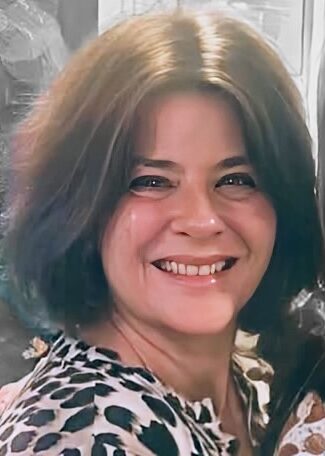
Journaling for mental health is a practical tool for increasing self-awareness, emotional clarity, and intentional living. Rather than focusing on fixing problems, journaling helps individuals slow down, recognize patterns, and understand their internal responses to stress, responsibility, and overwhelm.
In this episode of Give A Heck, Michele Novack shares how journaling became a foundational practice for improving emotional awareness and mental health. Through reflection rather than reaction, journaling created space for clarity, boundaries, and more intentional decision-making, especially for empaths, leaders, and entrepreneurs navigating constant pressure.
Episode Overview
What if the simple act of writing could help you better understand yourself, process emotions more effectively, and make clearer decisions in life and business?
In this episode of Give A Heck, I sit down with Michele Novack, a cybersecurity leader, entrepreneur, author, and empath who has spent decades navigating high-pressure environments while doing deep inner work. Michele shares how journaling became one of her most trusted tools for self-awareness, emotional clarity, and breaking long-standing mental patterns.
This conversation explores how mindset change actually happens, why self-awareness is foundational to mental health, and how empaths can manage emotional overload without losing their compassion. We also examine fear in entrepreneurship, the role of boundaries in resilience, and why inner clarity directly impacts leadership, decision-making, and purpose-driven living.
This episode bridges personal growth with real-world responsibility, showing how inner work and professional integrity go hand in hand.
Many of the mental clarity and awareness principles Michele Novack discusses are reinforced in this conversation with digital wellbeing expert Colin Corby on digital detox strategies, where practical steps for reclaiming focus and reducing digital overload are explored.
⭐ Key Takeaways
- How journaling supports emotional awareness and mental clarity
- Why self-awareness is the foundation of mindset change and mental health
- How empaths can manage emotional overload without shutting down
- Why boundaries are essential for resilience, leadership, and relationships
- How fear and learned behaviour influence entrepreneurial decisions
- Why mindset discipline supports confident decision-making
- The often-overlooked cybersecurity risks facing small businesses
🧠 Journaling, Mindset, and Self-Awareness
Michele explains how journaling is not about perfection or structure, but about honesty and willingness. She shares how writing helps her:
- Process emotions instead of suppressing them
- Identify recurring thought patterns and beliefs
- Create clarity during uncertainty and overwhelm
- Reprogram subconscious habits shaped by early experiences
- Slow down reactive thinking and increase intentional responses
In this context, journaling becomes a mirror, revealing what is actually happening beneath the surface.
💡 Empathy, Boundaries, and Personal Growth
As an empath, Michele understands how deeply feeling others’ emotions can be both a strength and a burden. In this episode, she unpacks:
- Why empaths absorb emotional energy without realizing it
- How emotional overload impacts confidence and self-worth
- The importance of setting boundaries without guilt
- How empathy can strengthen leadership and parenting
- Why self-love and awareness are essential to breaking generational cycles
Empathy is reframed as a powerful leadership asset when paired with clarity and healthy limits.
🔐 Cybersecurity, Leadership, and Purpose
Michele also shares her journey into cybersecurity and her mission through Cardinals Bytes to educate and protect small business owners.
She explains:
- Common cybersecurity risks small businesses underestimate
- Why fear-based selling creates harm instead of protection
- The emotional toll of real-world cybersecurity crises
- Why education and compassion must come before profit
- How values-based leadership applies in technology and life
This segment highlights how mindset, integrity, and responsibility apply equally to personal growth and business leadership.
🔗 Connect with Michele Novack
🌐 Website: https://www.cardinalsbytes.com
📘 Facebook: https://www.facebook.com/profile.php?id=61571054412796
💼 LinkedIn: https://www.linkedin.com/company/cardinalsbyte/posts/?feedView=all&viewAsMember=true
📬 Connect with Dwight Heck
🌐 Visit my website for resources and coaching: https://giveaheck.com
📘 Facebook (Personal): https://facebook.com/dwight.heck
📺 YouTube: https://youtube.com/@giveaheck
📸 Instagram: https://instagram.com/give.a.heck
🧵 Threads: https://threads.net/@give.a.heck
💼 LinkedIn: https://linkedin.com/in/dwight-heck-65a90150
🎵 TikTok: https://tiktok.com/@giveaheck
🕒 Chapter Summaries
00:00:02 – Introduction to Michele Novack and Her Leadership Journey
Dwight Heck introduces Michele Novack, outlining her background in finance, cybersecurity, authorship, and personal growth focused on mindset and emotional awareness.
00:02:35 – Origin Story and Early Life Challenges
Michele shares how her upbringing and early adversity shaped her emotional patterns, resilience, and drive for self-understanding.
00:05:14 – Education as a Path to Self-Discovery
Discussion on how learning, curiosity, and self-development became tools for breaking cycles and building confidence.
00:09:25 – Journaling as a Tool for Emotional Clarity
Michele explains how journaling helped her process emotions, recognize patterns, and gain clarity during difficult seasons.
00:13:13 – Writing and Embracing Personal Healing
She discusses how writing became part of her healing journey and a way to share insight with others.
00:15:22 – Self-Reflection and Emotional Processing
Exploration of how honest reflection accelerates awareness and emotional regulation.
00:18:23 – Identity Beyond Family Influence
Conversation on separating personal identity from family roles and learned expectations.
00:22:23 – Committing to Mindset Change
Michele explains why intentional commitment over time supports meaningful mental and emotional shifts.
00:24:12 – Mental Health and Intentional Associations
How environment, relationships, and daily inputs influence mindset and emotional health.
00:27:06 – Masks, Authenticity, and Fear of Judgment
A discussion on vulnerability, authenticity, and releasing the need for external validation.
00:29:08 – Brain Programming and Learned Behaviour
Insight into how subconscious patterns form and how awareness allows reprogramming.
00:31:45 – Intentional Living Through Awareness
Practical discussion on habits that support intentional thinking and decision-making.
00:34:50 – Willingness as the Gateway to Change
Why willingness matters more than perfection in personal growth.
00:35:18 – Fear in Entrepreneurship
Exploration of fear-based decisions and how clarity builds confidence in business.
00:39:56 – Managing Fear and Emotional Energy
Strategies for staying grounded while navigating uncertainty.
00:42:56 – Professional Mental Health Support
An open discussion on therapy, support systems, and reducing stigma.
00:45:27 – Healing Through Therapy and Reflection
Why inner work and professional support often work best together.
00:47:14 – Navigating Life as an Empath
The blessings and challenges of deep emotional sensitivity.
00:49:12 – Empathy in Parenting and Leadership
How empathy shapes relationships and leadership presence.
00:54:33 – Building Resilience Through Boundaries
Practical strategies for protecting emotional energy.
00:56:31 – Emotional Overload and Awareness
Recognizing early signs of burnout.
00:59:03 – Developing Self-Awareness and Boundaries
Why awareness precedes lasting change.
01:01:11 – Breaking Cycles and Cultivating Self-Love
Ending generational patterns through conscious choice.
01:03:44 – Entering Cybersecurity and Technology
Michele’s path into cybersecurity leadership.
01:07:20 – Cybersecurity Challenges for Small Businesses
Common risks and misconceptions entrepreneurs face.
01:09:42 – Education Over Fear
Why Michele focuses on empowering businesses through knowledge.
01:14:29 – A Real-Life Cybersecurity Crisis
Lessons learned from a high-impact situation.
01:16:01 – Compassion Over Profit
Values-based leadership in business.
01:19:03 – Mindset, Faith, and Resilience
How inner strength sustains endurance and growth.
01:20:52 – Continuing the Conversation
How listeners can connect and learn more.
01:23:21 – Living Life on Purpose
Final reflections on intentional living.
✨ Final Reflection
Mindset does not shift because we decide to think differently.
It shifts when we become aware of the patterns that have been quietly shaping our thoughts, decisions, and reactions for years.
This conversation with Michele Novack is a reminder that true growth begins with humility. The willingness to slow down, reflect, and invite God into the places we have been avoiding. Journaling, in this sense, is not just a personal development tool. It becomes an act of stewardship. A way of examining the heart, renewing the mind, and bringing what is hidden into the light.
For empaths, leaders, and entrepreneurs, inner work is not optional. When emotions are left unchecked, they influence how we lead, how we love, and how we make decisions. When fear goes unexamined, it quietly replaces faith. But when we choose self-awareness, set healthy boundaries, and surrender control instead of clinging to it, resilience is built from the inside out.
Scripture reminds us to be transformed by the renewing of our minds. That renewal does not happen through effort alone. It happens through honesty, reflection, and trusting God enough to let Him reshape what we have been carrying.
This episode is an invitation to stop living on autopilot, to release what was never yours to carry, and to align your inner life with the purpose God has placed on your heart.
Because lasting change does not start with fixing your circumstances.
It starts with faith, awareness, and the courage to look inward.
Apple Podcast:
Spotify Podcast:
YouTube(watch and listen):
Companion Episode(Click guest name to access show):
Many of the mental clarity and awareness principles Michele Novack discusses are reinforced in this conversation with digital wellbeing expert Colin Corby on digital detox strategies, where practical steps for reclaiming focus and reducing digital overload are explored.
Full Unedited Transcript:
00:00:02 – Speaker A
Welcome back to Give A Heck podcast. I’m your host, Dwight Heck, here to help you live life on purpose and not by accident. Each week we dive into real stories, raw truths, and powerful conversations that challenge you to give a heck about your life and the lives of others. Today’s guest is a leader whose work bridges mindset, resilience and real world impact in an area that affects every business owner, whether they realize it or not. Michele Novak has spent more than 30 years building her career in leadership across the financial sector and cybersecurity. She is the founder of Cardinals Bites, a cybersecurity risk management company that helps small businesses understand compliance clearly and practically without overwhelming legal or or technical jargon. Michele’s story is also one of personal transformation. Through faith and intentional mindset shifts and determination, she has built a life rooted in gratitude, abundance and service. She is the author of Shifting your mindset to 21 days of abundance and Overcoming the Fear of Entrepreneur and solopreneurship, where she explores the inner work required to move beyond fear and and step into growth. As a mother, mentor and business owner, Michele is known for sharing resources, freely, connecting people to the right support, and empowering others to move forward with confidence. Her belief in collective growth and living fully, not just surviving, is woven into everything she does. In today’s conversation, we’ll explore Michele’s journey, the mindset shifts that shaped her path and the realities of a small business face in an increasingly complex digital world. Michele, welcome to Give A Heck podcast. Thanks so much for coming on and green to share some of your life journey.
00:02:07 – Speaker B
Thanks Dwight. I appreciate the opportunity today.
00:02:11 – Speaker A
Yeah, I’m looking, I’m looking forward to it. As the list, as the listeners or viewers on YouTube of my show know, I love, I love being able to get connected with people and talk to them and find out about their origins. So one of the things we’re going to start off with is your origin story. So you know, most people don’t realize how much our origin actually shapes us. They, they shut out and say that’s in the past. It’s not indicative of where I’m going. And actually it is indicative because it molded you in every way, shape or form, good, bad or indifferent. And it’s important that we understand that what little Michele did, what little Michele decided, might have been the exciting thing that changed for her in middle school, high school, college, university. Maybe it was just a school of hard knocks. All of it is learned experiences that help us grow in our own lives. So please do me a favor Share your origin story and some of your earliest recollections as mentioned and how those experiences shaped the woman, the leader and entrepreneur that you are today.
00:03:21 – Speaker B
Yeah, absolutely. So, you know, when we go back to origins, it’s probably started when I was a kid, right? I was always that sparky little kid. I remember growing up, I grew up in a very traumatic, if you would, environment, right. My father was a Vietnam vet. He was very physical with us as children and it was always demanding, right. We couldn’t do anything, right. And that really shaped how he looked at the world and what I saw, right, my mother was, you know, the stay at home mom at that point, right. And then, you know, they went through a divorce and it just created more chaos in my world as I grew up. You know, it led me down to things and paths that probably most wouldn’t even believe if I shared it. But, you know, who is little Michele, right? I started off as a beauty pageant person and the early 70s, right. And then I migrated into going through school and meeting friends and hanging out with the wrong group of people. As I grew up in the hip hop world, right, in the early 80s and experienced all of that for what it was worth, you know, got involved in things I probably shouldn’t have been involved in and, you know, just lived through it, right. But never really knew myself, you know, as anybody out there. I was just trying to prove myself. I was very aggressive with people, very direct. You know, I was of known as the bully, I think, in school, right. And I’ll be honest with you. And it’s, it’s. I look back at it now and I laugh, but it wasn’t a laughable event. You know, Dwight, really how, how you grow up and your surroundings is so important to who you are. And peeling that back and trying to figure out why, if you would, it’s critical to surviving in life, right? Like I’ve navigated a perfect storm throughout my entire life. You know, the high stress career, the struggles, you know, the scarcity mindset, like anything you can imagine, you know, toxic and abusive relationships, marriages, you know, health issues. But if I go back to my origins again, it all started when I was a kid. It started from what I was taught. Like I didn’t have that mentor in my life. I didn’t have the support. I was the first person to go to school in my family and go to college, right. And put myself through it. Nobody paid for it. I didn’t have that silver spoon in my mouth. I had to do it myself and figure it out, right? Because I saw something in me. And I will say this. I remember when I was 16, I’m in high school and I was hanging out in the hallways in high school because that’s probably where I like to spend most of my time. And it wasn’t because I wasn’t intelligent, it’s just what I did, right? And I was in the hallway with one of my best friends and the principal walked up to us and he was like, aren’t you supposed to be in class? And we looked at him and you know, we were like, yeah, whatever. You know what I mean? We had that attitude back then. And he turned around and he looked at both of us, he goes, you know, my suggestion for both of you is to drop out and go to hair cutting school. True story. And you know, even when I talked to my friend Maria to this day, I said, you remember when so and so, I don’t want to say his name, walked up to us and told us to drop out and go to haircutting school. And she, we, we always get a giggle about it. But you know, back then that’s just what it was. But you know, I did wind up dropp out and what I did is instead of dropping out and just going to work, even though I worked, I said, this is it, like I’ve got to do something with my life. And I went and I joined college, right? Went into college classes, earned my GED through that and then continued on to college, right? Studying, you know, studying political science, working into law, pre law, so on, so forth. You know, it’s been an adventure, you know, it’s Dwight, it’s not. I mean, I look back now, I’ve written, I’ve written most of my life down in a journal. Every time I’ve had a substantial event that’s affect me emotionally, negatively, whatever it might be, I write in this journal. I have to tell you, I mean I originally went, you know, like obviously when you had computers back in the day, it was. Everything was on a floppy or a desk converted that over obviously as we move into technology. And I still could continuing to write in that journal today every time I’m feeling overwhelmed, you know, whatever it might be, right? Like we’re going. I go through a lot. I’m human, you know, and I think a lot of people forget to be human in their own lives. And the one thing I have really honed in on was finding me, right? Navigating that complex journey to recovery, right? Learning how to advocate for my own health myself, right? Healing from that trauma and then finally choosing to live my life with intention rather than reaction and chaos, you know, around me. And if that meant cutting people out and saying goodbye or whatever it might be. But I’m still here to share that messy, honest reality, I guess, of what it looks like to reclaim your life when the world feels like it’s falling apart. And it does fall apart quite often, right? Like that’s just what it is.
00:09:07 – Speaker A
So is I want to interject here. So you mentioned two things. One of them journaling. I know a lot of people don’t realize that journaling is, is, they’ll think it’s tedious. But journaling itself, though, has helped you have discovery, correct? So what would you say to people that are listening or watching that, that about journaling and why it is so helpful to help you. And then I want you to also share that about associations. Did you realize through journaling that this association, whether it’s what you listen to watch or who you associate with, wasn’t good for you? So what, Go more deep into journaling if you can, and how it’s helped you with your life.
00:09:55 – Speaker B
Yeah, absolutely. So I’m going to start off with journaling. Helped me write my book, right? Like after I’ve been journaling, journaling for so many years, what it helped me do is identify that I, I, I needed more in life, right? It helped me identify and put, put down all the past pain, memories, everything that I’ve ever struggled with and look at it and say, what caused this?
00:10:19 – Speaker A
Right?
00:10:20 – Speaker B
Like, why am I the way I am? Why do I react to things? Why? Why? Who am I? And that journaling was so fundamental because it was just free forming. There’s nobody there to judge you. There’s nobody, you know, you’re talking your life like, and it goes so deep. Like you go so deep when you journal people. People must have to realize that what it’s done for me has been fundamental, right? It’s allowed me to let things go, release the hurt, release the pain, release the anxiety, release so many things that I felt that were a burden on my life. And when I put it on that paper right? Now, for anybody who journals, when you put something down on that paper, it’s. You could breathe and that’s the best way I can explain it, right? Like, you breathe again, you say, okay, here’s the shitty thing that is making me feel sad today. And I’m gonna write it down, I’m gonna write that down and I’m gonna just share it. Like, I’m gonna get it out of my system. And then I’m gonna look at that and I’m gonna say, why? What’s causing that? Like, what’s the behind. Is it something that I need to address emotionally from something years ago? And what do I need to learn? A different way to look at it and reflect on myself first? Like, what part of me took part of that that caused it? Like. And I think that was critical for me to understand the role I played in a lot of these things that happen. Right. Whether it be by the way I chose to engage or not engage in it. And I could have had a different outcome. Right. But identifying that and learning from it and understanding it I think was critical. And that’s why journaling is so important, right? Like, when you say associated, and I want you to clarify what you’re asking me there, but from what I took from that question is it’s helped me associate all my behaviors and each of those behaviors and what drives those behaviors and how I can change those behaviors. Because the one thing that I have learned is by journaling is you can change anything you want. And in any given day. I read a book, right, A long time ago, and I still refer back to that book. You have 24 Hours in a Day was written in 1938. And I always. When I go down the rabbit hole of my own life, I always refer back to that book because it’s so fundamentally true that you can change your predictive future at any moment. You’re not trapped. You’re only trapped in your mind. And that would lead. That’s what led me to write that book. Like, my writing. That first book shift in your mindset was about me releasing the entire weight of the world off my shoulders. And I didn’t put it out there. I don’t even know if anybody’s ever looked at it, read it, bought it, I could care less. It was for me. It was for me and me only. And I needed to do that. I wanted to put it all out there. And if I could help one person, which I know you and I align on that, if you can have one person and you can help them, then that’s okay. Like, that’s. I did my job.
00:13:54 – Speaker A
So since you brought up your book, unless there’s some things, there might be some stuff you still want to share about your origin, but the conversations now float into your book. If you are. If you wanted to share some more things about your origin, let’s do that. If not, let’s flow into your book. I have a bunch of Great questions I’d like to ask you about your book. So if you’re done with your origin, let’s dive into your book, if you wouldn’t mind. So when I start, When I started writing my own book, I found it to be very cathartic, you know, and you talked about journaling, and I’m going to pivot a little bit back to your journaling conversation. I think journaling teaches us, when we journal, it helps expose the lies we’ve told ourselves, too, or the lies that others have taught us. And it makes it so that it’s four front and center in our lives that we have to now either one, ignore it or challenge it. Face it, Move forward, right? To continue to move. So for me, I was always a person. I was never the type of person that I went in and out of, whatever people want to call it, diary, journal, since I was very young. I still have some of mine from when I was like a teenager. And then I got to a point as technology came about, I don’t journal the same way I bullet point. So something might come into my mind. And I have an open notepad on onenote. It’s on my phone, it’s on my computer. I did it for podcasts. I’ve done it for many, many different things. Things will pop into my brain and I’ll think, is that really. Oh, let’s write it down. Then I can look at it later and go, okay, now is that a truth or a lie? Or is that somewhere in between? Am I stuck? Do I need to do more thought about it instead of avoiding it like most people do, and they push it back in their mindset? So my book, I found it very cathartic. It kicked me in the pants, it patted me on the back, made me cry, made me laugh, right? There was lots of different introspective things that I looked at. How was it for you? Did it slow you down to make you appreciate both the good, bad and different? What was it like for you to write your books?
00:16:17 – Speaker B
It taught me that no one is going to give you a purposeful life, right? Like, no one’s going to give me anything. I’m on my own. And that’s what it taught me, right? Like, if I want it, I have to demand it in my own life. I have to respect myself. I have to love myself. And my book was dedicated to my therapist, Lynn, at the time, because she really helped me understand that first and foremost, that I gotta love myself. I didn’t love myself all those years. I put everybody Else first. I’m a giver, right? Like, I would give, give, give, give to my own detriment, right? You know, it. It was. I was waking up every day trying not to fail them instead of trying to save myself. I want to say, right? And at the end of the day, writing that book, like you said, it is cathartic, but it’s also revolutionized the way I look at people, the way I look at how others treat me, how I treat others, right? And I don’t want to be that person in the room when somebody calls an ant. Excuse my language, you know, but butthole, right? I want to be the person in the room that say, hey, you know what? Thank you. You know, thanks for sharing that story. Thanks for being authentic. Thanks. Thanks for bringing you to the table, right? Like, and not worrying about what other people think. I think writing that book released me, like I said, for so many different things, Was an insult to my entire history of trauma and survival. I’m gonna say that, okay? And the reason why I say that is because what I realized in that book about the mind and how you control what happens and how we are shaped by our parents, right? The number one thing you’re shaped by is your parents, and then your immediate surroundings and you. Your identity becomes their identity of all their failures. And that’s what I learned about writing that book. Like, I had to look at who they were as people. And I love my mother and father, right? Like, but they caused a lot of trauma in my life, and I had to recognize that, and I had to live through that, and I had to experience all those traumas again in order to get through it, right? But I realized that I didn’t need to be them. I needed to be me. And that was the hardest part, part to do. I would look in that mirror and say, who are you? A thousand times. And every time I looked in that damn mirror, I got somebody else. I mean, it was like. And until I really got to, who am I? Like, who am I? Like, what? Who am I? And that was the hardest question I had to ask myself to start to rebuild. And I remember that, you know, succinctly, when I was writing that book, and I kept saying, okay, but who am I And how am I going to help? You know, like, what am I going to do? And. And I wrote, and I chronologically documented the steps I took and the questions I asked myself in my book to uncover more and more and more and more layers. That’s what that book was about. It was about me, kind of peeling back the onion even harder and harder and harder on who I was and what I wanted to be and where I was going and getting rid of the freaking brain frog. Right. Being an advocate for myself and standing up and saying my, my life is real and it’s only going to be as real as I want it to be. I can live in, I think you used a word earlier, plethora of, you know, the insanity, if you would. But I don’t want to live in that world. I don’t want to be in that superficial world anymore. I don’t want to have to smile when I don’t feel happy. I don’t want to, you know, laugh when I don’t feel like laughing. Like, if it’s meant to be, it’s going to happen. And that’s kind of how I looked at it. I know I rambled on.
00:20:29 – Speaker A
No, that’s great. So your, your book would be a, a template for anybody that’s reading it to understand how to get to the root of what’s causing them to be false with themselves, the lies they tell themselves. He talked about even looking in the mirror, who am I? Who am I? Well, I, I learned that many years ago, different things that you can do to utilize with a mirror, looking in it and to do you recognize yourself? Do you acknowledge yourself? Do you like what you see? If you don’t like what you see, what are you acknowledging that and what are you doing? Again, you mentioned a little bit about earlier that you wanted me to be more specific about associations. Well, associations everybody else thinks are people, but it’s not. It’s what we, what we do in our daily lives. What do we read, what do we listen to, what do we watch? Who do we associate with? So if your book talks about, and I coach on this all the time for now going on to my 25th year, about our learned behaviors from our family. And most people still today will say, oh, you’re a lot like your dad or you’re a lot like your mom. And depending on what it is, it’s a badge of honor or it’s a badge of, oh my gosh, I never got rid of what I didn’t like. It can be an awareness, a wake up call. It can be so many different things. So with your book being a template, I hear that it’s going to be something, when I was reading, on the reading about it, it’s going to be a giant wake up call for people because you are willing to be vulnerable and real. Where did it, where did the 21 days come from. Is that something that you realized for yourself or did you, like, talk more about the book? Is there specific things in there that people follow so that you came up with that 21 days, or is that just something that is, you know, particular to you?
00:22:33 – Speaker B
Well, it takes 21 days to commit something to memory, to change. Right?
00:22:37 – Speaker A
Okay.
00:22:39 – Speaker B
So that’s really where the 21 days came out of. You know, it was about shifting your mind. And the only way to do that is to practice something for 21 days, like getting through it, practicing over and over, the chronic depression that, you know, the questions. Keep drilling it into yourself. If you do that, right? Like this book, if you’re willing to do the work. And I think I even wrote that in my forward of my book. This is not for someone who’s not willing to do the work. This is not someone who just wants to pick up a book and read it and not take any action, right? That’s what that book was there for because it’s like my bible at this point. I refer back to that book all the time. And I go through those exercises when we talk about association, right. And I’m glad that you clarified that. Like, I go through those exercises once a week. I’ll pick something out of that book and I’ll practice it again to remind me of where I came from. Right? I structure my day to make sure that I try to remain as positive as possible. Right? There’s a lot of negativity in the world. There’s a lot going on in this world, but I don’t get distracted. I don’t even turn on the news, right? I’ll have somebody say, oh, did you see what’s going on? I’m like, I don’t care. I don’t care. Let it all, you know, it has nothing to do with me. I can’t focus on that. Right? Like, it’s just gonna put you down into a dummy hole. And I don’t want to be in that dummy hole anymore. I lived, you know, many, many years in a dummy hole. But, you know, rock bottom as a foundation, right? The suicide attempts that I went through and crawling out of that depression, it’s no joke, right? Like, you gotta manage that, and you got to manage it in small pieces in order to survive from it, right? The mental flip of being a victim of your associations to being a gatekeeper of your life, I guess, is the way to. To say it, you know, those associations. I listen on YouTube to millionaires, people like yourself, right? Like anybody who’s giving advice on different perspectives on how we live, how we learn and what we contribute and how we contribute to our lives. And that’s very important to me. Right. Because listening to that, you’re always going to learn. I’m a constant learner and I know I mentioned that to you. Like I never stop learning at night. I will turn on Neville Goddard and listen to it in my ear and just listen to how he, his perspective is of the world and what he taught the world. Right. I think he was one of the first people to teach meditation. I don’t know. But like his stories and, you know, manifesting and how we think again, it all comes back to what you tell yourself and what you believe in yourself and what you really want to be. You know, cutting the toxic association, you know, the getting rid of the husband, getting rid of all the people who don’t support me. Trying to build a tribe of people who have like mindedness and people who want to grow and people who care about the things that I care about and the values. That’s hard. It’s hard to find people like that out there. I have a few friends from, you know, 45, 50 years ago, like with, I grew up with, and I’m grateful for that. Like, I’m not met. Not many people have that and I have that. So, you know, they’re my sounding board, right? Like when I have a crazy idea, I ask them. Now I suffer from ADD. I’ll tell you straight out, right? My mind goes 100 million miles and you know, you’ll be talking to me and I’m like, oh, that’s a great idea to do this. Meanwhile, it has nothing to do with anything else. And it’s just the way my mind computes, right? Like it’s constantly programmed to kind of learn and learn. And that’s what our minds are. It’s a computer. I think people forget that. You know, you talk about cyber security and all of this. Our minds are the first computer. Your mind is a computer. You program it the way you want it. And that’s in my book. If you get through that one little thing and you understand what your mind really can do. Yeah. There’s no stopping you. Right? And that’s what, you know, helped me move and continue to grow and continue to put myself out there. You know, I, I said something to you earlier about hiding behind the confidence, right? We all hide behind the confidence and we all wear masks. Depending on who our surroundings are, depending on who we’re in front of, depending on who we’re talking to, especially in public, when you don’t know people. I’m not talking about the people that you are intimate with and people that are in your normal surroundings, they know you. I’m talking about, like, when you’re out there and you’re speaking on a platform or you’re meeting new clients or whatever it might be, you put up that mask because it’s natural, because of the way you grew up. It’s what you were told when you grew up, right? Oh, you’re not good enough. You’re, you know, whatever. You’re stupid. Whatever it is that was said to you when you were a kid that affected you to look at other people that way and have almost that poisonous mindset of, I’m not good enough. Right. What do they think of me and being paranoid about it. You know, I. I’ve been to conferences, some conferences, and I watch people on stage, and I always watch their body language like you do, and I look at their eyes and, you know, blinking will tell you a lot about people, right? How many times they blink and whether they’re nervous, lying, whatever, right. It reveals a lot about people and about who they are. And I watch that when I speak to people, especially those that I don’t know. Right. Because it kind of helps me understand who they are and how to approach them. But again, it goes back to your mindset, right? Those masks that we wear, it’s hard to pull down that mask. People are afraid. And the world that we live in today, everything is about judgment. Everything is about people looking at you and passing judgment against you. And, you know, you got to just say, who gives a excuse? My language.
00:28:55 – Speaker A
You don’t have to excuse yourself.
00:28:57 – Speaker B
You know, who cares? I don’t care. There’s gonna be people that are going to like me, and there’s going to be something to say, oh, she’s full of. And I don’t like her, and blah, blah, blah. And that’s okay. I’m gonna have to get through it. But the fact of the matter is, unless you walked one day in my shoes, you don’t know what I’ve been through.
00:29:18 – Speaker A
Of course. But, you know, I’m gonna dial it back a little bit into what you were just discussing. And I say this to people all the time and about our brain. Like you said, it’s the first computer. But one thing that people don’t realize, obviously, my listeners of the last couple hundred episodes have heard me talk about it a lot. But our brain being a giant computer, we program it with the truths or lies that it believes, and it starts dialing back to that learned behavior you’ve brought up. And we’ve been discussing learned behavior. Our computer programming gets locked in at a very young age, seven to eight years of age. Our brain picks up conversations. Our parents, our friends, our aunts and uncles. If we’re in extracurricular activities and we’re at soccer, baseball, cheerleading, dance, whatever the case may be we’re hearing, and then we go to school. So then we got learned behavior that’s coming at us from our home environment, from our school environment, from our extracurricular activities, to when we become young adults. And it just keeps on getting worse. So all of this tells me again, it’s important for us to be realizing that we program our brain. Our brain doesn’t know the opinion that we don’t like this political party, we don’t like this specific celebrity, we don’t like this person that we’ve only heard talk on stage a couple times because somebody in our group says that person sucks. But there. So then we program that in as our reality. So when we see that person at another conference or another business meeting or on a call, we think jerk. And really we don’t know anything about them. So people listening or watching. Your brain is a giant computer. As, as Michele was saying, and I’m adding, it does not know the difference between a truth and a lie. Everything that you believe today is something that you’ve allowed program into your brain. You’ve allowed for it to stay as a running program, right? Or a triggered program to based on your circumstances or challenges that you’re going through, whether it’s good, bad, or indifferent, all of a sudden that program runs and that program runs and it can be stuck in an emotional state that that memory was created in. And if that emotional state is not analyzed and said, hey, why do I feel that way about this person or this circumstance? And you don’t rewire your brain. You’re stuck on a hamster wheel. And those listening or watching, if you enjoy being on the hamster wheel of life, I’m not here to judge you. This podcast is for people that want to live a life on purpose and not by accident, to live with intent to understand. They can reprogram yourself. And an old dog can learn new tricks, you can learn new stuff till the day you die. It’s society that’s told you, oh, you’re, you’re irrelevant now. You’re at this age. Sit back, enjoy being retired, kick your feet up, eat your ding dongs. Your, you know, your Twinkies or to your chips and drink tons of pop, watch tv, get overweight, get unhealthy, stop growing. What kind of life is that? And I have people that listen and watch my show that are in the 70s. Do you think those people want to change? I think they do. Right. If they’re listening to my show or they’re listening to our conversation right now, they believe there’s more to life. And why do I tell people that? Don’t be stuck. Your brain can be reprogrammed. You can all of a sudden have a new, new not chapter. I get tired of people saying I’m starting a new chapter in my life. No, because then that involves you being in the same story. You’re starting a new story, a new book of your life. Right. Chapter one. Michele does this, this, this and that. Michele shares a little bit about her origin because she wants people to tie it into that. But she doesn’t want that to be an anchor. She wants to be a stepping stone for you. Right? For herself to move forward. So out of all of this, people realize you’re never. You’re never too late to give a heck. You’re never too late to stop adjusting your trajectory. And you mentioned earlier to dealing with the willing. I talk about all the time. You and I have a lot of commonalities. I say to my clients today, or if I’m coaching somebody, are you willing? Why are you here? Well, my spouse wanted this. My, you know, my significant other wanted this. My boss wanted this. So it may not even be. It could be a financial reason or coming to see me or insurance, or it could just be they need life coaching. Right. And I’ll like, if you’re not willing, you’re wasting a time, precious time that you can’t get back. I can’t get back. So then that association of respecting me and my. What I’ve told my brain as a reality, my program is saying I’m not wasting my time. If you’re not the willing. Right. Read my book, do this, do that, and then reach out to me again. If you reach out to me again, then I know you’re serious. Then we’ll have a conversation. Otherwise, this discovery call. It was nice to meet you. I hope. I wish the best for you, but you don’t sound like you’re convinced that you need change or that you’re willing to put yourself through that difficult recognition or realization that you’re. And I don’t want to say broken, but we all have some brokenness. In us, don’t we? Right. So I appreciate you sharing about your book. We won’t get into too in depth, but if give me a little snapshot before we move on about the overcoming the fear of entrepreneur and solopreneurship, what was the catalyst for that? Did somebody say, hey Michele, you should write this book or did you just have a aha moment that you thought, you know what, I need to reach out to those people that are stuck to move forward if they want to be that entrepreneur.
00:35:18 – Speaker B
Yeah. So that book was strictly based on my own experiences. Right. And it was written for the fact that there are so many people out there that I speak to, that I’ve spoken to along my journey with entrepreneur and they have no idea where to begin. And again, it’s about your mindset in entrepreneurship. Right. Overcoming. So I want to go back to the brain again. Right?
00:35:40 – Speaker A
Sure.
00:35:41 – Speaker B
That brain that we have, that we call our brain is nothing more than a code.
00:35:49 – Speaker A
Right.
00:35:50 – Speaker B
And you get to write the code in that brain. You’re either going to write the lies like you said, the truth, and then you’re going to write the program and conversation you want. And that was why I wrote overcoming your fears. Right. Because I think what I realized from starting my own business and all those struggles that I had to go through and all of the anxieties and the self doubt sitting on my couch, am I doing the right thing? Am I, did I take a leap of faith here and am I off the rails? Like that’s really why I wrote that book. It was like, do I trust myself enough to do this? And even after all the work that I’ve done, you will always come back to that because your brain will always want to go back to the abuse and the gaslighting like viruses. Right. You know, you aren’t sick, you’re just lazy. You know, you can’t survive without this job. Right. Like, of course that’s, you know, your brain, you know, we, we identify our lives with our identity. And that’s what I learned by writing that book.
00:36:59 – Speaker A
Right.
00:36:59 – Speaker B
I had an identity for 30 years in the corporate world and then things shifted and I had to figure out my next steps. And at the end of the day, the next steps was I’m never going to work for somebody again, never going to deal with that crap. I’ve done it, did it, don’t want to ever do it. But now how do I do my own? Right. It was draining my battery day after day, causing my hardware to go and fail. That’s what I like to say, you know, and then, you know, I had to, you know, and I’m always going to use the cyber security terms. The truth is, you know, the antivirus just was not working. It wasn’t blocking out the crap. Okay. It was. Hit me with all kinds of things, you know, in the realization that I was depressed, right? I had to face that again, right? Like you have to start your journey over where it is at that point in life. Memories of memories. You can change the past. And I know that’s so cliche, but you really can’t change what happened to you. And so many people go through that mind loop. And I can’t say I haven’t done it myself. Oh, my God. Especially when my marriage was failing. Am I doing the right thing? I could have tried hard. Blah, blah, blah, blah, blah.
00:38:05 – Speaker A
But it can come back again too, though, like, even when we addressed it, I. I’ve gone through, even at my age, many times, things that I realized were pro. All programming being executed again. And me, I have to admit it, it’s harsh on myself admitting that I’m letting it run again. And then I’ve slipped back into a depression or I’m slipping into anxiety because I’m fearful of both the future and the past. Knowing I can’t change the past doesn’t make it any easier. But acknowledgement that I’ve gotten myself into this valley to spare again and I’m willing to get out of it, we just know how to do it quicker as we get older. Wouldn’t you agree?
00:38:46 – Speaker B
Yeah, I would agree with that. You know, it’s funny that you say that because, like, you know my book with fear, right? Like that book was fear driven. And I wanted to share. And that’s why I think I put that in there. Overcoming your fear, right? Because as a society, we’re fear driven, like you said earlier, right? You’re listening to this, you’re listening to that. You’re watching tv. Oh my God, the world is dropping. The world is dying. You know, like, you hear all these things in your. Your brain is again, just. It doesn’t know what’s real or what’s not real, right? And I did this exercise with a few people, right? Imagine you’re in a river. You’re going down this river, and all of a sudden a tidal wave is coming behind you. You can picture it in your head and you start getting these images because that’s how good your brain works. And then the question is, is do you believe it, right? Do you tell your brain that you actually Believe that, right? So that’s with fear for me, right? Like telling your brain what you need to know is critical because it doesn’t know, like you said, the difference between what is real and what is not real. And that’s in my book, right? It has no idea. The brain is a quantum computer. I’m even going to go a step further, right? What’s quantum? Quantum is the infinite possibilities, thousands and thousands. Picture your mind, right, Being a quantum computer, and it’s sending out rays in thousands and thousands of different directions. And you got to choose one of those on where you want to go with your life, and each one of those you can make happen. It’s just a matter of making those decisions. And that’s what we do every day, right? Like, even when you’re deciding on what food to eat at night, you’re doing that every day with your brain. So it’s interesting because you can’t get stuck in holding on to the truth or a lie. You just got to kind of sit back and say, okay, am I a victim or am I not a victim? What’s real about this and what’s not real about this? What am I telling myself and what am I not telling myself, right? You know, I want to say the yak. Like a decoherence, right? Like almost, you know, in quantum physics. Physics, decoherence is when the outside environment, the noise, the stress, the abuse, crashes the quantum state and forces it into, like a negative classic state. And you got to get through that, right? All of the noise. I tell everybody the noise. Shut the noise out. You know, Steve Job, I listened to one of his interviews, and I was so fascinated by what he said. One of the things he says is that he has 90% of his time focuses on building his business, and the other 10 is left for noise, right? I think he called it signal and noise, if I. If I recollect correctly, and I found that fascinating because he would not allow those distractions to deter him from where he wanted to go. And he understood how the mind worked, right? So I find it critical to again, learn if you’re stuck, if you don’t know where to begin, if you’re saying, this is nonsense and, you know, I’m depressed, that’s a victim, that you’re being a mentality and you’re trapping yourself. Get through it. Don’t be afraid. Do not be afraid. Because again, when you live in a hostile home or a work environment or whatever it might be, those associations crash your programming into a permanent state of fear. And the Only way to get through that is to isolate yourself and find yourself and start to love yourself and forgive yourself, tell everybody, forgive. I had to forgive myself for a lot of things and it’s not easy. And you had to forgive others for a lot of shitty things they did.
00:42:53 – Speaker A
Sometimes though. Well, I’m going to interject though, Sue. Sometimes though, like everything you’re talking about or anything, I coach with people. It’s okay to look for guidance, right? Mental health is so important. So sometimes if you can’t tell the difference, journaling, writing things down, having conversations with your current associations which most likely won’t get you out of where you’re at because they’re either feeding and keeping you where you’re at or they’re just patting you on the back and saying, oh, it’ll be okay. They’re not giving you any construction destructive information. So going to a mental health workers, going to a psychologist, psychiatrist, finding somebody that you can communicate with about your strife, your tribal tribulations and your trials in life can help you reset. I’ve done it. I continue to do it when I need it. I don’t find anything wrong with it. I think personally in society today, it would be so nice of our governments would allow people access to free counseling once a month. Even you know, if it’s initial, maybe they get it once a week until they get to a point where they’re, they’re able to just need maintenance. Just like we go in and we get. And we might go to massage or physiotherapy or you know, aqua therapy or whatever, yoga, we do it. Meditation. What are we doing? We’re working on ourselves. But sometimes people need a leg up. So don’t be afraid those listening or watching to seek help, right? To admit to yourself, you know what, I’m strong but my programming is stronger right now. So I need somebody to call me out on stuff. And sometimes you can have a great friend or a life coach like myself or you where we can say and get you to that point because you’re not that far. But I am not a psychologist, I’m not a mental health worker. I communicate based on my programming. Again, what I’ve utilized, what’s helped me and Michele and I can, you know, we have information her books, my book that’ll help you change. But don’t be afraid to say, hey, I’m the willing but I’m so stuck that this conversation makes and reminds me that I need help but I don’t know what the next step is. And I’m telling you it’s okay, those listening or watching to go out and seek professional help, right. Have that conversation with somebody. It’s done a world of difference for me.
00:45:27 – Speaker B
Yeah. You know, Dwight, I mean, I’m going to second that motion because again, I’ve seeked professional help for a long, long time.
00:45:36 – Speaker A
Right.
00:45:36 – Speaker B
To get me through a lot of the. The down points in my life, to help me refocus, to help me respect myself and value myself. And, you know, you need it. And whether, again, it be professional or someone that you can really rely on that can hold you accountable and be there for you, but it’s also. I always find it good to get an outside perspective because the people that are closest to you are used to you, and that’s, you know, they’ll tell you the truth in some respect, but an outside perspective is looking at it from a lens that they don’t know you. And clinically, they. They’re able to give you tools to help you get. Get through it. And I had to learn those tools. All of this wasn’t because, oh, I just woke up one day and said, oh, I’m going to be a guru in my life and I’m gonna write a book. And I had to go through, you know, a lot of peeling back layers and onions with the therapists in order to even get this far. And, you know, the journaling and everything that I’ve done, that continues to help me because I learned a tool. I learned how to look at it differently. I learned how to not play, be the victim in my own life. Right. And be the victor. Right. But it takes time. I learned how to identify the noise that was holding me back and distracting me and crashing my mental program. Right. I learned how to get rid of people that are toxic.
00:47:12 – Speaker A
Your associations of people.
00:47:14 – Speaker B
Yeah, yeah. And that is, you know, we, again, the people we surround ourselves with, believe they bring you up or pull you down. And especially for someone like me, who’s an empath. Right. Like, I pick up on people’s energy, and I always want to help somebody because I. I know what it feels like to be an underdog because I grew up that way. Right. So it’s a mental conditioning. Right. For me, Right. When you grow up as not having everything, and then you. You want to give to those that you can identify with immediately. Like the person on the street standing with that sign. Right. My husband would fight with me, why are you giving them money? I’m like, you know, why? Because you never know. And that person’s struggling, too. And They’re a person. Right. But I’m that type of person. Right. Like. And whether it’s good, bad, or indifferent, some of it has been to my detriment, but some of it hasn’t, and it’s rewarding inside. So I. I’ve learned to understand the difference between that, you know, and. It’s hard to say no, but it’s even harder to say yes sometimes.
00:48:21 – Speaker A
Oh, but being an empath is a difficult journey because I’m one myself, and I’ve been. I’ve actually had two. I’ve had a couple different empath coaches on my show. One of them has become a real good friend of mine. I met her at a conference, and she’s just. She’s just an amazing individual. And she’s the one that. This was probably five years ago now where I was there. I was at an event, speaking on stage. And after the event, she come over to me, and we’d become friends online on some of our conference calls and stuff, not in my industry. And she says, you know, the more and more I hear you, and now after you just spoke on stage, you’re an empath. She says, we got about 40 minutes here before our next. Do you want to sit and talk? So we. We were in this auditorium, and so I can’t remember the name of the college university in Salt Lake. And she. We went up, and it was kind of slanted seats, and we sat down beside one another, and she just started asking me questions. She says, oh, my gosh. She says, no wonder you struggled as a single dad raising four daughters and a son. You’re an empath. You’re picking up everybody, what they’re putting down, and you don’t know how to process it all. And it’s eating you, eating away at you, because you don’t have a strong. Your core isn’t strong enough in your belief of you. I’m here to tell you, this is what I hear, this is what I see over the last couple years. And she had already been on my show, Right. So it was. It was really like your commonalities between you and I is phenomenal. You realize you. Because I know you don’t know a lot about me. For over 10 years, I ran a computer consulting firm. I was GX certified as a global Internet security specialist. I did. Built firewalls. I did all that cybersecurity way back then.
00:50:01 – Speaker B
Interesting.
00:50:03 – Speaker A
I did that for a long, long time. Yes, I did. Consulting company. And I also had a retail computer store, so I was actually the first certified Builder in my province and to actually, actually build certified computers for hospitals and government back in the day because they had to be certified in order for them to be in those intrinsic environments. Right. Because of shock. Yeah. Well, I worked. I went to school for electronics engineering at a technical college here. So, yeah, we have a lot of similarities. I really do understand a computer role. I may have been out of it for 24, 25 years, but I still get converse. Have people wanting to have conversations about it because I think about it different, differently than others. Right. So I just do so just wanted to let you know we have two more commonalities. I worked in the IT industry for a long, long time. Respected a lot. Don’t miss it because of. Not because it’s not challenging and interesting. I don’t miss all the dumb conversations with people about it, to be honest with you. And, and the stress of bringing in consultants into these corporations or government entities like them and to. And police. I did work for. I did work for the province of Alberta and the chief information officer when I was consulting and all this stuff and trying to beat the fact of what we’re talking about. Learn behaviors, what they’ve been taught. They’re not willing to be open enough to understand that. Okay, I get what you’re thinking. Are you willing to change? Or as a consultant, are you just paying my rate and not going to learn or listen or move forward? Right. Minors based on life experiences, just like you. So I, I found that really interesting as we’ve been conversing, how much of our commonality that we have in life and how it’s helped us continue to grow as an empath. I’ve had to learn how to shut that off because I can feel somebody at the door can come. A person could be delivering food or a parcel and I can look at them and go, oh my gosh, I’m doing it again. I can feel. Feel it. This person’s having a crappy day. Maybe their life’s crappy and their body is just exerting all this negative energy. You can feel it. They’re not intentionally doing it, but that doesn’t matter with an empath. We. I still pick up on it. You still pick up on it. I could pick up my daughters when they weren’t adults and they still lived here. They could be up in their room and I could feel it. Right. One could be in the. One could be in the room, one could be up there. And I’m feeling it from all sides trying to make supper because I raised them as an. I got them at one point in time, went from joint custody to full time custody of all of them. And you know, being an empath is draining, but it’s also really fulfilling because we can connect and we can give more once we realize we can’t give too much, but we can give and we can heal. And through that healing, I have found it heals me too. I don’t know if you want to talk more about the empath part of it and how it’s helped you.
00:53:11 – Speaker B
Yeah, you know, listen, so the one. First of all, you just blew my mind. Like, you know, again, I didn’t know your deep background, so it’s amazing. We do have a commonality there. Absolutely. It’s funny how we both have survived through. I’m assuming you’ve had your tumultuous moments, right?
00:53:31 – Speaker A
No. Divorce. Divorce was brutal. A child custody battles, brutal.
00:53:36 – Speaker B
Yeah. So I’m just starting to go through that phase which. Yeah, but I don’t even want to go there. Let’s get back to the empath. Right? Like, I think the one thing that. And I had to learn that I was an empath. I’ll tell you this, what set me off is I was, I went to like this big coaching event. You know, you got up on stage and they coached you. And the coach is a well known coach. He says, why the don’t you stop saving the world? He goes, because that’s all you’re trying to do. Why are you trying to save the world? And he couldn’t understand that I’m an empath. That’s what we do. We want to save somebody, we want to help. We can’t help, but we feel. We feel for people. But what it taught me was, is to take that goodness because it’s a good thing.
00:54:30 – Speaker A
Right?
00:54:31 – Speaker B
And excuse my language, I’m sorry to curse. I should have ad libbed it, but.
00:54:35 – Speaker A
That’S okay, don’t worry.
00:54:36 – Speaker B
It reminded me to take that goodness. Right? The empath. Being an empath is fantastic way to be. I wouldn’t want it any other way. And I’ll tell you why. Because it makes me relate to people and it makes me feel inside and it feels good. Right. But it also, again, like I said, it could be to your detriment. I had to learn how to put up boundaries. Right. And that was the key to being an empath. Right? Like you said, you could feel. You could feel things happen, you know, like with your kids or whatever else. Like you could just see it. Like I’m sitting in a Room and someone I’m watching because I analyze. We’re analyzed. I’m sure you’re an analyzer, like I am, and we watch things and we could see it unfolding and we could see where that root goes. And it’s. It’s like, actually fascinating, right? But why the empath? Like, what can I do to change that? And how I can protect myself is the hardest thing to do, right? It’s the system crash, right? It’s the quantum key to recovery. I’m going to just put it out there. You know, the. For years, the ability for me to feel emotions in others was a vulnerability, right? That allowed that malware to get in the abuse, the hostility environments, you know, whatever else I did, right? Like, I won’t even go there, right? But it allowed it. And, you know, I think it also allowed me to be that victim, right? Because the energy, the energy that I was absorbing, right? It’s all about energy. It’s all about that frequency. It’s all about what you pick up when you. You’re near somebody. Like, I can feel somebody’s energy. And like, I immediately, you know, sometimes I’ll be in a room and I’m like, oh, God, that’s dark. You know, And I say it to myself, and it’s scary. I scare myself. I’m sorry to say it, because it’s almost like. And people don’t understand that if you’re not an empath, right? You know, you. You don’t just see the anger on somebody’s face. You feel that anger, which it put. It can set your whole body into a whole nother world. And I know where. You know, it may sound corny, right? For people who don’t understand that it does. And you know, you.
00:56:55 – Speaker A
You’ve.
00:56:55 – Speaker B
Your brain can’t distinguish between your data, your own peace of mind, and their corrupt data. You know what I’m saying? Like, because again, your brain is processing at milliseconds or less than milliseconds, right? Quantum. And it’s no buffer. You become a buffer over overflow, like with all of this. And your brain just starts going and going, and then you become emotionally overloaded by what they’re experiencing because a part of you wants to save them, right? Like, I’ll give you an instance. My daughter was having a hard time with her weight, right? And I saw the pain, like the pain on her every day caused me to cry almost every night. I wouldn’t share it with her because I was trying to be supportive of her, right? Like, it’s okay you’ll be all right. Let’s do this, let’s do that. You know, she went for the, you know, the whatever, that surgery, but I had to get her through that emotionally. And it was hard for me as an empath to do that because, you know, the part of you just wants to save him, hold him and you know, block out all the pain and you can’t.
00:58:08 – Speaker A
You want to be a fixer, right?
00:58:12 – Speaker B
And you can’t help but not wanting to be the fixer because that’s who we are.
00:58:17 – Speaker A
And then we struggle another way because we can’t and we say, no, we can’t. Like you’re saying. So being, being an empath and wanting to fix things, if you don’t know how to analyze and discover what that’s doing to you, it just keeps on dragging us down more and more and self care of ourselves falls apart.
00:58:37 – Speaker B
Yeah. You know what it is? You feel guilty for the crashes of others. That’s what I keep saying. Yeah, right. Like I feel guilty. I feel guilty. And there’s no reason for me to feel guilty. It’s just again, the sensing of that energy. Right. It’s. I have to recognize that there’s bugs in my own computer.
00:58:58 – Speaker A
Right.
00:58:58 – Speaker B
Like, and you know, but that’s healthy though.
00:59:02 – Speaker A
Awareness is healthy. To be aware of, of our limitations or our old program starting up or us not protecting ourselves with our new programs. Awareness is key. And if you’re not people listening, if you’re not doing it least twice a day, minimum morning and night, you’re failing yourself because you’re not. You’re not going to grow. You’re going to stay stuck on that hamster wheel. And you listening to this is obvious that you want change. So be aware. Like Michele’s saying, you need to be aware.
00:59:33 – Speaker B
Yeah. You know, it’s disentanglement, right. Like that’s what an empath has to do. You have to kind of put up that disentanglement of your toxic people and the things that you have and stop the fear. It all comes back to that, right? You put up an empathic shit shield, if you would. I don’t know, you treat your empathy like, you know, more of a sensory type thing instead of a sponge. And that’s what I’ve had to learn. And I’m still learning that.
00:59:57 – Speaker A
Oh, I don’t think you’ll ever stop. I don’t think it ever stops.
01:00:00 – Speaker B
It’s very hard to turn off. It’s very hard, Dwight.
01:00:04 – Speaker A
I don’t think we ever can, honestly. No, we can Ignore it. I don’t know if it’s shut off though, right? I can ignore it. I don’t know if I can shut it off. If you figure out how to turn that switch perfectly, let me know because some days it’s exhausting and I need a nap.
01:00:21 – Speaker B
I’ll tell you where it’s beneficial though, and where it’s, you know, where I choose to use it in a, In a, in a good way, right? Like it’ll help me to detect the lies early on so I can block a connection before it affects me. Like I’ll say that, right? And it’s a good thing in a way and a bad thing because, you know, you have to decipher between it. But I don’t want to keep downloading other people’s stressors and, you know, and absorbing that anymore. And I had to tell myself that, like, you know, once I understood that I was an empath and I did that again through learning, reading, knowledging. Why? Who am I? Why do we feel this way? Why. Why do I feel like this when I walk into a room? Why do I, you know, this person? Why do I, you know, why am I drawn to them? And toxic people again? I’m drawn to them because of the childhood I grew up with. My father used to physically abuse me. Who did I marry? I married an abuser, right? Like, again, these things and cycle in your life, they affect you. And if you don’t get to the root of where it all started and fix that first and forgive yourself, you’re never going to be able to move forward and figure out the things that you need to do to change that and be okay with it and love yourself. My mantra, live your best life. Yeah, right. Whatever it might be, I don’t care if, Listen, I don’t care if I’m homeless. I don’t care if I have not a dollar in my pocket. The one thing I know that I have and you have is we love ourselves and we have our family that loves us. Right? Like my grandson. I had my first grandson and he’s going to be three this in February. I live vicariously through him. Like that has become. Jumping around on the trampoline, rolling around on the floor, building the tents, playing whatever. I’m teaching him everything. Hide and seek the other day, 20 minutes, hide and seek. Go. You go. Hi, grandma. You go. Hi. Like, I love that kid so much, but it’s just amazing the way he makes my energy feel right. Like, and that’s the benefit of being an empath because you can feel the good things too.
01:02:31 – Speaker A
Oh, of course. So we’re gonna run out of time here. But I want to touch. I want to. Oh, never apologize. I’m not. I’ve enjoyed all of this. We haven’t really talked about your cyber security business and what involved like you get out, you got into cyber security and you’re helping people understand what in your life led you to, led you to that point. And with the people that you’re helping, has your current circumstance understanding you’re an empath, understanding your programming and everything that we. You’ve shared. How does that help you getting into cyber security and helping small businesses through. Because it can be traumatizing depending on what where they’re at. Maybe they’ve already been attacked. Maybe they’ve gone through loss of data. Maybe they’ve gone through the tumultuous pain of having to explain to clients or, you know, what’s going on. Tell us some of that journey of where from where, how your life has progressed and got you into cybersecurity. And tell us more about your company, if you wouldn’t mind.
01:03:43 – Speaker B
Yeah. Well, so let’s start off well, thank you. So let’s start off with my journey. My journey started when I worked for a large corporation in banking. They are probably one of the leaders in tech, right? And they had their own technical institute. I, at the time was an auditor. Compliance, risk governance. That’s what I did. I went out in the field and I was auditing and I did it through my career, building operations and innovations and putting processes in place. That’s who I was. But that company always challenged you to do something different. And I saw the writing on the wall, right. Do I, you know, as technology was starting to get implemented and I’m talking, you know, you’re talking a couple of years ago, seven, eight years ago, I saw the writing on the wall and the changes that were coming and how they, you know, all corporations, you’re going to become a victim sooner or later, right? Nobody. Nobody is safe anymore. Right? You all expendable. You are expendable. And I saw that writing on the wall. With the downsizing, the changing of the department, how am I going to survive this? All I know is this. This is the only skill I’ve worked on and done right for a long time. So it challenged me. I remember sitting down one night and, you know, before I got that pink slip, I said, where the hell am I going to go next, right? I. My time was up. I had to figure it out. I decided to go Back to school, become a cyber engineer. Because I knew technology and you know, I had to write down the skills and say, what do I have? What do I know? What am I going to do? Where am I going to go work? How am I going to survive? We all go through that anxiety and getting ourselves through that, right? And I was older, right? Like, it’s not that easy to get a job out there at my age. You know, you’re up against a lot, reinventing the wheel, they don’t want to pay you. So I decided to focus in on technology and I was already teaching it at the corporation through their tech. I was teaching cybersecurity to programmers, believe it or not. You know, I went to school, became a full stack web developer and web development, so on. So I, I understood the coding and everything, but I got into cyber security because the leader of that particular area was like, I think you would be great training others. Would you, you know, be interested? And again, that wasn’t part of my core job. But thank God he did that for me, right? He did that. And that promulgated me to go back to school, learn, and then start my own business. Like that’s where I’m at today, right? And it was a rough course. I mean, when I tell you, I remember going to school and I probably, there was all. I probably was the oldest person in the room at the time, learning cyber security, learning coding, learning, learning everything that comes with it. I think, you know, this tech stacks, everything, everything that you need to know, networking, this, that deals that, everything. My brain was on fire. Fire. But you know what? I wasn’t giving up. I did it because I wanted it. I wanted it. I knew I wanted to start my own business. I knew cyber security. And there’s so many different aspects of cyber security. That’s just one stack or one, one area you can go into, right? It just depends what you want to learn and what you want to do. I knew I didn’t want to be a pen tester, right? Like sitting there. And I focused on my skills. So my skills are in risk, right? Risk and compliance and cyber security makes sense for me. You know what I’m saying?
01:07:12 – Speaker A
Yeah.
01:07:12 – Speaker B
I mean, it was a total marriage, if you would, of my skill set, but with the cyber security background. So, you know, and it’s funny, like when I meet clients, you’re right, they’re petrified. Why do I need this? Right? I always get well, why do I need this? I’m protected. I have antivirus, you know, you have to, you’ve Been in technology. You, you were a networker. You understand, you know, if your configurations are set up to default, you’re in trouble. Right. And the world today, the regulators are getting smarter and smarter, smarter. Look at all the new regulations that came out last year. My clients are CPAs, accountants, tax professionals and bookkeepers. That’s my clients. Right. And they are highly rated, regulated.
01:07:53 – Speaker A
Right. Well, their data is so sensitive and even with that.
01:07:57 – Speaker B
Right. Like let’s get down to the nitty gritty. Even with that, you know, the IRS passed where they have to now certify their ptin. Right. And that they have to have a risk assessment at minimum and a wisp, you know how many, I want you to take a guess at how many people are probably clicking that button and they don’t have that in place.
01:08:20 – Speaker A
That, how many that don’t have it? Probably 85%.
01:08:23 – Speaker B
Oh yeah, 90. I’m right there with you. About 90%. They’re, they’re all perjuring themselves and I hate to say it that way because I know for a fact, speaking with some of these small businesses who don’t want to use my service, I don’t see the value in it. And I’m not just saying that they’re going to get caught out there when the IRS next year, when you have to go certify, because this was the first year that they did it in 2025, when you have to do it next year, they’re going to probably ask you to upload those documents and if.
01:08:51 – Speaker A
You can’t and then everybody’s going to be scrambling. Right?
01:08:54 – Speaker B
That’s right.
01:08:55 – Speaker A
And then all of a sudden, all of a sudden it’s desperation. Do whatever to fill the holes in my boat. Don’t. We don’t care if it’s done. Perfect. Just fill the hole so we can get by this. So you’ll get those kind of. And those aren’t clients you want. You don’t want clients that are reactionary because then they’re not. There’s no stick to itiveness. They don’t really have an understanding of compliance or risk tolerance. Right. I understand all of that. I was a branch compliance officer too in my industry for just about 10 years. So I understand compliance and risk assessment on both the IT side because I did it for corporations and on the finance side. So yeah, I don’t want people like that, that are reactionary, that go poo poo. Oh, we’ll wait until it becomes an issue. Well, you’re not my tribe. Bye bye. Even if you call me back. It’s going to be, I’m not taking your calls.
01:09:47 – Speaker B
Well, you know, and I’m going to go a step further with that. And I know you’re going to think I’m crazy. Like, I’m on a mission to help all small businesses, even when they don’t want my services or anything else. I help them with free resources because I feel it’s my duty to at least educate them and help them. Right. Because they don’t have a lot of these. I work with businesses that are like 1 to 50. And a lot of them, the one offs, the 1, 2, 3, 4, 5 employees, they don’t have the budgetary for the big ones. They don’t have the infrastructure built to help to protect them. I want to help them. Right. Like, so I take it on my responsibility because I feel that it is important that we educate the community and build that community. And if you do it one client at a time, like my mission is one client at a time time if I can get one client, even if they don’t use my service and teach them what they need to do to protect themselves. Because let’s face it, we’re in a whole new world when it comes to hacking and everything else. And some.
01:10:44 – Speaker A
It changes every. It changes. I was just going to say it’s not even daily. It’s about a second, minute by minute.
01:10:53 – Speaker B
And if I can help educate that, I will. Right? So like even though they don’t need it, it doesn’t matter. You need to understand it because it’s going to put you. The average cost for a small business is about 150,000. If you’ve got ransomware hat you’re not surviving. Right.
01:11:13 – Speaker A
And well, the liability portion of it is just huge. Right. Even in my industry, My industry is so regulated, it will blow people’s minds. Right. And it’s because you’re dealing with people sensitive information. Their data, their lives, their information they’ve given me, especially if you’re somebody like me, that’s an. That dives deep into their origin to build their life before we deal with the numbers. Because if you don’t deal with the initial mindset, nothing sticks. So even if you’re helping people set all this up because it’s reactionary, if you don’t get between their stuff 6 inches between their ears and them understand it, you, you’re making money, but you’re not making change. And I like how you put, you know, when you’re, you’re dealing with all these people and I think about our Empath nature. And I think about you saying you give away information for free because you feel the need to do that. I’m the same way. I will have calls with people that’ll tell me, you know, I’ve got this and this one going on in my life. I don’t know when I going to be able to invest for my future or I’m going to be able to do the insurance stuff. And I’ll say, you know what, it doesn’t matter, let’s just talk. Well, how are you going to make money? I had somebody say this to me a few weeks ago. How do you make money, Dwight? I said, well, I get paid a commission and you don’t do fee for base service where you charge somebody ahead of time. I said no. I decided that 24 years ago that I wasn’t going to do that, that I wanted to have that ability to make an effective change in somebody’s life and it’s not dependent on making the dollar as it always worked. I might sit with seven people and seven people aren’t at the right place. But if I help them, guess what they do. They do two things. They give me referrals and they think of me in the future. Oh, Dwight helped us do this. We had this conversation, didn’t cost us anything. Oh, our lives are better now. We can do some things. Let’s get a hold of Dwight. Right. So I earned the business and the people that can do business with me right away, the person that can’t or the person that can get the same Dwight, if that makes sense, they get the same awareness, the same education, the same compassion, the same consistency. And they get the fact of I respect no matter where they’re at in life. I’m not here to judge anybody because I don’t want to be judged. I just want to listen and help and heal. And if the village mentality is what popped into my mind when you talked about giving things away, the village mentality from hundreds of years ago was what the person that had the most helped people that where he made money or she made money. And then they still helped out the villagers that were suffering. They still give them food, they still give them a job, they still cared. And that’s what’s happened in our society today. We’ve forgotten to care and thank the Lord that you’ve come into my life to share with the fact that you’re somebody that will help no matter what. Because I’m the same way. God brought us together, Michele.
01:14:12 – Speaker B
Oh, I know that. I know that. More than you know that. I think, I think we both know that together. So I’m going to, I’m going to even jump on a little bit further. I just want to share a quick sure, go ahead. Time. I don’t know if we’re over. So two weeks ago I get a call from one of my clients, cpa. She’s just a one person, did her cyber security and everything. Her website was, her husband’s website had a card attack. So if anybody doesn’t know what a card attack is, it’s basically when you offer, you know, like they have a website that they sell products. They had a bot that hit their payment and was throwing, trying to run numbers credit cards because that’s what a card attack is. They try to run credit cards, see which ones are good against them. So this way they can use them to make for purchasing and everything else. But it’s like thousands of thousands. I think by the time she got to me was always they, they were already hit with like 30,000wow payments. So there, you know, we had to shut down everything. She didn’t know what to do. We had to shut, shut down her website. We had to shut down her merchant services. I rebuilt them, a brand new website, didn’t charge them anything. Took me two and a half days, right? Went in there, set them up with the new merchant. But that’s again, you don’t turn your back on people. And again, whether it’s from the way I grew up or just how I feel about things, when people need help, there’s so many people out there that can help and they don’t. And you know what? That’s on them, right? They got to live with themselves at night and go to sleep. I don’t, I never want to feel that way because I know if I can make a difference again. When somebody else’s life, one person, it’s all okay, like that’s the way it should be. And like you said, that village mentality, you have to, you have to, you.
01:15:59 – Speaker A
Can feed off it.
01:16:00 – Speaker B
I’m not saying give away the world. I’m not.
01:16:02 – Speaker A
No, I know, but it’s an energy. It’s an, it’s an energy that we give and we get back and we don’t always get it back. But guess what? You, if you live a life of having the expectation that you should always win, that you’re not going into any sort of conversation or relationship without a win financially, that’s a shallow life. And if those are listening, watching, I hope you realize that I’M not trying to be harsh. I’m trying to make you understand that our society in the world in general, not just Canada and the States, would get along so much better if we just had that social mentality that everybody deserves a shot. Everybody’s human. Some people have more than others. So, like the old. The old rancher that Easter control a lot of the villages in the US And Canada. Right. The rancher employed everybody. He ran the saloon, he ran the general store, or he helped support, finance the person that did all those businesses, the blacksmith. And everybody was a community and the world. And everybody, oh, needed support. And you know what? Once we get back to that level, I don’t think we will in our lifetime. I’m not being negative. I. It’s. I’m a realist as well. But you and I have a shot to continue to help one person at a time. And you helping that person out with their website, congratulations. That is a milestone, that memory that will stick with you and them and the people they tell forever.
01:17:35 – Speaker B
Yeah. And again, you know, we’re very humble. I think you and I are similar. Like, we’re not looking faculty. It’s for doing that. We’re doing it because it’s at the goodness of our hearts, and we know it’s the right thing to do. And I think that’s important. Right. Knowing what the right thing is to do, regardless of the circumstances, is always the first thing that I rely on myself.
01:17:54 – Speaker A
It’s nice to be recognized, though. It’s nice to be recognized.
01:17:58 – Speaker B
Well, yeah, and I guess so. But you know what?
01:18:00 – Speaker A
Right? We can be humble, but it’s nice to have. We can be humble, but it’s nice to have somebody say, hey, we recognize. Recognize you.
01:18:09 – Speaker B
Yeah. Well, that’s part of myself. I still have to work on appreciating that recognition. Right? Like, that’s the. That’s the mental block that you, you know, you got to go through.
01:18:19 – Speaker A
Well, I see you, Michele. I see you. I do. I see you. I see who you are, and I appreciate you. So you will get better. It’s taken me years. I still struggle with it. Even my own children telling me something positive about myself. I kind of feel, like, weird, right? I still have a hard time with people being grateful to me and appreciating the little nuances that I’ve just realized that’s part of who I am. Right. So. Yeah, you’ll get better. I. I appreciate you, though. I see you. That’s what I mean by that. I see you. You’re welcome.
01:18:54 – Speaker B
I know you do. That’s why I shared it. Because it is. It’s. Yeah, it could be a detriment, too. But it’s good. It’s all good.
01:19:02 – Speaker A
Yes. So we’re gonna wrap up the show. I got one last final question for you, if you wouldn’t mind asking if you could leave our listeners, Michele, with one message about mindset, faith and resilience. Something that reminds them it’s always worth giving a heck and never giving up. What that, what would that piece of advice be?
01:19:27 – Speaker B
It’s a good question. And I have to kind of think of.
01:19:30 – Speaker A
That’s fine.
01:19:31 – Speaker B
Yeah, I have to think about it. I probably will say believe in yourself and trusting yourself first. Do the work to really uncover who you are to live your life’s path in your journey. Find out what’s holding you back, release it, let it go, and become the person you’re really meant to be inside of you somewhere. When you were a kid, you saw the world in a different place and you looked at the world differently. Get back to being a kid. Because now that I have my grandson, I can live through him vicariously and it’s given me wonder again. And I think that’s what most adults lose is the wonder of life. And that’s probably be my.
01:20:28 – Speaker A
That’s great, though.
01:20:29 – Speaker B
This wonderful, this wonderful, this wonderful conversation we had today. Right. Being resilient is about endurance and you can endure anything if you have the right mindset. That’s what I say.
01:20:42 – Speaker A
100. Thank you for that message. What’s the best way for people to reach you?
01:20:49 – Speaker B
Well, the best way to reach me is on my platform and LinkedIn. I probably say that’s always the best way to reach me. Anybody can message me if you want to talk. Even if you want to just shoot the breeze, I’m there, right? Like, I always answer my messages and then they can reach out to me on Facebook, but also through my website. Right. Www.cardinal bites.com and I’m sure that you’re going to have that on your information. I am going to be doing some webinars and I also teach on CPA Academy, cyber security to accountants and CPAs and all of them. But you can find me in many places. Go look me up on Google. Google me. You’ll find me. So tell everybody, go into Jet Chat, GPT, put in my name and I’m sure a plethora of stuff will pop up.
01:21:38 – Speaker A
That’s awesome. So those new to Give A Heck podcast, if you’re watching or listening, go to giveaheck.com go into the podcast area. You’ll see a picture of Michele as well as detailed show notes, summaries of the show chapter summaries where you can actually if there’s something you really liked, you can go and find that segment easily as well as the full unedited transcript will be available as well for the show. Easy One stop shop so that you know how to get a hold of Michele her show social media will be there along with her website. Otherwise, any last comments before I wrap up the show?
01:22:18 – Speaker B
I don’t I want to just say thank you Dwight very very much. I mean it. I appreciate it. I’m glad that we had the conversation today and we connected.
01:22:27 – Speaker A
I appreciate it as well.
01:22:28 – Speaker B
Anybody listening, follow what we’re telling you. We have you back.
01:22:34 – Speaker A
Give a heck about your life. For those out there as well, please do Michele and I a favor. Share this episode with somebody that could utilize this information to make a difference in their lives. If you find it, you know that it’s going to make a difference for you to take that next baby step. Maybe somebody else will. So please share this episode. Do me a favor as well. Subscribe to it Whether it’s on YouTube or on Spotify, Apple, whatever site you follow. Please leave a review. It changes the algorithm’s mindset and will allow this message to get to more people so that Michele can touch more people’s lives with her. You know, her information that she just gave out and you’ll be able to ensure that, you know, nobody’s left behind. So I look forward to us again someday having a conversation. Michele, thanks again so much for being on the show. As we wrap up today’s episode, I want to leave you with something I have learned through hosting this podcast and living my life’s own journey. Living on purpose is not a destination, it is a daily decision. Conversations like this remind us that mindset shapes our choices, preparation protects what we build, and resilience carries us forward when things feel uncertain. Michele’s story reminds us that growth happens to when we were willing to do the inner work, face fear honestly, and take responsibility both for our personal lives and our businesses. So wherever you are right now, wherever you’re feeling stuck, searching or building momentum, remember this. You have the ability to live life on purpose and not by accident. Until next time, remember, it’s never too late in your life to give a heck.