
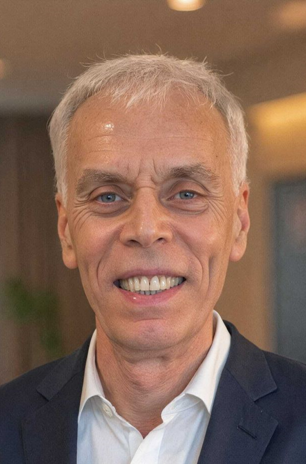
Fired at 63 with only two years of financial runway left, David Nassief rebuilt his financial life by 69 through disciplined saving, simple low-cost investing, and a one page wealth compass.
Podcast: Give A Heck
Most people believe they have more time than they actually do when it comes to money. They work hard, earn a living, and assume things will somehow work out.
In this episode of Give A Heck, Dwight Heck sits down with David Nassief to examine what happens when that assumption collapses later in life. After being fired at 63 following 18 years with one company and a 40-year career behind him, David was forced to confront the reality that he was on track to be broke by 65. What followed was a six-year rebuild grounded in clarity, discipline, self-education, and simplicity.
This conversation explores late-stage financial fear, industry conflicts, the cost of complexity, and why clear direction matters more than income level when it comes to building lasting financial peace.
🎧 In This Episode, You Will Learn How To:
- Recognize the financial reality most people avoid until it is too late
- Understand why simplicity often outperforms complexity in investing
- Identify conflicts of interest that quietly derail financial decisions
- Use market volatility as an opportunity instead of a threat
- Calculate your personal financial freedom number
- Shift from retirement thinking to purposeful next chapters
- Apply clarity and discipline regardless of age or income level
👤 My Special Guest Is David Nassief
David Nassief is the author of One Page Wealth Compass. After being fired at 63 with limited savings and only two years of financial runway left, David rebuilt his financial life over six years through disciplined saving, low-cost investing, and a commitment to simplicity. By age 69, he achieved financial independence and created a one-page framework designed to help others regain clarity without jargon or complexity.
🕒 Chapter Summaries
00:00:02
Introduction: From Corporate Security to Financial Crisis
Host Dwight Heck introduces David Nazif, who was fired at 63 after 18 years with one company, facing potential bankruptcy by 65 despite a 40-year career and limited savings.
00:03:00
Early Life: From Shy Kid to Sales Discovery
David shares his childhood with a successful salesman father, his failed attempt at encyclopedia sales, accounting career detour, and eventual discovery of his own sales approach.
00:08:42
The Firing: Worst Day Becomes Best Day
David describes getting fired as initially devastating but ultimately liberating, forcing him into independent sales work after 40 years of financial circles and stagnation.
00:12:55
The Grind: 10 Months of Cold Calls and Rejection
David details the brutal early months of commission-only sales work, constant rejection, rookie mistakes, and the mental resistance building that led to breakthrough success.
00:16:01
Wake-Up Call: The 91% Financial Reality
Discussion of alarming statistics showing 91 out of 100 people will be dead or broke by 65, emphasizing the widespread financial unpreparedness crisis.
00:19:56
Self-Education: 21 Books and 13 Podcasts
David explains his intensive self-directed financial education through books, podcasts, and research, developing his investment approach without traditional mentors or advisors.
00:20:55
The Forest Experiment: Walking in Financial Circles
David shares the Max Planck Institute study about people walking in circles without landmarks, drawing parallels to his 40 years of financial confusion.
00:24:18
Avoiding Financial Predators: The LIRP Lesson
David recounts nearly falling for an expensive life insurance retirement plan, using his “follow the money” principle to expose the advisor’s commission-driven motives.
00:30:29
Industry Reality: Commission Conflicts and Client Care
Discussion of how commission-based financial advisors may prioritize their needs over clients, emphasizing the importance of understanding how advisors get paid.
00:32:15
Athletes vs. Carpenters: Income Doesn’t Equal Wealth
Comparison of high-earning athletes who go broke versus modest-income workers who build millions, illustrating that clear direction beats misdirected speed.
00:37:53
The Doubling Strategy: Market Volatility as Opportunity
David explains how he doubled his portfolio three times in six years using boring index funds, buying more during market downturns when others panic.
00:44:47
Three Times to Invest: Always the Right Time
David’s simple philosophy that there are only three times to invest – when markets are down, stagnant, or rising – meaning it’s always time to invest.
00:48:55
Three Cs of Conflict: Identifying Financial Dangers
David outlines conflict of interest, information gap, and responsibility conflicts, sharing personal examples including a doctor pushing statins and investment scams.
01:00:25
Three Compasses: Moral, Financial, and Health
David advocates for having simple one-page compasses for key life areas – spiritual, financial, and health – to ensure all important areas stay on track.
01:02:38
Writing Process: Journaling Through Transformation
David describes the emotional journey of writing his book, drawing from six years of journals and experiencing cathartic moments while reliving his transformation.
01:10:16
Mission: Helping Others Avoid Unnecessary Suffering
David explains his motivation to share his compass – seeing intelligent people suffering financially unnecessarily and wanting to provide simple, clear direction.
01:14:01
One Page Simplicity: Compass Before Book
David clarifies that his wealth compass came before the book, representing the actual tool that guided his six-year journey to financial freedom.
01:15:06
Strategic Simplicity: Simplicity Over Complexity
David explains why his simple two-ETF approach outperformed decades of complex strategies, emphasizing the power of buying, holding, and not interfering with investments.
01:19:59
Financial Freedom Formula: Four Simple Steps
David breaks down his four-step process for calculating your financial freedom number, using annual expenses minus guaranteed income divided by withdrawal rate.
01:25:01
FIGNA vs FIRE: Graduation Not Retirement
David introduces his alternative to the FIRE movement – Financial Independence Graduate to Next Adventure – emphasizing freedom of choice over forced retirement.
🧠 Final Reflection:
Most people are not failing financially because they lack intelligence or effort. They fail because they lack clear direction.
This conversation is a reminder that it is never too late to simplify, take responsibility, and choose a more intentional path forward.
Dwight Heck’s breakdown of the 91 percent retirement crisis provides deeper insight into why so many people struggle financially later in life and reinforces the importance of clarity, discipline, and intentional financial decision-making to achieve lasting independence.
🔗 Connect With:
Guest David Nassief:
🌐 https://onepagewealthcompass.com/
Host Dwight Heck:
🌐 https://giveaheck.com
📘 https://facebook.com/dwight.heck
📺 https://youtube.com/@giveaheck
📸 https://instagram.com/give.a.heck
🧵 https://threads.net/@give.a.heck
💼 https://linkedin.com/in/dwight-heck-65a90150
🎵 https://tiktok.com/@giveaheck
Related Give A Heck Podcast Episodes(Click title to access)
The 91 Percent Retirement Crisis: Financial Independence & Retirement Planning with Dwight Heck
How Scott Curry Went from Homeless to Financial Freedom
How to Build Wealth Without Money with David Webb
Full Unedited Transcript:
Unedited Transcript:
[00:00:02 – 00:01:50]
Welcome back to the Give a Heck podcast. I’m your host, Dwight Heck, here to help you live life on purpose and not by accident. Each week we dive into real stories, raw truths, and powerful conversations that challenge us to think differently about who we are becoming, not just what we are doing. My guest today is someone whose story will resonate deeply with anyone who has quietly wondered if time is slipping away or if they are doing just enough to secure their future. At 63 years old, David Nazif, yeah. Was fired after 18 years with one company. With a 40 year career behind him and only two years of financial Runway left, the math was brutal. Even with his savings in retirement, he was on track to be broke by 65. Over the next six years, David stripped away financial noise, rejected complexity, and focused on clarity and discipline. By age 69, he had rebuilt his financial life and achieved seven figure financial independence. Their journey led to his published book, one page Wealth Compass, which became a number one Amazon hot new release and sparked hundreds of readers requests from people who saw their own fears reflected in his story. David is not a Wall street insider. He is someone who rebuilt late, simplified aggressively, and created a practical survival map for people who feel behind but refuse to quit. David, welcome to the Give a Hack podcast. Thanks so much for coming on and agreeing to share some of your life journey, Dwight.
[00:01:50 – 00:01:55]
I’m thrilled to be here. I’ve enjoyed your podcast and thank you for the introduction. I appreciate it.
[00:01:56 – 00:03:00]
You’re welcome. And thank you for being one of the very few guests that actually listens to my show and checks it out to see what kind of flow it is. Because really, at the end of the day, why would you want to be on a show where you don’t connect, right, if there’s not chemistry? So I appreciate you putting that effort in, David. Before I hit record, I talked to you and we, we clarified a little bit more about the origin story and why it’s so important and why they give a heck. Listen. Audience and watching audience have gotten used to, you know, people sharing and being vulnerable because all we want to know is, is there somebody out there like us? Is there somebody out there that’s gone through our journey, that’s there’s commonalities and similarities that, that maybe I can really relate to. So based on that premise, David, do me a favor and share with me the earliest recollections you feel comfortable with. All the way back to when you were a little David, right, and, and what may have affected your life. Right, right up to where you want to, you know, this is where I started in this career. And then we’ll go from there with the rest of the conversation.
[00:03:00 – 00:04:46]
Sounds good. Well, I appreciate that question, Dwight. And I, I have to think back, and when I was a little kid in grade school, my father, he was a very successful businessman. Not overly. We were in a small town, so big fish in a small pond. But anyways, he. He was very dynamic. He was a salesman through and through. He just, he didn’t. There wasn’t anybody in town that didn’t know him, didn’t like him, it seemed like to me was a little kid. And I was always the shy kid, I was always the quiet kid. I just thought, wow, I can never be like dad, you know? And so one day when I was in high school, I decided, or maybe a little after high school, I decided I was going to try to sell. Maybe, maybe it’s in my genes and I don’t know it. So I went and I got a job selling encyclopedias door to door. Okay, this is before Wikipedia, when they actually had physical books. Okay. And I failed miserably. I think I made it lasted 10 days. And I said, well, that’s definitely not me. I guess I didn’t get the genes my dad had. And so I went out and I picked a major that was probably the most opposite of a salesman. That was accounting. I don’t know why exactly I picked it, but I did. And I really wasn’t thrilled with it, but I just felt like I needed to do something. And I’m obviously not sales. And so I lasted in accounting. I graduated with a bachelor of science in accounting. And I. I worked for a CPA firm and then a private oil company. And I realized it just wasn’t me. It just wasn’t in my blood. And I mean, I just couldn’t do it. And then I got out and I tried sales and I eventually found out, hey, I not only like sales, I’m not bad at it, but I have to do it my way. I couldn’t do it my dad’s way, but I could do it my way. And I just have enjoyed the career of sales. And it’s just something that I found out that there’s a lot of different kind of salespeople and I’m definitely not the stereotype one, but what works for me is phenomenal. I’m thrilled with it. So that’s kind of how I got into sales.
[00:04:47 – 00:04:52]
So interesting. I haven’t heard. You don’t hear encyclopedia very often.
[00:04:53 – 00:04:54]
No, no.
[00:04:54 – 00:05:38]
I remember when the advent of the Computers first come out because I, I own a computer consulting firm. I was in that industry for a decade. And I remember when the first, when reverse windows come out and when Wind with Windows they sent along an electronic version of Encyclopedia Britannica, right. They sent out the electronic version of it and, and I put in this, this cd, right? DVD didn’t exist cd. And I put it on and I’m spinning it up. We were just amazed you could search information and, and then it brought me back to those days of sitting on the couch. And we get that yearly annual one, right? They had the whole set and then you get that yearly annual. Remember that one?
[00:05:38 – 00:05:38]
Yeah, I did.
[00:05:38 – 00:05:49]
I used to, I used to go through that page by page, right? Now all of a sudden it’s electronic fast forward, fast forward this many years later and people have that in their phone.
[00:05:49 – 00:05:52]
Oh yeah, exactly, exactly.
[00:05:52 – 00:07:05]
So, so, yeah. So, you know, I appreciate you sharing that. It’s, it’s interesting though. You talked about your dad being a salesperson and you know, selling encyclopedias. That wasn’t really you. I used to be amazed at my dad, right. Dealing with, with, you know, character building, farming industry and, and his communication skills and stuff and how he was such a great salesperson and how he could relax people and I was a little intimidated person and he used to always nudge me. You know, you got to be more, more outgoing and when that farmer comes in, say this to him and do this to him and you know what I mean, Trying to cultivate something that was an 8 in me, but he knew I could be better. Right. So good for you though for realizing and pulling the pin and accounting. I actually. You’re gonna laugh at this. This is how God smiles down on us. I was going through high school thinking I was going to be an accountant and I took all the classes I was going to go in, in Canada. I don’t know if it’s the same in the US I was going to go become a chartered accountant, right. I was going to go, go to university, get the highest level of accounting you could get.
[00:07:05 – 00:07:06]
Yeah.
[00:07:07 – 00:08:40]
And I decided at the last moment, no, I didn’t want to do that. I went into the computer industry and my dad, who originally they didn’t have those programs when he started out, right out of high school, he went to college and got his, got a diploma in accounting. Right. And he, for his whole business existence, he’s still alive. He just turned 85. He did his own books and he did books for other people too. Yeah. Because of that background, he started his own business in the farm equipment dealership. So my. The reason I bring this stuff up is for the listeners from. For you and for me to realize this is really a small world. We have more commonalities with one another than we realize. Age is nothing. To age is only a barrier. If we allow it to be, we can still have conversation and commonality and relatability. So I appreciate you sharing that about the accounting aspect. So we’re going to get into where you start, where this all started. So you. You went from getting fired, right? Tell the listening audience. So for that 40 years leading up to that, you were doing. Go from there. Okay, like, what led. What were you doing? And then what did you find out at that point in time, when you found out, like, share some of your feelings and how that impacted you and, and was it all right away or did it slowly creep up over days and weeks after. After that changed and you had to pivot your life?
[00:08:42 – 00:09:44]
Well, before, when I was in the corporate world, I was there for 18 years. I was. The first decade of the corporate world was really good. I mean, it was really good. I liked it and I felt like I was creative and I was able to really express myself, but I stayed in it too long. And I’ll be honest with you, Dwight, getting fired, although at the time it was the worst day of my career, it seemed like it eventually evolved to be the best day. I mean, I did not have the courage. This is embarrassing to say. I’m going to be transparent. I did not have the courage to quit. I just didn’t do. I had a wife, I had a son, I had responsibilities. And for 40 years, I was going in circles financially. I really hadn’t built any kind of serious portfolio. And that was a blessing to me. I think the Lord must have known, you know, I need to nudge you out of there because you’re not going to do it on your own. And I know there’s better things for you. And that day, like I say, it was the worst day of my life until it became the best. And it’s just. It’s just surprising how it all works out.
[00:09:45 – 00:09:50]
So God, God flicked a switch, gave you courage, and you walked. You still walked forward.
[00:09:50 – 00:12:55]
He didn’t give me courage. When he flicked that switch and I got fired, I was terrified. I was absolutely. I remember, okay, when I got fired, as soon as I got fired, I’m thinking, I’m doing the math in my head and I go, if we drained all of our savings and all of our retirement, we’re going to be broke by the time I’m 65. Because I was 63 at the time. I said, who’s going to hire me at my age? But the hardest thing, Dwight, was that drive home. I’m thinking, how am I going to tell Mary? We’d been married for 30 years and she did not deserve the mess. I just threw her life into it. It’s just. I felt like an absolute loser and I just, I felt, I don’t know, it just, it just drained everything. Any ounce of confidence I might have had, it was just gone. And then after two months, dead end job searching, which I admit my heart wasn’t into the job searching because I could not picture me going back to the corporate world. But I knew I had, I didn’t have a choice. I had put food on the table. So what I ended up doing is I took a huge risk and I decided to go to work as an independent sales agent. Straight commission, no salary and no safety net. And those first months were absolutely brutal as cold calls, constant rejection, rookie mistakes. I remember going to a prospects place, we had a good meeting, he was interested and he asked me if I could leave him with some sales materials to review. And I realized I forgot to bring the sales materials. What salesman does that? I felt like if I actually had a job, I would fire me. It was just like, oh, what a in the town I was. I’m in Phoenix. I’m from a small town originally, but I’m in Phoenix now. And it was. My niche was a very tight market and long term relationships. I constantly heard people saying, oh no, we’ve had our agent for years, we’re not switching. But I think that rejection gave me the mental resistance I needed to build mental muscles. Because after 10 months of grinding, I suddenly hit a milestone that I was thrilled about. I was now making more money than my good paying corporate job. And for a second I thought like, okay, we made it. But then I realized, wait a minute, we haven’t made it. I haven’t saved a penny. I says I got to do more than make money. I got to start investing. And I just was concerned about all the. There’s so many conflicting advice about there on what to invest in and what not to invest in. Everyone’s got their own product they’re trying to sell you. And I didn’t have time to waste with that. So I just dug down deep and started researching myself. I read 21 books, 13 podcasts, countless blogs and articles, and finally I distilled it down to something I put on one piece of paper and I call it my one page wealth compass. And that gave me a set it and forget it approach. Six years later, at age 69, I achieved what I thought was impossible. I went from terrified to being broke to a seven figure portfolio in real freedom. And what I learned from that, Dwight, is it is never too late to rewrite your story. Because if I can do that at 63, anybody can with the right direction. And I really, I believe that now more than I ever have. And that’s kind of how it all happened.
[00:12:55 – 00:13:37]
No, that’s, that’s amazing. So God did flick a switch. You, it’s still like the confidence switch in you because even on the days, your darkest days where you, where you’re struggling, looking for work and getting rejected or trying to do the phone sales and getting rejected, you still did it. The next day you still tried. Maybe you had the odd day where you had to check out because it was two character building, but you still, God flicked a confidence which in you enough that you believed in enough days or you wouldn’t have got where you are right. So I believe that there’s a purpose for everything. We just don’t necessarily understand it.
[00:13:38 – 00:13:58]
You know, the one thing that kept going through your mind during that 10 month period while I was trying to establish myself was you’ve heard the saying, I’m sure that pray like everything depends on God, then get up and work like everything depends on you. And that’s all I was doing for 10 months, praying and working, pray, praying and work and praying and working. That’s all I was praying to work. That’s what got me through it. I really did.
[00:14:00 – 00:14:18]
And you know, at the end of the day you said you stayed in that career longer than you should have you realized after, I think you said a decade, after 10 years, how many people that are listening or watching to this are stuck right now and that they’re not willing to step off that hamster wheel.
[00:14:18 – 00:14:18]
Yeah.
[00:14:18 – 00:14:26]
How many people out there in North America. And I’m going to get to some stats which will floor you that are similar to you.
[00:14:26 – 00:14:27]
Okay.
[00:14:27 – 00:15:17]
And many other people are unprepared and if they lost their job today, they’d lose their life in 90 days. They don’t even have two years like you have. Yeah, I’m serious. Majority of the population are 90 days away. I’m not talking just Canada, I’m talking North America, Europe, Australia. It’s the same everywhere. People live from hand to mouth. And I’m not sitting here in judgment of you in any way, shape or form. Right. We all have our, Our life, our. Our journey. And you, you’ve been very vulnerable about the fact that you lost, you know, your job and you had nothing. Two years later, I guarantee there’s people that are going that, my goodness, I’m in my 50s right now. If I lost my job, I’d be screwed. And 90 days, six months, nine months.
[00:15:17 – 00:15:20]
Yeah, I’ve heard similar. Yep, I have.
[00:15:20 – 00:16:01]
Yeah. Right. So then the stats are pretty alarming, and it does change. I just went and updated them and I did a bunch. I did a specific podcast, so if you look back through my arsenal, because I know you enjoy finance stuff, I have one specifically on how to bulletproof your finances through political storms. I have ones on goal setting which are specifically tied to finance. There might be a few there that I can direct you to. To that you might enjoy. Right. But I do have. I do have podcasts like this, but one of the podcasts was specifically that I just did in the last 90 days, roughly, it would be in the last three, four months, a solo podcast just on the alarming statistics. And I won’t get.
[00:16:01 – 00:16:02]
I’ll.
[00:16:02 – 00:16:12]
I’ll narrow it down, though. So, David, do yourself and me a favor and think of yourself. Place yourself in a room of 100 people. You’ve been in a room of 100 people, haven’t you?
[00:16:12 – 00:16:13]
Absolutely.
[00:16:13 – 00:16:28]
Under statistics, 91 of those people in that room are going to be dead or dead broke by the time they hit 65. So based on your situation, you would have been dead broke at 65.
[00:16:28 – 00:16:29]
Yeah, exactly.
[00:16:30 – 00:16:50]
Right. So at the end of the day, nine people out of that room in that hundred are going to be okay. One out of that room of 100 is going to be filthy rich. Right. The other 8 of that 9% are going to be okay. They don’t have to watch the paint peel on the wall. But it’s a. People should be alarmed that are listening and watching.
[00:16:50 – 00:16:51]
Oh, yeah.
[00:16:51 – 00:17:21]
You know, like, I did a. It’s actually on my website for those listening, watching, you haven’t seen it. You can go onto my website@giveaheck.com you can watch. There’s a snippet of the speech, but you can watch the full speech. There’s a link to YouTube. It’s 13 and a half minutes, roughly. The speech that I did on a stage down the US In Salt Lake, where it talks about. I talk about, you know, the worst days of my life and, and what made things change in my life and how do we Move forward. And it’s. Right. It’s tenacity.
[00:17:22 – 00:17:22]
Yeah.
[00:17:23 – 00:17:45]
Who gives us that tenacity? I think tenacity is a superpower that been blessed to us from God. Look at you. Yeah. You had struggles. Nobody’s saying, oh, David was Superman. The day after he lost his job, he was driving home from his job going, it’s about damn time. I can’t wait to move forward. No, that’s not real life, is it, David?
[00:17:46 – 00:17:47]
Not at even close.
[00:17:47 – 00:17:53]
Right. So 91 and 9. Just remember that. People listening or watching.
[00:17:53 – 00:17:54]
And.
[00:17:54 – 00:18:07]
And the reason I brought up that speech, during that speech, I told people to look to their left and look to their right. I said, based on statistics, one of you might be okay. Right.
[00:18:07 – 00:18:07]
And the.
[00:18:07 – 00:18:32]
And everybody in the audience, because I’m in this big college, like, auditorium. It was at university or something, one of the colleges in Salt Lake. And people were looking to. And people were looking alarmed. Right. It was like, unbelievable. Yeah. And some of the testimonies that I got, I put a few of them up on the website, too, of how. How people could relate to it. Right.
[00:18:33 – 00:18:33]
Yeah.
[00:18:34 – 00:19:56]
Everybody thinks, oh, he’s a financial person. He said, no, I’m not. I raised 5 kids on one one income in a business where I need to work on the weekends and in the evenings, and I couldn’t. Right. Once in a while I could because I was raising kids, taking them to extracurricular activities. And the reason I mentioned this, we can’t define somebody by what they do, that their life is all perfect. It just isn’t. That’s why I had to design my book. Right. How to live life on purpose, not by accident, you know? And why you designed your book was because you. You had that epiphany. You found, hey, man, I got all this information. I want to share it with somebody. So congratulations and thank you for doing that for. For the world. Right. You never know where your book’s going to touch people. You’re welcome. So, you know, at the end of the day, was there anybody. So you. You took this, you’re 63 years of age, you felt extreme stress and guilt putting your wife, your family in this circumstance. Was there. So you jumped into books. 21 books, 13 podcasts. Was there anybody that mentored you, like, actual conversation mentored you, or somebody that you really found was. Was impactful on your journey? And the reason I ask, because maybe that person can help. Right. Somebody else.
[00:19:56 – 00:20:54]
Yeah. You know, I’ll be honest with you. That period of time, especially that first year when I was developing my Quote, compass. I was just, like I said, working and praying, working and praying. But one thing I was doing when I was working out physically, because I wanted to stay healthy, I was listening to the podcast and I really felt the connection with, with a lot of the podcast guests and hosts and they really guided me and it was more of a virtual thing. I never met anybody in person. You know, Warren Buffett is a big influence on me. You know, the founder of Vanguard. Okay. The Bogohead Group is a big part of it, But I don’t know many people in that world. I really don’t. I have a personal friend who happens to be an advisor, but that’s about the only connection I have to the financial world. And I just felt like, you know, I need to figure this out. And I heard a story that kind of made the whole compass idea come to come about for me. I’ll just share it with you if it’s okay. Sure.
[00:20:54 – 00:20:55]
Oh, go ahead.
[00:20:55 – 00:20:55]
Okay.
[00:20:55 – 00:20:57]
You don’t have to be brief. Share the whole story.
[00:20:57 – 00:21:57]
Go ahead. Okay. Well, there years ago, scientists at the Max Planck Institute did an experiment. And what they did is they took people and they put them in the center of a dense German forest and they instructed them to walk in a straight line to the edge. Now, these were confident and capable people. But when the clouds covered the sun, the GPS tracking was showing they started to gradually walk in circles. Some of them ending up right back where they began. Yet every one of them was absolutely convinced if you asked them, they were walking in a perfectly straight line. That is exactly how I was handling money from for 40 years. Working hard, feeling like I was making really good decisions, but ultimately just working, walking in circles and that. So when I heard that story, I said, you know, I need a compass for my life in terms of finances because they’re such shambles right now. And that’s when my studying happened. And if I could, I’d like to just share what happened right at the beginning, before I was even.
[00:21:57 – 00:21:58]
Oh, go ahead.
[00:21:58 – 00:24:17]
Before I was even finished with a compass. What happened was I started to develop it and I was 64 now at the time. And a fiduciary advisor who I was referred to recommended something to me she said was amazing. A lirp, a life insurance retirement plan. Okay. Tax free income, long term care, life insurance, the whole package. Now when she told me that some members of Congress invested in it, I was thinking, wow, this is really smart. I’m going to get into this. Congress is doing it. You know, I thought, you know, that must be Good. But then she said something that if I were to invest with her, she would waive her quarterly fees. Now at this point, my compass wasn’t even close to being finished. But I did have one tool in there that said it was called follow the money. And it tells me to understand how people are getting paid that are giving me advice and recommendations, especially if they deal with finances. And I thought to myself, wait a minute, if she’s willing to waive her fees if I invest in this product, how much money is she making off this thing? So I went home, I did some research and I found out these lerps, they pay salespeople and advisors very generous commissions. They have sky high fees and poor returns. This is the exact opposite of what I told her I needed. I was now 64, desperately behind. I needed stable, steady growth, not this other stuff. So anyways, I was just amazed how that one tool is expose that she was about to make a fortune. Will I be back to walking in financial circles? So what I did is I just said, enough of this. I started from scratch. I says no more advisors. I’m not against advisors. I’m really not. It’s just for me, I just had to do it my own way. And that’s just kind of. Some people are that way. And so I started searching. What I did is I was, I was able to get in the right investments, I was able to avoid getting ripped off. Okay. And it also gave me the keys to accelerate my path to financial freedom. And, and I, I said if I can’t keep it simple on one piece of paper, I don’t, I don’t want it. I just, I need to send, and once a week, Dwight, I would look at that paper for like a minute or two. I just do a quick review of it and, and, and just, just keep refining it, keep, you know, stay on track. And that’s really how it all came about. And to this day, I, I still use it. I mean to this day I still use that one page compass. Even though I, I’m, I’m fine now financially.
[00:24:18 – 00:25:37]
Well, and you know, you got to do what works for you, right? At the end of the day, you’re right though. You need to understand how people get paid. I go through that. Compliance in Canada is really strict. I was a branch compliance officer for many years of my career, close to a decade where I actually branched agents and had to follow like make sure everybody was following compliance laws. And, and the bottom line though is when you’re paid a commission and you’re not paid anything else. Like a lot of financial advisors In Canada, the U.S. are paid a commission or not paid a base salary or nothing. So if you’re desperate, they manipulate in their own mind. They convince themselves that that product or service that that lady offered you is good for you, but they don’t think about. They’re thinking about their needs. Not necessarily how does this affect you? And the reason I bring this up is people that are listening or watching. Our fingerprint is unique. So is our financial snapshot, our financial picture. That product or service, I’m not familiar with it, we don’t have that in Canada. But I will say that there’s products or services that will work for people at a specific age, and they shouldn’t be peddled to everybody, right?
[00:25:38 – 00:25:39]
Yeah, not everybody.
[00:25:40 – 00:26:39]
No. I’m just. I’m just saying. Right. So they probably. She potentially didn’t really look at the fact of what is this going to do? And here’s why I bring that up. She wasn’t really listening. Right. You mentioned that. Right. So it’s important when you’re sitting with somebody that helps people with financial services, before we talk about products. I’ve already gone, broken down how I get paid. I already broke down on privacy. I’ve already gone through specific documents, got signatures, make sure that people explain. Right. And if. And if you don’t feel comfortable and you got a gut feeling that says something’s not right, it’s okay to walk away and just say, you know what? I need to think about this. I need to shop this idea in my. With my family. I need to do. And people are going. If you don’t have enough confidence to do that, that’s what salespeople are looking for. They’re looking for the. For the people that are willing to just press hard. Three copies, right.
[00:26:39 – 00:27:11]
Can I tell you the funniest thing? Go ahead, talk about your gut feeling. We’re in the office with her for the very first visit. I brought my wife. Now, my wife is not. She’s a wonderful wife. I love her to death. She’s the best wife I could ever ask for. But she’s not in the money. That’s not her thing. You know, that’s fine. That’s my thing. But I insisted she come with us. And the advisor wanted her to come, too, just for the first thing. We left that office. And I’m thinking, you know, maybe this is right. And my wife’s saying, nope, I don’t trust her. I just. There’s something about her I don’t Trust and come to find out, after my research, my wife was right. Just with her gut.
[00:27:12 – 00:27:14]
But it’s true, though, David. It’s true.
[00:27:14 – 00:27:16]
I know, right?
[00:27:16 – 00:30:29]
I have. I have people that have said to me, you know, we’ve got done the meeting. I don’t see or hear from them again, or I’ll respond, reach out to them and say, hey, I want them to be honest. I’ll tell them, if. If you don’t think we’re a fit, you’re not going to stay on your financial plan. You won’t. If you. If right. If you’re not willing to. Goals. Pardon me? Goal set with me and be vulnerable and budget. Because I expect. I have a high expectation of people budget with me. Right. Knowing your inflows and outflows and money. I’m not your traditional financial person, I’ll tell you that right now. Right? Not even close. And literally, I’ll communicate with people and I’ll be helping them out. And, you know, we’re working on their financial numbers, we’re helping them figure and understand stuff. And I’ll look at them and say, you know what? Based on after all this research, all this education, you aren’t right for this yet. You aren’t ready for this yet. You’re never going to be ready for this yet. Right? And I’m just being honest with them because you know what? The truth, the truth can be spiced up and made to be fancy, or our version of the truth and we hand it to somebody and we. There’s a little bit of truth and a lot of sugar on top to make it sweet. But does the person actually. You wouldn’t believe how many clients I sit with. And I’ll say to them, do you understand what you have? Because they’ll bring all their stuff out. No. Someone will say, well, yes, I did when it was originally sold, but it’s been 20 years. Okay. You haven’t heard from it in 20 years. You haven’t heard from anybody in 50. What? Yeah, you know, so. So it’s their responsibility to stay in touch with their agent. And I tell people that that are listening and watching. If you knew how many clients I had and you have an expectation that I’m going to be able to stay in touch with you, it can happen. It’s back to the squeaky, squeaky wheel needs oil. You oil it so it doesn’t squeak anymore. If you have challenges, reach out. I will prove to you that I will always be there for you. Right. If it’s a 911 I’ll get back to you that day. If it’s not, tell me in your message, your text, your email, your voicemail, whatever. But at the end of the day, people need help. People need support based on their level of understanding. And not all products fit everybody, but yet the industry is so desperate to make money because it’s declining. There’s less and less people doing it. The people that are doing it aren’t doing as well as they think they should do because nobody’s taught them. So nobody taught you about money. Nobody taught them how to deal with people. They may understand the money side of it, or they’re just typically a salesperson. They could go and sell a house, they could sell a car, they could sell insurance, it wouldn’t matter. They’re just good at sales. But they’re not good at any of the aftermath, the after, the before or after, if that makes sense. So those list, those listening, watching, ask questions, get help, get support. Right. Not everybody’s going to be about you. They’re like David proved right. And again, no. No disrespect to that person.
[00:30:29 – 00:30:29]
No.
[00:30:29 – 00:30:36]
But they need. They need to understand. They need to understand. And read the room. What’s the temperature in the room? Yeah.
[00:30:38 – 00:30:39]
Can I mention one more thing that.
[00:30:39 – 00:30:41]
Sure. Mention whatever, brother.
[00:30:41 – 00:32:15]
Okay. A lot of people think, you know, you have to make a lot of money to make investments, stuff like that. And this is the interesting things I heard when I was doing all my research. And I just like to share, just dispel that stupid rumor. First of all, it’s NBA players. The average NBA player makes over $10 million a year. Now, that’s not $10 million in their career. That’s in a single year. Okay, One year. Okay. And yet after five years of retirement, 60% of them are broke financially. This is according to the Netflix documentary Broke and the NFL. You know everything. Oh, pro athletes. Oh, they’re making. They got to meet. NFL is even worse. After two years of retirement, 78% of them are either bankrupt or in financial serious stress. That’s according to Sports Illustrated. So these people are making phenomenal money. And then you got people like Dale Schroeder. He’s a carpenter making a modest income. His whole life, he lived below his means. Like you’re talking about the budget. And he invested consistently. He ended up with $3 million. Now, this is a guy who beat most of the people in the NBA and the NFL making all that money. And he didn’t make. He made below average income most of his life. End up with $3 million. And that’s, that’s the thing about it. It’s not, here’s my thinking, okay. It’s clear direction beats misdirected speed every time. That’s something I, that’s why my whole focus on my compass is giving you clear direction. Those athletes, they were making a fortune, but it was going out in every direction.
[00:32:15 – 00:32:22]
But who, who’s talking to these athletes? So these athletes are dealing with so called high end professionals.
[00:32:22 – 00:32:22]
Yeah.
[00:32:22 – 00:33:11]
They’re. They’re getting offered products and services that they just, They’ pile of money. They don’t care. Okay, do that, do this, do this. Nobody research. Zero research. Like hockey’s the same way in the NHL. And you look at it. So they go up through, they play sports, let’s say football, baseball, soccer, hockey, basketball, I don’t care. It’s all the same. They grow up as young individuals, male or female. Right. I know exactly the process they go through. They there, they leave home soon, earlier than normal. Maybe they have to go somewhere to play for a team. And in high school or college, right. You got college football, you got all these different things. Nobody along the way, everybody gives them preferential treatment to get to their classes. It still happens, right? It happens in Canada too.
[00:33:12 – 00:33:12]
Oh, it still happens.
[00:33:12 – 00:35:35]
Preferential treatment. Nobody taught them how to save first and best later. Nobody taught them that if you’re spending a dollar and, and you’re only making 75 cents, you’re going to be in trouble long term if you don’t, if you don’t understand the rules of the money game that if you’re making a dollar right. Save. Right. Start out small, save 10%, save 10 cents of that dollar and learn to budget and live off the 90 cents. And the person that is, is, is a carpenter or person that some of my wealthiest clients, they look dirt broke. They look because they live within their means, they understand the power of the money game. They understand that consistency, compound interest works over consistency. Right. I agree. Right. Dividend investing or people that invest in dividend stocks and they do it correctly will have 30% more money than a standard person that invests. Why? Because so should they have some in that. And normal investing. Absolutely. Diversification too. People don’t understand how to invest. They buy high, they sell low. Instead of buying, buying low and selling high. Right. They don’t understand the rules of the money game. If I don’t know if you agree with any of this, but that’s I do. People need to save first, spend later. Right. And if you start at A young age. Like I’ve been trying to teach my kids. Some of them don’t get it, some of them don’t want to be my client, and that’s fine. But at the end of the day, you need to save. You need to start saving every single week. And if you learn to live off that difference, you’re not going to miss that other money because it’s going to be. I’m not saying you shouldn’t look at it. Maybe you’re a person that, that does some day trading or whatever, but only have a specific portion that you, you spend in risk. Keep things in balanced, moderate consistency. You will be that person with $3 million. You will be that person with $1 million. The difference is, is you didn’t go out and do everything you wanted to do, had a family and then decided to start saving. Right? I wish I would have known. What I know now. When I was in my 20s, even though my dad was wealthy, he never taught me. Yeah, yeah.
[00:35:35 – 00:37:53]
You know, I’d like to share that. Something that demonstrates exactly what you’re saying. I mean, proof positive in my, my experience. Not, not. I’m not. Go ahead. I, I doubled my portfolio three times in a six year period. And let me explain what. I wasn’t day trading, I wasn’t chasing crypto. I wasn’t trying to time the market. I was doing the exact opposite of that. I was doing something so boring it would put you to sleep. Okay. I discovered a way to invest. And here’s the crazy thing. When the market was down, I was thrilled. When other people were panicking and selling, I was buying more shares at discount prices. My only regret is the market wasn’t down more during that six year period. But let me show you. Here’s the secret. It wasn’t the returns. It wasn’t the returns. Okay. It was something that a lot of people. Well, first of all, let me give you the math. And I know you know the rule of 72. Some people have heard of it, some of it haven’t. It tells us how quickly our money will double at a certain rate. So let’s say you’re getting 10% on your money, okay? They say your money will double every 7.2 years or roughly 86 months. My first double of my portfolio after I started my Compass occurred in 30 months. My second double, only 13 months. My third double, 29 months, which is an average of 24 months of the three doubles, way less than half the 86 month time period. But like I said, it wasn’t about the return so much as it was. I was doing three things. First, I was taking a good portion of my income every month and saving it. Secondly, I was taking that money and put it in the right kind of investments. And for me it was low cost index funds. Okay, that’s, I’m not saying it’s the only way to do it, but that’s how I did. Okay. And the third thing, I was using market volatility to work for me instead of against me. So many people, like you said, are buying high and selling low. I got out of that mess by following this principle and I just ended that cycle for me. So many people do it the opposite when they’re like me and they’re behind. They either start taking big risks and it ends tragically or they so conservative that they can’t even keep up with inflation. They’re actually getting behind. Okay, I took a different path, okay. I found a way for me, I’m not saying this, everyone’s that it built my portfolio twice as fast with half the risk compared to how so many people are doing it in this world. Which is like you were saying, buying high and selling low. And every time the market changes, they just throw out their system and panic.
[00:37:54 – 00:38:03]
Well, no, it’s great that you shared that. Of course I know about the rule of 72. It’s part of one of my workshops that I do. I talk about it quite a. I.
[00:38:03 – 00:38:04]
Know you would know it.
[00:38:04 – 00:38:39]
But, but at the end of the day. Oh no, I’m glad you brought it up. Guess what? People listening or watching the Rule 72 works the opposite way too. Take your, take your credit debt. Take look and see what you’re paying on credit. If you’re making the minimum payment on your credit card, it’s designed to service, not to pay down debt. That’s why in Canada, I don’t know if they finally do it in the US and Canada. It’s been federally regulated for 20 some years. It’s right in your statement. Based on minimum payments, it’s going to take 63 years for you to pay off your credit card. I’ve seen that on people’s statements. Right. 63 years and they’re in their 40s.
[00:38:40 – 00:38:41]
That is crazy.
[00:38:41 – 00:39:59]
You know what I mean? So it’s right on the credit card statements. So if you’re paying X amount of interest divided into 72, it works. It works the opposite way. Two stats have shown it. Yes, you can be somebody that can beat stats just like you have done. And it’s. And it’s Fantastic. But you need to understand a rule of 72. You need to understand the fact that money over a period of time, in order for it to work for work for you, you need to have good vehicles. Like you were saying, you use low cost index funds. You know, there’s people that use ETFs. Right. There’s so many different variants. I’m not a crypto person. It’s, it’s very volatile. I’m not saying that it’s, there’s not a place for it. We’ve got to embrace it or get left behind eventually. That’s why there’s credit, there’s credit cards now that are tied to crypto. It’s unbelievable, right? What, how, how it’s. And really people say, oh, you know, this has happened overnight. No, it didn’t. Bitcoin’s over 20 years old. Like, yeah. At the end of the day, crypto isn’t something that just start overnight. It’s just taking its momentum. But you don’t need to take on a crap ton of risk if you want to be that person that plays a little bit. Have a defined number.
[00:39:59 – 00:40:00]
Yeah.
[00:40:00 – 00:40:05]
Right. Don’t take more than 5, 10% of your complete liquid net worth.
[00:40:05 – 00:40:05]
Yeah.
[00:40:05 – 00:40:32]
And do anything risky. But have that set aside so that you can do like, David, the markets are low. Go in and buy. Look, with all that, with all the adversity that’s going on right now politically in North America and the world, every time a certain political person opens up his mouth, the markets dive. Guess what the wealthy are doing? The wealthy are buying more. Yeah, right. If they understand the stock market, guess what they’re doing.
[00:40:33 – 00:40:33]
Right.
[00:40:33 – 00:40:47]
They’re buying calls, they’re buying puts. They’re doing different things depending on how the variety is. And they’re always going to win the money game. I’m going to be harsh to people. They’re always going to win the money game because there’s people that manipulate the markets so that they can make more money.
[00:40:47 – 00:40:48]
Yeah.
[00:40:48 – 00:40:57]
They know that their words. Or, or somebody slipped in information and all of a sudden somebody wrote an article about this company. They did it intentionally.
[00:40:57 – 00:40:58]
Right.
[00:40:58 – 00:41:11]
Sometimes it happens intentionally. They want, they want to take the stock so that they can go and buy more. Right. Or whatever. They proved that here the last few years. I’m trying to think of that person that did that and made a crap ton of money.
[00:41:12 – 00:41:12]
Yeah.
[00:41:12 – 00:41:17]
Fake news about a corporation. I believe it was in the electronics world. And, and Right.
[00:41:18 – 00:41:18]
Yeah.
[00:41:18 – 00:42:58]
But at the end of the day, manipulation happens like that. All the Time. So you gotta sometimes avoid the noise. Just learn, save regularly. Understand the market conditions or the indices that, oh my goodness, it’s down. Hey, I have some cash savings. And here’s why I want to also bring this up because. Because this is my industry. There is portfolio managers that deal with all that stuff. Right. For a person, good portfolio managers, right. That actually absolutely understand that they buy more, sell more, sell high. Part of me, they sell high, they buy low. They understand that this sector is, isn’t doing well, so they disengage and put more money in this sector. So for those out there, not everybody can do what David’s doing. Can everybody learn it? Absolutely. But not everybody’s going to have inside of their heart between their six inches between the ears to be that person that can take that. So that’s when you go to somebody financial to help you. But if, you know, you talk about your COMPASS program being relatable and something that people can follow, what do you got to lose to try it out? Right. If you’ve been stuck and you aren’t doing anything right now, you got to check out stuff like David’s offering. Like especially somebody that’s been vulnerable that can tell you that they’ve struggled. They were on the struggle bus. They were two years away from having nothing and still went out and figured it out. You can too. And he’s just giving you a guide. He’s talking about his success. Right. Success leaves clues. And then one of those clues is his book, right?
[00:42:59 – 00:44:47]
Yeah. You know, you remind me when you explain that I found a very simple, non Wall street, simple man’s way to do it. And it’s a kind of a set it forget approach. Let me show. I believe there’s only three times people should be investing and just those three times, no other time. And I believe that for me, I had to keep it simple. First time. You should always be investing when the market is down because things are on sale. It’s like going to the retail, going to a store and say 50% off sale. Oh, can you tell me when it goes back to retail? I don’t want 50% off. That’s how people are with the stock market. They don’t want it on sale, they want to pay full retail. And it’s like you’re crazy. So when the market is down, that is the number one best time to, to invest. I believe the second best time to invest, it’s one of the three is when the market’s stagnant because it’s like no inflation. It’s like, look how inflation has changed things for us in the last five years. Okay? Wouldn’t it be nice to go back five years? We don’t like inflation, okay. When it comes to the stock market, we want inflation. We don’t want it. It’s crazy when the prices are stagnant, buy because you’re getting them at pre inflation prices and there’s a third time to buy, and only this time is when the market is going up. Why? Because every time you invest, you’re making money. It’s like, why wouldn’t you want to invest them? So the point of me saying that is there’s never a bad time not to invest. You should always be investing with the market’s down, stagnant, or going up. That’s what did it for me when I figured that out and I stopped listening to people on the news, cable news stations about the market. I still enjoy listening to the people, but it’s just for entertainment purposes. I would never take advice from them. I have my system. It works for me, worked phenomenally for me. I don’t need that advice. But everybody should always be investing. And that’s the point. I found good or bad or neutral time.
[00:44:47 – 00:44:51]
I don’t know if you’ve read that, but, oh, 100%. It’s called cost averaging.
[00:44:51 – 00:44:52]
Yeah, exactly. Exactly.
[00:44:52 – 00:44:52]
Right?
[00:44:53 – 00:44:53]
Yep.
[00:44:53 – 00:46:02]
So for those new to the Give a Hack podcast, again, I interview everybody and anybody. Right. So I do have finance people on. I have had solo podcasts over the last five years, probably a dozen. And dollar cost averaging is really simple. This month I invest $100. The stock I’m buying indices, whatever is $10. I get 10 units. Next month it’s $20. How many units am I getting? Right. It’s just as simple. Or it goes down to $6. I’m still investing the same hundred, right. Or $5. Now I get 20 units out of a hundred. Right. So dollar cost averaging, people listening, what, what David’s talking about is every month that you invest, you are going to. If you do dollar cost averaging by nature, you’re going to catch all three of those. You’re going to catch the market down, the market up, stagnant. It does not mean, though, that you shouldn’t have a lump sum of money. And you, and you go, oh my gosh, look how much that crash is down. 15%. Buy, buy, buy. Right?
[00:46:02 – 00:46:02]
Yeah.
[00:46:02 – 00:46:20]
So you can still do your dollar cost averaging. Your monthly investments that you’re putting away. If it’s that hundred dollars, keep on doing it. It’s going to do it itself. It’s going to automatically, in my opinion, whether you agree or disagree, David, it’s gonna. Dollar cost averaging covers all three of those aspects.
[00:46:20 – 00:46:20]
I agree.
[00:46:21 – 00:46:39]
Time and time again. It is something that is so underutilized and I try to convince people. You need to do monthly packs, right? Or pads, pre authorized debit, pre authorized checking, whatever you want to call it. Because in my clients that listen, their portfolios are always higher.
[00:46:40 – 00:46:40]
Always.
[00:46:40 – 00:48:54]
Yeah, yeah, I agree. Can we time you and I can’t time the markets. We can look at the markets, understand that there’s, there’s a down cycle, we’re still taking some risk, but it’s defined, calculated risk to go and buy more. If we have a lump sum and we know that stock that was $10 or indices now down to five and we’re. And we have 10,000 bucks in an account, we feel confident in it. Maybe we take 5,000 and go, poof, there we go. We got another five grand. For something else that comes over, maybe you do a thousand. Whatever your risk tolerance is, that’s another thing. For those listening or watching, you can go online and find risk tolerance questionnaires or you can reach out to me and I’ll send you one really good one. There aren’t very many questions, but it’ll tell you also what your risk tolerance is. Right? And, and your risk tolerance can change 90, 60, 180 days. It can change in three years, it can change in four years. I constantly redo the questionnaires and people are shocked how their risk tolerance either goes up, downs or is moderate. It just changes because life changes and we need to address those changes. So my point for that is don’t take your finances. Like a lot of people, especially the older clients that I get called on, they open up a drawer and they got all their statements that haven’t been opened or they open up their door to get me financial information. They don’t stay on top of it. You can’t just park your money and forget it, walk away. Those days don’t exist. Maybe they did it one time, but you can’t just do that and expect to win the money game. You need to be diversified. You need to do dollar cost averaging. You need to do dividend forms of investing. You need to find out what your options are. Back to the book of what David’s offering, right? My book is great because it teach. My book is the same as our the podcast. It starts out as the origin and it works way through my life as to Where I learned about business, my dad’s business, how I learned about finance, how I got into budgeting, how I got into goal setting with people. I tell people how to do it. It’s very, very simplistic. So a tool like yours, a tool like mine is a great marriage is what I’m saying.
[00:48:55 – 00:48:58]
And you said something, you said something that made me think of something funny.
[00:48:59 – 00:49:00]
Go ahead.
[00:49:00 – 00:49:16]
People are always trying to forecast the market and all this kind of thing. All the experts out there, and Warren Buffett has a quote. I may not have it exactly right, but he goes like this. Forecasts tell us everything about the forecaster and nothing about the market. Whenever I, whenever I, whenever I’m watching the news.
[00:49:16 – 00:49:17]
Oh, that’s funny.
[00:49:17 – 00:49:30]
Whenever I’m watching the news on cable, the financial news, and they start giving me this forecast, I just start laughing. My wife says, honey, what are you laughing at? I guess these forecasters, they have no idea. I mean it’s, let’s flip a coin, we’ll be just as accurate as they are.
[00:49:30 – 00:51:30]
It’s crazy because what is driven by forecasters, their personality comes out and again, that’s what they mean. So excuse me, we connect with people or we don’t connect with people, that forecaster, the person they put on cnn, Fox News, whatever you want to talk about, that so called expert, Suze Orman, Dave Ramsey, the list goes on. Which I personally, again, I’m not, I’m not for them, I’m not against them, but I don’t think they, I think they, they teach wrong mentalities to people. They teach them to be fearful, in my opinion. Right. They don’t teach them to be bold. They don’t teach them to be educated. And I’ve written articles about Dave Ramsey. No, no disrespect, Dave, if you’re listening, which I doubt you are, he’s been in my own, he’s been in my country many times. He gets hired by major, he gets hired by church groups that use fear and aggression to keep the, the congregation at bay. And he fits in perfectly that. He comes in and talks about his jar principle, he talks about this and that, but you know what? It’s too safe and it’s not going to help them get ahead in life. Right. Susie’s the same way, but that’s just me. I was introduced to them when I first got into industry and everybody said, oh, so some of the traditional guys, oh, these people are so good. Are you kidding me? No, they’re not. Yeah, they have their place for certain people, but at the end of the day, we just have to continue to move forward. Right. And, and, and buy research. But always people listening. Start out by understanding where your money is going. You have to understand where your money’s going. You can’t just say to me, okay, I make a thousand dollars a month, I’m gonna give you $200 of it. Yet your current experience expenses are that whole thousand dollars.
[00:51:30 – 00:51:30]
Yeah.
[00:51:30 – 00:51:44]
We need to learn how to free up money. We need to stop having waste. You need to live with intention and purpose, which is what my book is, how to live life on purpose and not by accident. And that’s what your principle is. You’re teaching people how to live purposefully.
[00:51:44 – 00:51:44]
Yep.
[00:51:45 – 00:51:56]
Right. Perfect ideas. And we just need to, we have to believe in ourselves and quit listening to all the noise of all these so called professionals like your wife had the gut feeling about. Right? Yeah.
[00:51:57 – 00:53:41]
You know, I have something that I think is so important. It’s, it’s in my compass. It’s, I call them the three Cs of the three Cs of conflict. And the first C is conflict of interest. And this is when someone’s paycheck greatly influences their advice they give you like a realtor. Creates fear of missing out to close the deal. Make a $15,000 commission check. And the house may not be the right one for you, but you know everything’s going to work out. Or the student loan advisor gets you an amount in a student loan debt because that’s what he’s paid to do. I’m not saying they’re bad people. I’m just saying that there’s a conflict in what they’re offering in terms of their interests. The second C I call is the conflict of information gap. And these principles are beyond finance. I’ll give you one that’s not about financial. When I was 55 or so, I went to the doctors for my annual checkup. And he says, David, your cholesterol is 3 20, no 3 35. He said, this is serious for a 55 year old. We need to get you on statins really fast. I said, okay, well, let me do a little research. He goes, oh no. Then he told me this story about his father, how he died and of high cholesterol. He got a stroke and if he only had the statins. And he almost cried in the office, you know, telling me this story. And I said, well, that’s very touching, but I said, I feel like I need to do my own research. He wasn’t happy, but I was firm. I went Back I did the research. I found out, you know, exercise and the way you eat has a lot to do with the whole thing. And so I did some dramatic changes in my life. Ninety days later, I went back, had my blood test. It went from 235 to 175. For those who don’t know this, anything under 200 is really good. Anything above 200 is really bad. Okay? And I was so excited to tell a doctor. I says, look what I did. And I didn’t need statins. He did not want to hear it. He did not want to talk about it. He was mad at me. I mean, he was mad at me. I mean, I. I hear I’m kicking back.
[00:53:42 – 00:53:43]
Can you say kickbacks?
[00:53:43 – 00:54:50]
I know. And it’s like, are you crazy? And whether he’s getting a kickback or not, I don’t know that. But he had a conflict of information. He. What he was taught in medical school that the only solution is drugs and what the rest. The other things out in the world, that there’s other options, that there was a gap in his. In his knowledge. And I was. And that’s really. That it’s real life. I mean, people do that. And just the third one real quick is there’s a conflict of responsibility. And this is when both you and the person advising you assume the other person did the research. I had a guy. I knew a guy, decent person. He was in investments, and he got this new investment. He was so excited about it, and he got people in his church involved in it because, you know, he really believed in it passionately. And the people in the church trusted him, so they invested in it. My problem was the people in the church thought he did the research. He thought the guy offering the investment did the research. Nobody did the research. Everybody lost big when everybody lost friendships. And I’m a firm believer that nobody cares more about your financial safety than you do. Nobody. I don’t care how good they are.
[00:54:50 – 00:54:51]
Agreed.
[00:54:52 – 00:55:01]
That’s why the three Cs are a big part of what I put in my compass. Because I. I gotta look out for me. I’m sorry. I’m not saying anyone’s bad. I’m just saying I gotta look over me.
[00:55:01 – 00:58:45]
Yeah. At the end of the day, really, if in. In a circumstance, we have to fend for ourselves, we have to work hard to survive. We have to. Here’s the one thing. Like, I tell people I had somebody on, and their whole conversation was about putting the mask on for first people. You understand? That means when you’re an airplane, you put the mask on first because you can’t help anybody if you’re passed out. It’s no different than how can you help your family, how can you help your significant other if you’re not personally developing? So I’m not talking about money. You stepped it outside. I’m not stepping outside of money too. You need to be aware of the, of the outside influences you have, the associations in your life. Get into some personal development if you’re just to help you think differently. Great podcasts, right? Like this one. And you know, at the end of the day, you need to elevate your mindset. Your brain is a giant computer. It is does not know the difference between a truth and a lie. So do some personal development. Part of that personal development is finance. To understand. What’s Dwight talking about? What’s David talking about? Well, best way to understand is to get our books, listen to my podcast, do some research. Even if one thing that David has said is intrigued you or I’ve said has intrigued you, you owe it to yourself. Put the oxygen mask on first. The rest of the world right now around you is full of stress, character building moments. But put that oxygen mask on and start worrying about you. Start feeling better about yourself. Because when I deal with you, if you were dealing with me, it would. The first part of our communication is all about life. What’s your lifestyle like, David? What’s your origin like? Because I want to connect. So my podcast, my book is what my practice is. It’s caring about people. It’s asking those tough questions. It’s getting people to look inside themselves and realize, oh my goodness, my Uncle Bob, who’s broke and, and in debt is giving me. I’ve been taking financial advice from him for years. What? So the people that are talking to you, are they where you want to be? Are they? If they’re not, why are you listening to them? Don’t mean you have to be disrespectful. Uncle Bob, I can’t listen to that guy anymore. Just nod your head and smile and realize that you’re on the path to better your life. Starting with personally developing and being confident in yourself. Getting into understanding finances, getting into budgeting, understanding your numbers so that you know you can take 200 of your thousand bucks every month and invest and then learn where the best, the best way to do that. And again, David’s perfect for that. With that, with his compass, I’ve got information that can help you go to where you feel comfortable. If neither of us feel comfortable you feel comfortable with us. Hopefully we’ve sparked something in you. You’re gonna go out and you’re gonna ask good questions, you’re gonna research and you’re gonna find somebody that connects to you and you connect to them, whether or not it’s a personal advisor or it’s just you connect with some podcast, you connect with some author, you connect with some online journals. There’s tons of people that journal about money. Right. There’s tons of research companies. Be careful though, because they’re going to drag you in with fees. They’re going to drag you in with this cost 1000 bucks a month. And you know, if you follow it, you’re going to make a ton. Right. They’re not, they’re not registered. They’re just people sharing information. And I talk about this from honest sincerity of getting caught up in that myself years and years ago.
[00:58:46 – 00:58:46]
Yeah.
[00:58:46 – 00:58:58]
Pay for this research paper, do this, do that. And, and really, at the end of the day, they’re, they’re making most of their money off the, off the fees like Costco makes off their memberships.
[00:58:58 – 01:00:25]
Right, Exactly. You know, just because the way this conversation is going, I’d just like to share something that’s not just about finance, but it’s kind of relates definitely to it. Everyone’s heard of a moral compass, you know, and people who have a strong moral compass, they’re good. I mean, it helps their family, it helps their marriage, it helps them personally. And I think, you know, I think they’re very fortunate people who have a strong moral compass. But what I found is I know a lot of people who are very religious and they have a strong moral compass, but unfortunately, when it comes to their money, they’re in a great deal of pain. And some of them takes it all the way to their grave. Things that should have been their best years, their life. Unfortunately, because they didn’t have that, they have a beautiful moral compass, but because they didn’t have the financial one, they just, unfortunately, things are just really tough. And then there’s a third compass I think everyone should have in addition to moral and financial. It’s a health compass. Because you can have great spiritual about you, you can have all the money you could ever spend, but if you don’t have your health, it’s like, what a painful experience. And so that’s why I feel so strong about the concept of a simple one page compass. Not just I have one for my health, I have one for my spirit, I have one for my money. I don’t promote those I just, I mean, the only thing I have publicly is the wealth one. But I just think it’s smart for all of us to take a minute and make sure the key areas our life are going in the right direction. And I just wanted to share that.
[01:00:25 – 01:01:02]
Oh, I think that’s, thank you for sharing that. It’s, it’s, it’s right though. We have to have direction, focus and a compass. Right. We need to have, you know, you don’t need to live so rigid within life that you make it a fearful thing. Like people, you say budgeting, they shake and it’s like you, you have no clue what budging is. You’ve heard society’s version of it. Or broke uncle Bob telling you it’s terrible because broke uncle Bob can’t pay attention, let alone figure out his inflows and outflows. Right. So we need to understand that there, there’s somebody out there that can help you.
[01:01:02 – 01:01:03]
Right.
[01:01:03 – 01:01:13]
There’s somebody out there that can help you and direct you to be that person that’s not constantly living in a state of quiet desperation.
[01:01:13 – 01:01:14]
Right.
[01:01:14 – 01:01:24]
I talk about that lots with coaching and in my book, quite desperation. You go to bed at night, get up in the morning, put a mask on, live in a facade. Can you, can you relate to any of that, David?
[01:01:24 – 01:01:25]
For 40 years.
[01:01:27 – 01:02:06]
Right. Again, no disrespect, I’ve been there. I still deal with people in my clientele and stuff. We are the best people to coach others or give them advice because we’re lived at real time. Exactly right. I got in this industry, I was a six figure income earner, I was broke, I couldn’t pay attention and literally people were saying, you know, you’re great with people. We’re going to get you in this industry because you’re good at connection, you’re good at relationships. But before we help you get in this industry, we’re going to help you help your broke. But because you’re not doing very well, we can see that. And that’s how blunt this person was that helped me get in the industry.
[01:02:06 – 01:02:07]
Wow.
[01:02:07 – 01:02:07]
Right?
[01:02:08 – 01:02:08]
Yeah.
[01:02:08 – 01:02:15]
And yeah. The rest was history. 20 going to be. This is my 25th year, going into my 25th year. So.
[01:02:16 – 01:02:16]
Right.
[01:02:17 – 01:02:37]
That I’ve been helping people, but it was because somebody was kind enough. So success leaves clues. If somebody’s telling you like us, that maybe there’s better, maybe you should think about your money, do it right. So I want to step into. Unless you have something outside, I want to step in and talk to you more specifically about your Book, if you wouldn’t mind.
[01:02:38 – 01:02:40]
Sure, absolutely. Well, go ahead.
[01:02:41 – 01:02:42]
No, go ahead.
[01:02:42 – 01:02:47]
Oh, no, no. I thought. No. If you have a question, I’ll be glad to answer it. I just didn’t know.
[01:02:47 – 01:02:54]
Okay, so it was a major milestone. Let’s be real. Writing your one page Wealth Compass, right?
[01:02:55 – 01:02:55]
Yeah.
[01:02:55 – 01:03:28]
What was your writing process like for you? And here’s what I mean by that. For me, writing my book, I found it to be very cathartic because we may think, oh, we’re going to write this book now. And then we start writing it and things come to the surface. They came to the surface for me and many authors I’ve interviewed discuss same thing. It became very cathartic. I patted myself in the back because there was things that I hadn’t acknowledged in my journey, which we need to do, and then there was things that kicked myself in the butt because I was like, what? You know, so what was it like for you? What was the writing process like for you?
[01:03:28 – 01:04:48]
Well, first of all, when it didn’t happen until after the six years and I was financially free, I said to myself, I just can’t keep this a secret. I just feel it would be wrong. And so I kind of felt like almost a calling to write the book. And it wasn’t to make money. I don’t need that. And I don’t sell anything on my podcast you can’t buy, I mean, my website, other than getting a copy of the book, that’s about it. But what it is is I kept a journal. I’ve kept a journal since I was 25. And when I was going through all this for that six year period, I was journaling, I was writing down what I was experiencing and lessons I learned, pain I experienced, all kind of things. And so when I started to write the book, I had a lot of resources I can go back to. And I started pulling from my journal. I go, oh, I got to include this. This is something that’s. And I’m embarrassed to admit this, Dwight, but there were times where it was such an emotional experience. I mean, I felt the spirit really strong. And I started. There were points in this where I was actually crying as I was writing this one sentence because it just brought so much back to me on the pain and then the joy or whatever it was. And it was a journey that I’m grateful I took, I really am, even if no one ever bought the book. But fortunately it’s doing very well on Amazon. But even though it was good for me to do it and it just helped Clarify so many things in my mind I wanted to share with people. And so I don’t know if that answered your question, but.
[01:04:48 – 01:06:20]
Oh, it did answer my question. Absolutely. It’s those of you out there that think about writing a book, start with journaling. And here’s something that’s really makes me smile. My episode last week was all about journaling. If you look at the title, right, it was a. I interviewed a lady and we talked about journaling. And everybody can journal differently. Those listening and watching. I don’t like writing. I don’t like doing this. Do bullet points. I journaled for years. I still have. All of a sudden I hear something. I have a onenote file. I also have another file. I’ll actually. Or if I have to just hand write it down, I write down. Because that moment of thought can be fleeting. So I’ll write down that little bullet point because that bullet point for me is an index to my thought process of what I was thinking at that time. So, you know, journaling is so powerful. And then you get to the point where you’re writing your book, it’s going to be easier and hard in the same breath, right? Like you said, you got very emotional. I did too. I had moments where the editor would send stuff back to me and I’m reading the book and. And I’m just getting so super emotional. And it would take me forever to go through that chapter because they had suggestions or I didn’t like their suggestions. So I was rewriting a part of that chapter at whatever the case may be. But oh my gosh, five and a half months of emotional roller coaster because I wanted to get it done right.
[01:06:20 – 01:07:10]
Yeah, yeah, it was intense. I want to tell you a secret about journaling that I discovered too. I use Google Docs. I had all my life. When I was 25, there was such a thing as Google Docs. But for the last couple, maybe decade or so, I’ve used Google Docs. And what I like about Google Docs is two things. One, if I have a long experience, that was really a big thing and a lot of details in it. I’m not a very good typer, I’ll be honest with you. So I’ll just put on the button, the microphone, and I’ll just speak it, you know, into my Google Doc. And then I might have to edit it a little bit, you know, but I’ll just speak it. And here’s another benefit of the Google Docs is when I’m writing a book, I go, yeah, what that happened to me. And I remember the story, but I don’t exactly know where it is in my journal. I’ll just search on the Google Docs. Okay. Find this, you know, and use a keyword that was about the story and it pulls up the story for me. And so I could have the whole. My whole life is just. I can pull it up wherever I want to go. So I. For me, everyone’s different.
[01:07:11 – 01:08:20]
Great tool, but I like that you’re just giving people a tool. I use, I use OneNote, which is from Microsoft. It goes from my phone. It’s on everything. You don’t have to go buy Google Docs. No, right. OneNote is part of my. I use the corporate version of, of 365 of office 365. So, okay, I get, I, I get that access to OneNote. And I’ve been using OneNote for, must be at least 15 years. So whatever works for you people. But Google Docs, no cost. You only get. You get five gig of storage. Right. You’re more than good enough for what you’re going to do. The written word. You could probably record your whole life in journaling and not use 5 gig up. But. So great advice. No, thank you for bringing that up. Right. It is so important because literally I’ve been driving and. Or I’ve been at home and I think of something and I’m not grabbing my. So if I have paper in front of me, David, I’m just grabbing it. Oh, I thought I sent. Write it down, put it back. Right.
[01:08:20 – 01:08:20]
Yeah.
[01:08:21 – 01:08:31]
If I’m out and about, I’ll grab my phone, click, tap, tap, tap, put in a bullet, and then I can always extrapolate. I can add more information of that later. Right.
[01:08:31 – 01:08:33]
I just, I do something like that too. Yeah.
[01:08:33 – 01:10:15]
Yeah. So it’s. Thank you for bringing it up. Journaling is very important. And that’s why I smile, because I just had somebody on that that changed their whole life. Right. And I hope, and I hope those are listening or watching. If you haven’t listened to Michelle’s interview and us discussing journaling and the power of it, please do. Success leaves clues. And one of those clues could be the fact of the Give a Heck podcast. Just look at the titles. You can go into the show note, you can go into my website into the podcast tab and look at the titles. You can read the Show Notes, abbreviated show Notes, and you can see if it’s something that’s going to fit. The power of Google. You talked about Google and you know, Google Docs, the power of Google itself. You can go in and type my name or give a heck podcast and type in a title. Type in empath. You’re going to find podcasts that I interviewed, people that are empaths. Type in AI, type in journaling. You know what I mean? So success leaves clues, but the clues aren’t going to come find you. You have to find them. Awesome. So I appreciate you sharing that about the cathartic nature of you writing your book. So, you know, there’s so many financial books out there. I understand why. Because one of the questions, what motivated you to write this? Well, I know what motivated you. Just from our conversation, you got to the point after that six years, like, why I need to share this with people? Did you want to share with people because of a legacy so that the thoughts and feelings aren’t left behind?
[01:10:16 – 01:10:59]
I’m not no legacy whatsoever. My only thing is I just knew personally so many people that are suffering unnecessarily financially, and these are sharp people. These aren’t like the dummies in the room. These are like some of the sharp people in the room. And I says to myself, my gosh, if they just knew how simple this is. It’s not complicated. It really isn’t, you know, and if you have a plan and a simple plan, keep it simple, it works. And I says, I don’t care if I get no credit. I have no plans on making any money off this thing. I just want people to stop suffering. If I can, if I can relieve 100 people suffering, a thousand people suffering, that’s victory for me. And if they forget my name, that’s totally fine with me. I don’t care. Long as you’re doing something that’s working for you, and I was able to help a little bit, then that’s, that’s. I’m thrilled with that. That’s my goal.
[01:10:59 – 01:11:21]
But that’s still amazing. Legacy. What most people don’t realize, legacy doesn’t mean you’re dead. Are you working on your legacy as you’re alive? So your legacy is the fact that you put that in paper after six years, you want to help 1, 5, 10, 1 00, 500 people, whatever the case may be. But you put yourself out there.
[01:11:22 – 01:11:22]
Yeah.
[01:11:22 – 01:11:37]
So maybe it’s one generation, 10 generations, and you may never ever be remembered. I may never, ever be remembered. But our legacy is still there because that one person you helped, It’s a right domino effect.
[01:11:37 – 01:11:38]
Yeah. Yeah.
[01:11:38 – 01:11:49]
It helps out their family, it helps out their friends, it communication. So it doesn’t have to be a vocal yell out, legacy. But you create a legacy, in my opinion.
[01:11:49 – 01:12:27]
And you know what makes me feel really good. And please don’t take this wrong. I’m not bragging. I’m not doing anything like that. I just want to. I’m just being honest with you. The book came out just a few weeks ago and it was an Amazon number one pick on whatever. But the thing is, I got. I already have like 22 reviews from people. And these reviews are like so touching. I mean, they aren’t like a one word or one sentence. These are paragraphs people are writing. And I could tell it’s really touching them in the way I’d hoped it would touch them. And. And it gave him the direction I’d hoped it would give him direction. And. And that’s what’s really satisfying. I see people are connecting with it and that’s so fulfilling. I can’t. Money beyond anything money would give you.
[01:12:28 – 01:12:31]
Yeah. Because your book come out on the 16th of January or something like that.
[01:12:31 – 01:12:32]
13.
[01:12:32 – 01:12:33]
So I guess 13th. Sorry.
[01:12:33 – 01:12:35]
Yeah, that’s right. So it might be three months.
[01:12:35 – 01:12:46]
Yeah, yeah, no, I checked. I checked it out. I know it came out this year. I actually went and went and followed you on Amazon as the author. So.
[01:12:46 – 01:12:46]
Okay, great, thanks.
[01:12:46 – 01:14:00]
Yeah. So, yeah, I was shocked how many reviews you’ve got already. It’s like pulling teeth. I don’t know how you managed to get people that are just initially I got. I got quite a few reviews and they just stagnated. The book still sells, but it’s hard getting reviews even on my podcast, trying to get people to leave reviews on their podcast platform or on YouTube or subscribe to. Because people don’t realize there’s so many algorithms out there that are review on Amazon for David, just let them know that they should present it to more people. Yeah, it is that simple. Right. So keep on leaving reviews, people, for David, for me. Help us continue to get the message out there that we give a heck about people. So one of the things else I wanted to talk about was, you know, with your wealth compass and you simplified it down to one page. Did you find yourself when you wrote the book and you’re looking at this one page circumstance, did you struggle to toss things out, leave things in? Oh, I should have put that in. Has any of that transpired from the day that you started writing that book to the actual release last month?
[01:14:01 – 01:14:27]
Well, you know, here’s why. It wasn’t that difficult for me because the compass came before the book. Okay. This is what really got me to the. So I. It’s really that compass that got me. There’s been a little tweaking and a little polishing. I’m not going to say it’s not, but I’m saying it’s basically the compass that I use six years ago, you know, when I first started to get me to where I was. And so it was more tweaking and polishing than it was reinventing it. Because like I say, the compass came before the book, you know.
[01:14:28 – 01:15:05]
Yeah. So that, that clarification is great. So, you know, why did doing nothing strategically outperform every complex strategy tried for decades? I put that question down and I wanted an answer for that because the framework and the six year math and doing the one page wild compass, you talk somewhere and I put this note down and sorry, I. I’m having a little bit of a brain, brain, brain fart like I call it. Why did doing nothing strategically outperform every complex strategy you try for decades? Why would. Why was that statement.
[01:15:06 – 01:16:22]
I love that question. Here’s why. My 40 year experience, okay, first of all, I was always tweaking it. The market was changing. I heard a hot tip and I was buying and selling. And at the end of the year, I always was negative, you know, and then there was taxes sometimes and I was negative. How could that be? You know, it was crazy. And so when I developed a compass, it was simplified. You buy it and you forget it. You forget you even bought it. You just leave it alone and you just keep adding to it. I only own two ETFs. Only two. One is the total US market. I own every publicly traded stock in the US market. And then one is the non US market, the world outside that world. Those are the only two I own. That’s it. I own every stock that’s public in Canada. I own every stock in any other country. And, and when people tell me a hot tip, I go, I already own that because it’s my etf, you know, but why? Just not doing. I could then focus on my business. I didn’t have to tweak stuff. I didn’t have to change stuff because when I fiddled with stuff, it made it worse. It didn’t make it better. Now I just buy it and don’t touch it, you know, and it does so much better when I’m not touching it. So doing nothing is so much better for me. I’m not saying there aren’t really smart people out there who maybe can day trade or whatever. I don’t even want to go near that thing. I just, and, and so I just found this set it and forget it approach. And I love it.
[01:16:22 – 01:18:04]
I love it. I love it. That’s what I wanted to hear from you. It’s. Most people just don’t get it. You know, I have clients, David, that want to log. They can get client log ons to check their stuff out from whichever provider. Because I’m independent. So I take where people need to go, which is the best solution. So they can log in and check their stuff. And there’s people that live in fear constantly. I had a client just recently, I just went through this with them in November, and now we’re in beginning of February. They want to break down again. How is my investments doing? Blah, blah, blah. Because they don’t want to log on, and that’s fine. But living in fear like that is not good, right? Living it, wondering whether, or not, oh, my dad lost a lot, my mom lost my Uncle Bob. Like all these different examples they give me. And I’ll tell them, just keep on dollar cost averaging, keep on investing, keep on fine tuning your budget. If all of a sudden you can go from 100 bucks a month and you can go up to 150 grade, oh, we need to help you get out of your debt situation. Let’s do that too, right? Let’s, let’s, let’s roll up your debt so that you can free up more money to invest. Because that’s negative. That’s that rule of 72 in the negative way. We need to help you get into the positive side. And you’re talking about keeping it simple with two investments. Perfect. Right? That’s what, that’s what, that’s what a good fund does. Good fund manager or portfolio manager does. They make sure people will say to me, oh, I’m gonna go buy this energy stock. Oh, I got it. What do you mean you got it? Well, one of portfolios I have, they buy energy stocks with Imperial Oil, they’ll buy Chevron, they buy whatever, right? So I have a taste. I have a taste.
[01:18:04 – 01:18:05]
Yeah, right.
[01:18:05 – 01:18:07]
So you’re using it. Go ahead.
[01:18:07 – 01:18:44]
I got to tell you a secret about checking the fund and all that. I only check my portfolio and it just takes me like a half a minute to do. It’s not even half a minute once a week. And I don’t do it because I want to know what the balance is. I do it for security reasons. I just want to make sure everything’s fine. So I peek at it once a week to make sure it didn’t go down like a million dollars one day because someone scammed me or whatever. No one’s going to scam me, but I’m just saying I don’t like looking at it, but I just do it for security reasons and that’s the only time I look at it. And I probably should only do it once a month, but I don’t care. And it doesn’t bother me if it’s up or down. I don’t even care. Just know it’s working. I got a system and it’s working. I’m not gonna worry about it. So once.
[01:18:44 – 01:19:03]
Well, and you even shared with people the two funds you’re buying. I never wrote them down. But at the end of the day, people rewind or go to the show notes. You’ll be able to see it in the unedited transcript that it will be up on the website. But you kept it simple. The Kiss principle is true, isn’t it? Right.
[01:19:03 – 01:19:05]
Exactly. So true.
[01:19:05 – 01:19:08]
Don’t, don’t, don’t. We overcomplicate life, though, really.
[01:19:09 – 01:19:34]
But here’s the problem. Here’s the problem with the Kiss principle. Sometimes if they don’t read books like yours and mine or somebody else’s. I’m not trying to promote either of our books, but I’m just saying if they don’t understand the truth and they get off with somebody who has one of those three conflicts, unfortunately, keeping that simple can be destructive. You got to have the right principles and the right strategy to do this. Okay? And there’s plenty of truth out there. You just got to sift through it to get to it sometimes.
[01:19:34 – 01:19:58]
Well, exactly. I want to ask. Talk about fin. Right. For me, it’s financial independence number. You talk about financial freedom number and so many people don’t have a clue what that number is. You know, when someone sits down to figure that out for the first time, what are they usually surprised when you help them with that to discover?
[01:19:59 – 01:20:05]
Well, first of all, I don’t help anybody. I’m not like you. I’m not a financial advisor. But I do help them through my writing your book.
[01:20:05 – 01:20:06]
Sorry, I apologize.
[01:20:06 – 01:20:07]
Yeah, no, that’s fine.
[01:20:07 – 01:20:14]
It’s not a financial. I meant a book. What is your book actually going to help them with in regards to that financial freedom number?
[01:20:14 – 01:22:16]
Well, well, here’s the thing. And again, maybe you’re going to say this is overly simple, David. I mean this. You got to have a little more complexity. But I’ll let you judge this. I say it’s four Steps to find out your financial freedom number. And it’s only four steps. Okay? The first step is you got to identify what your annual living expenses are and what you think they’re going to be in retirement. Let’s just for round numbers, say $100,000. If you had $100,000 a year income, you’d be fine. Just throw numbers out. Okay? Then you have to subtract any of your guaranteed income, Social Security, pension, annuities, rental properties, whatever it is. Let’s just say, I don’t know what is in Canada, but Social Security here, let’s just say it’s $24,000. Okay? Step three. This is real simple stuff. Now you subtract the, take the 100,000, you subtract the 24,000 and you have $76,000. That’s the number your portfolio needs to average over the time generating income for you so you can live comfortably throughout your retirement. And the fourth and final step is you take that number, that difference number, 76,000, you divide it by 5% or whatever your withdrawal rate is, 4%, 6%. Everyone can debate that. But let’s just for this example, say it’s 5%. So 76,000 divided by 5% is $1.52 million. When your portfolio has $1.52 million, you have the freedom to keep working if you love your work or to stop working if you’d prefer to stop working. Okay? And I know a guy named Kurt. He was a mechanical drafter. He figured he was 60 when he calculated his number and he figured he needed $1.4 million. When he looked at his brokerage and his retirement accounts, he had $2.4 million. He could have retired years earlier. He just didn’t even realize it. And so many people are like him. They panic or they stress or they keep working. They don’t have to. It’s a simple four step process for me anyways. And you know your number. And I hit my number before the six years was up. And I just, it’s, it’s just, it’s like if, if you’re running a race and you don’t know where the finish line is, it’s kind of harder to win that race, you know, and this kind of gives you the finish line. And I don’t know if you agree with that calculation, but it’s very simple. It works for me.
[01:22:19 – 01:23:46]
Number one, budget. How do you figure out your living expenses? So of course I’m going to agree with, agree with this, right? Understanding. I do a specific spreadsheet for people. And I’ll extrapolate saying, okay, based on what you’ve paid in to the system, you’re only going to get this much from cpp, which is your Social Security. Ours is our Canadian pension program. Right. That plan. So literally I do the same thing. This is what your shortfall is going to be. This is what you need to do in order to get there. Right. And based on your goals that we did prior to this. Right. For you, retirement isn’t an option. You want to work the rest of your life because you love what you’re doing, you’re just going to slow down. Is that still the case? Okay, so it’s going to give you something that most of us don’t have. Peace of mind. You’re going to hit your. You’re going to hit your number roughly, approximately here. But I can’t guarantee that. But you’ll be within a few years of one another. Just keep consistent with your investing, keep tracking your expenses, keep understanding the rules of the money game and you’re going to hit that number. And then how are you going to feel? Maybe at that time your goals will change. Maybe you do want to retire. Maybe you want to live on a beach. Maybe you want to travel the world. Maybe you want to work part time and be a nomad. Be a digital nomad where you can literally. I have clients that do it. Yeah, no, you work an hour, two hours a day and that’s it. The rest of the time they’re out, they’re sightseeing and they’re, they go, go back to the cruise ship.
[01:23:46 – 01:23:46]
They.
[01:23:46 – 01:23:50]
All they need is a good cell signal, like, or a good WI fi.
[01:23:50 – 01:23:51]
Yeah.
[01:23:51 – 01:23:53]
But you know, at the end of the day, I do agree with what.
[01:23:53 – 01:25:00]
You’Re saying and this is your show. There’s another aspect to this, Dwight, I want to mention. I don’t know if the fire movement is big in Canada. It probably is. I guess it’s really big in the United States where financial independence. Retire early, People want to get out, stop working. I call my books instead of fire. I call it Figna Financial Independent Graduate to the next adventure. Okay. To me that is more important. For me anyways. When I got fired, I always say they tried to put me out to pasture, but I chose to jump the fence instead. What I did is I took a crisis and made it a graduation. For me, it was a graduation that I’m more proud of than my college degree, my high school degree or anything else. And I never want to retire. I’m having Too much fun. I love working in my agency, especially since my son’s. Join me. We have a great time. I love sharing the compass with people and helping them on their path to financial freedom. And I also enjoy volunteer work. I do. I never want to retire. I’m not saying retirement’s bad. It’s just not for me. For some people they’re figna graduating, the next adventure might be retiring and that’s a good thing for them. But when you have the freedom, the options become more opportunities than forced decisions and that’s what to me is important.
[01:25:01 – 01:25:14]
Agreed, Agreed. I’m glad you brought that up because I have a. I have it here. And the next thing I was going to bring up was about big man fire. So thank you. That’s what I said, what I said to you earlier. Good conversation. Things come up.
[01:25:14 – 01:25:15]
Yeah, yeah, snatch.
[01:25:15 – 01:25:46]
I don’t have to, I don’t have to push the issue. If we’re communicating, you’re going to share, right? So I appreciate that and thank you for explaining the differences most people don’t understand. So I’m going to wrap up the show here and ask you one last question. David, if you could give our. Leave our listeners with one message, something that proves it’s always worth giving a heck and never giving up, what would that message be?
[01:25:48 – 01:26:52]
The message would be figure out the direction you want. Okay. Find the correct principles that are going to get you there. And that’s I think has changed my life in so many areas and I’d like to, if it’s okay, Dwight, give a free gift to your listeners. There’s no strings or no cost whatsoever. If they go to my website. Onepage wealth dump is compass.com. there is a. As soon as you get there, it’s a free download of the actual one page compass, one page wealth compass that I had six years before I started and the whole, my whole journey and it’s one I still use today. And if you like, you can get that compass. You don’t have to buy the book, you don’t have to do nothing and just download it. It comes when you sign up for the newsletter, which is totally free. And the only reason the newsletter is good is because it kind of coaches you on the compass, gives you some tips that you know, that kind of thing. And if you want the book, great. If you don’t, that’s fine too. But it’s just. There’s no cost. But I just want to get it into people’s hands so they can say, hey, this isn’t scary. This is actually kind of easy and it’s pretty simple to do. And so I just like to give you that gift to help people get through the. They don’t take this journey alone, I guess, is what I’m saying.
[01:26:52 – 01:28:02]
Absolutely. So that’s the best way for people to reach you too, is your website. Yeah. Okay, sounds great. So those new to the Give a Heck podcast, watching or listening, go to giveaheck.com go to the top hit podcast. You’ll see a picture of David, you’ll see a summary of the show, you’ll see chapter summaries, you’ll see all the link to his website and I’ll make sure I put in there about the free download. Unfortunately, at this point in time, we need to encourage David to get on social media because so, unfortunately, whether you like it or not, you need to have exposure. Right. For this great product. For this great product and all that effort that you put into writing such a fabulous book and wanting to support and, you know, elevate and help people climb out of their, their valley of despair. So, you know, again, giveaheck.com you’ll be able to find out, find a link for the website. You’ll be able to see the unedited transcript you can go through, you can read up on, on the different things that David and I discussed today. Is there any last comments or anything you’d like to share before I wrap up the show?
[01:28:03 – 01:28:15]
It’s just that it is never too late. And I’m living proof that it is never too late. So please don’t lose hope. You just need a good path, a good navigation tool, and you can accomplish whatever you want. I sincerely, I know that’s a fact.
[01:28:16 – 01:29:15]
Well, your proof in the pudding, right? You proved it, right? You didn’t take. You could have been discouraged and you could be one of the statistics. You’re not. Good for you. So thanks again for coming on, David. So, as we close today’s conversation, I want you to reflect on what David’s story truly represents. This was never just about money. It was about what happens when certainty collapses, but responsibility remains. Getting fired at 63 could have been the end of the road. Instead, it became a start of a second act built on discipline, humility, and a willingness to strip down life to what actually matters. For young listeners, this is a reminder that complexity is not sophistication. For those who feel behind, this conversation proves the clock does not get the final say. Until next time. Remember, it is never too late to live a life on purpose and not by accident, and it’s never too late to give a heck.