
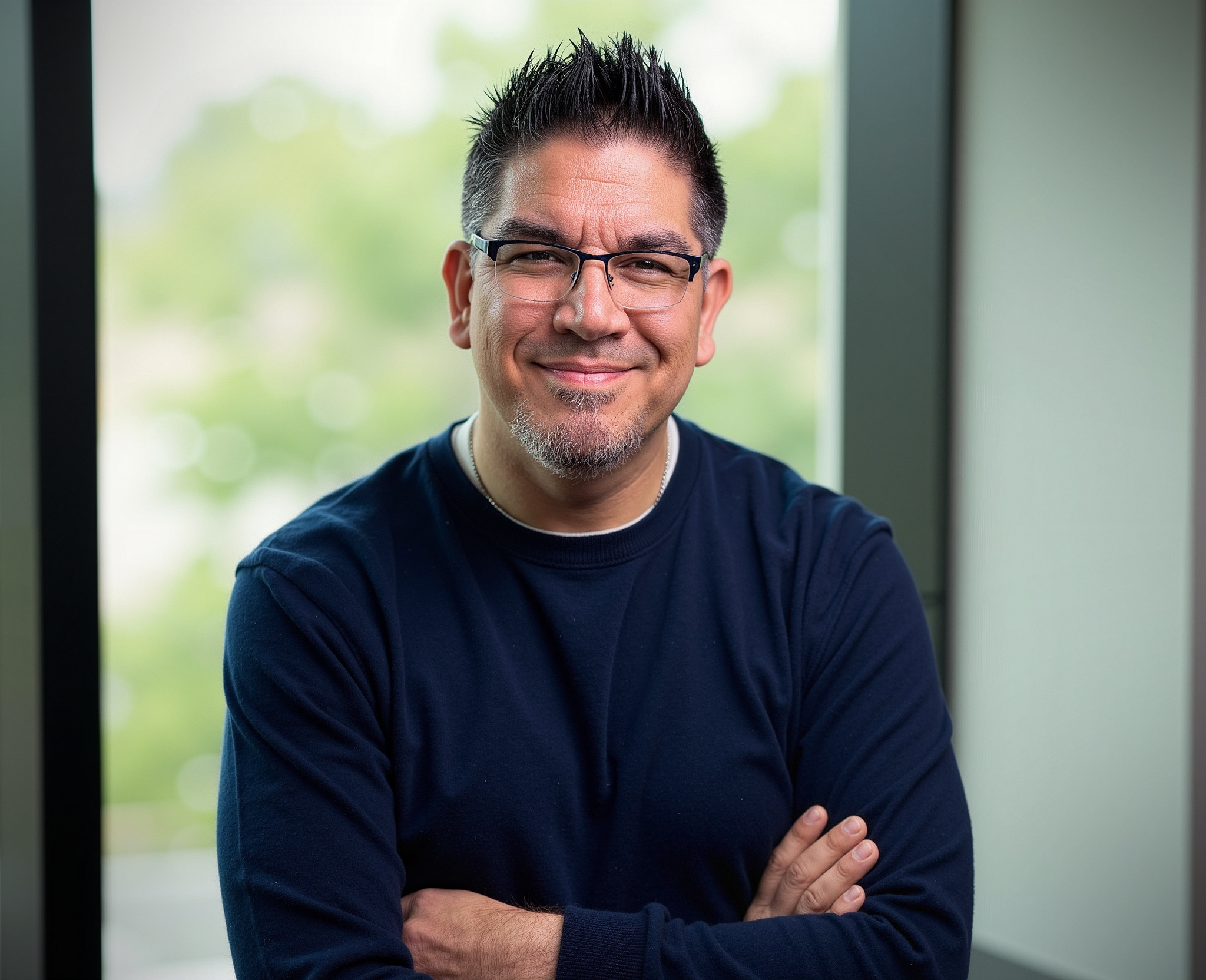
Aaron Ryan shares how a second-grade moment sparked a lifelong journey that led to writing 40-plus books, building a purpose-driven legacy, and staying true in a fast-changing world.
🎙️ Give A Heck Podcast
Real conversations about purpose, personal growth, financial stewardship, mindset, faith, and intentional living.
🎧 Episode Overview
Most people have a moment that quietly shapes the direction of their life.
For Aaron Ryan, that moment happened in second grade.
A classroom assignment, a blank page, and something that woke up and never went back to sleep.
In this powerful episode of the Give A Heck Podcast, Dwight Heck sits down with Aaron Ryan to explore what it really takes to build a life of creativity, purpose, and consistency.
From writing his first story as a child to becoming an award-winning author with more than 40 books, Aaron shares the mindset and discipline behind his journey.
This is not just a conversation about writing.
It is about
- discovering your calling and staying committed to it
- building a body of work that reflects purpose-driven growth and long-term impact
- navigating change while staying true to who you are
🔥 What You’ll Learn in This Episode
- How a second-grade assignment became the foundation for a lifelong writing career
- Why storytelling became the central thread across multiple creative paths
- What it actually takes to write and publish 40-plus books
- How Aaron approaches building expansive story worlds like Dissonance
- The impact of artificial intelligence on creative industries
- Why legacy matters more than output alone
💡 Key Takeaway
Your calling is often revealed early, but it is built through consistency, discipline, and the decision to keep showing up over time.
🔗 Continue the Conversation
If this episode resonated with you, continue your journey with these powerful conversations from the Give A Heck Podcast:
👉 Ken Kunken: Paralyzed at 20, Built a 40-Year Legal Career Anyway
A powerful story of resilience, mindset, and purpose in the face of life-changing adversity.
👉 Why Most People Never Tell Their Story (And Regret It Later) | Michele DeFilippo
A compelling conversation about legacy, storytelling, and why sharing your life matters more than most people realize.
👉 Alcohol-Free Leadership: How Quitting Drinking Unlocks Clarity and High Performance with Toni Will
An honest look at change, clarity, and what becomes possible when destructive habits no longer lead your life.
👉 Turning Grief Into Story: How John DeDakis Transformed Loss Into Purpose
A thoughtful conversation about writing, healing, and turning painful experiences into meaningful work.
👉 From New Age to Jesus: Dr. Laurette Willis on Addiction, Healing, and Truth
A powerful story of transformation, faith, and identity that challenges how we view purpose and direction.
🧩 Key Themes Discussed
- Purpose-driven creativity
- Long-term legacy and impact
- Discipline in writing and storytelling
- Adapting to change in creative industries
- Faith, identity, and personal alignment
👤 About Aaron Ryan
Aaron Ryan is an award-winning and best-selling author with more than 40 published books spanning science fiction, Christian dystopian sagas, young adult dark fantasy, paranormal thrillers, children’s books, poetry, and non-fiction.
He has earned Literary Titan awards, Readers’ Favourite recognition, and Amazon best-seller status across multiple genres. He is also an accomplished voice-over artist who narrates his own audiobooks and has worked with major brands.
Aaron’s work has expanded beyond books, with one story being pitched to major streaming networks and others earning recognition on the film festival circuit.
He is a speaker, panellist, husband, and father who is deeply committed to storytelling and legacy.
🤝 Connect with Aaron Ryan
🌐 Website
https://authoraaronryan.com/
📘 Facebook
https://www.facebook.com/authoraaronryan
🐦 X
https://x.com/authoraaronryan
▶️ YouTube
https://www.youtube.com/@authoraaronryan
📸 Instagram
https://www.instagram.com/authoraaronryan
💼 LinkedIn
https://www.linkedin.com/in/authoraaronryan
🎵 TikTok
https://www.tiktok.com/@authoraaronryan
🤝 Connect with Dwight Heck
🌐 Give A Heck Website
https://www.giveaheck.com/
🎙️ Give A Heck Podcast
https://www.giveaheck.com/podcast/
▶️ YouTube
https://www.youtube.com/@giveaheck
🎵 TikTok
https://www.tiktok.com/@giveaheck
💼 LinkedIn
https://www.linkedin.com/in/dwightheck
📸 Instagram
https://www.instagram.com/giveaheck
📘 Facebook
https://www.facebook.com/dwight.heck/
🙌 Final Thoughts
Sometimes the smallest moments shape the biggest outcomes.
Sometimes a simple decision becomes a lifelong path.
And sometimes the work you are called to do is not about recognition, but about the impact it creates over time.
📣 Listen, Follow, and Share
If this episode resonated with you, share it with someone who needs to hear this message. Follow the Give A Heck Podcast and leave a review to help more people discover purpose-driven conversations that can change lives.
Unedited Transcript:
Welcome to Give a Heck. I am your host, Dwight Heck, and for much of my life, lived my life in quiet, desperation wondering how I was going to pay the bills, take vacations, save for retirement, and one day wondering if I would get off the hamster wheel of life and have purpose, a life that most of society lives, which takes us to work, then home, then repeat, and pays us hopefully enough.
Just to survive the harsh truth that most live with more months than money and have no idea how to live life on purpose, not by accident. This ensures the mass majority are living not just financially broke, however, emotionally and mentally as well. Due to financial pressures and each episode, I will introduce you to thoughts, ideas, and guests that can help you to learn how you too can live life on purpose, not by accident.
Most of us have a moment we can point to a turning point, a decision, an experience that quietly set the course for everything that followed for today’s guest. That moment came in second grade, a classroom assignment, a blank page, and something that woke up and never went back to sleep. Welcome back to the Give a Heck podcast.
I’m Dwight Heck, and this show exists to help you live with intention on purpose, not by accident. My guest today has spent his entire life doing exactly that. Aaron Ryan is an award-winning bestselling author of 41 books. That number alone is worth sitting with for a moment. 41. His worth spans. Alien invasion fiction, Christian dystopian Sagas Ya.
Dark Fantasy. A Paranormal thrillers, science fiction, children’s picture, books, poetry and books on both self-publishing and fatherhood. He is earned the Literary Titan Award. Reader’s favorite recognition, Amazon bestseller status across multiple genres. And he’s also a voiceover artist who narrates his own audio books.
Now here’s the headline that would make any writer do a double take. One of Aaron’s books has been adapted for the screen. It is actively being pitched to major streaming networks right now. Two others have already earned awards in the film festival circuit. But what makes Aaron a great conversation is not just the output.
It is what drives it. He is someone who has had a to navigate real change, including what artificial intelligence is doing to the voiceover industry. He has spent years building and instead of stepping back, he has leaned further into the work, further into the craft, and further into helping other independent creators find their footing.
He is a speaker, a panelist, a husband, a dad, and by his own admission, taco Bell’s most dedicated customer. We’ll get into all of that now on the Give a Heck podcast. Aaron, it is great to have you on the Give a Heck podcast. Thanks for agreeing to come on and share with us some of your life journey. Yeah, my pleasure.
Thanks so much for having me. And I might I add that when you just hearing the name Taco Bell, like it’s just the taste buds erupt and I could taste the mild sauce right now. I’m like, would you excuse me? I’m gonna run out and just, that is awesome. Yeah, it’s been a while. My son’s got a hankering all the time.
The other, he’s home only a few days at a time. ’cause he works in Northern Alberta in the energy industry. And he’ll come home and I’m a late time worker. He gets up early five o’clock in the morning. He’s used to, ’cause they start sometimes 4 35 in the morning. And he messaged me when he was home last he said.
And, and I was actually, I’d just gotten up. I was about to get into the shower and he messaged me. It’s about, I don’t know what time it was. 9 30, 10 o’clock in the morning. ’cause I’d been up till three working. And he says, uh, dad, I can’t take it. The craving for Taco Bell is real. Yeah. I’ll talk to you in about an hour.
It is. And they, and they closed a whole bunch of them down in, in, in our city of Edmonton of 1.5 million people. There’s not in rural communities, but there’s been a lot that have closed down. And he had to, you have to drive like 40 minutes to get to one now. But he does it. Because he is got the Taco Bell hankering.
Yeah. And the, the hankering is real. And it’s something that you do, you just should not resist. But one of the things that really kills me is, I don’t know why they did this. They had the best thing, the best, the best food known to man ever invented by man. And it is the chili cheese burrito. I don’t know why they did away with it.
Uh, they brought it back like for a Scot last year for maybe a month or month and a half, whatever. And then they killed it off again. So it was kind of just like, you know, insult to injury. But I’ve tried to duplicate those and make them on my own with like, you know, a can of Nelly Chili and, and a tortilla and, and sprinkle, you know, shredded cheese.
It’s not the same. And it’s, there’s, there’s magic in there. And I don’t know why they got rid of ’em. It’s, it’s the secret. It’s the secret, right? How many re restaurants, how many restaurants, or how many wholesalers or grocery stores have things that you’ve gotten used to buying and all of a sudden they’re gone.
Yeah. Costco’s the worst for that. It’s innumerable. Yep. It’ll never stop. It’ll never stop. Well, that segue boy was great. I love it. Let’s go on now. Let’s go on now, Aaron, one of the things that I like focusing on as a person’s origin story, because really at the end of the day, we make so many decisions based on our earliest recollections and earliest learned behaviors that are instilled upon us throughout our life.
Right? So let’s go back to the start. Let’s start, we can. Let’s start when you’re seven years old sitting in second grade, right? Or you can start even earlier than that and tell us about that experience and you know, do you recognize yourself now today as that same person? I do, I mean, you know, in second grade, this is, this is the origin story that I share with everyone.
It was Mrs. Walker. Hi Mrs. Walker. I’m sure she’s deceased by now. But, um, she gave this assignment to everybody in second grade. I was not any kind of anomaly or, or special in any regard. We all received the same edict. Write a sci-fi story, you know, all you seven, eight year olds write the sci-fi story. So literally I stole a lot of things from Alan Dean Foster’s novelization of et total copyright infringement on my first attempt, uh, because that’s what I was reading at the time, and I wrote this story in, uh, three hole punch, college line paper construction, paper surround crude stick figure drawings.
I called it the Electric Boy and. You know, the story is one thing. It’s totally come full circle. And another story I wrote 45 years later, but I just remember holding it in my hands when I was done looking at it and going, I made this me, I did this. And it was an, it was a light bulb, you know, epiphany moment for me.
That was when I really decided, you know, being an author, uh, was what I wanted to do. But I think my mind was really blown. It was primed at least by, by that event, but it was really blown when I read the Lord of the Rings for the very first time. JRR Tolkien’s, Lord of the Rings, not necessarily the Hobbit and the Si is way above this, you know, P Brain in here.
But boy, the world building was exquisite. He took 15 years to write the whole saga, and it just blew my mind. It was so robust. You love the characters, you love the world, you love the stakes, you love the story. And I just was like, why not me? Now I’m no Tolkien, but I thought, why not me? You know, I could do that.
I could be a writer as well. So those are, that’s my origin stories of just, uh, of being an author. But I, I absolutely forgot, uh, this, and I stumbled upon an old collection of things that my, my mom had made from my wife before we got married. It was report cards, it was news articles, it was certificate of achievements.
It was pictures of me as a kid. And I had completely forgotten that when I was 10 years old. She collected the article from the newspaper. I get goosebumps thinking about it. It’s the Snoqualmie Valley record. Had a young author’s club, covered a young authors club at our school, and there’s me, there’s little Aaron Ryan in that newspaper, you know, huddled over a desk and, and writing something.
And I just, I had purged it from my memory. Somehow, but seeing it again, it was like, oh my gosh, the memories come flooding back. And I went, of course I’m an author. Of course I’m an author. So it was just, it was very cool to, to revisit that. Oh man, I can see the joy. Those, those listening jump over to YouTube.
Like the smile on Aaron’s face as he is sharing is amazing. He has a good smile to begin with, but the smile of just sharing that one moment was really good. Um, so thank you for sharing that. I think, you know, sometimes in life we don’t realize those experiences. Like you said, you were 10 years old and, and you only referenced or were able to index that memory once she seen something that your mom had made for your wife.
Um, at the end of the day, we have so many things that we forget or those people that were influential in helping us develop. Through your younger years, who was the most influential person in your life that helped you? Or, and stoked You obviously had that passion already at a very young age, like you said, token, he says, why not me?
Yeah. Who is your biggest actual mentor that you can think of that that always encouraged you, that always had your back? That was my mom for sure. Um, she could not draw a spaceship to save her life. Uh, I once asked her to draw a spaceship and she drew seriously a metal rhinoceros in space. Uh, we, we laugh about that to this day.
Like that’s no spaceship mom. Uh, but she was, she, she was the creative one dad, you know, a little bit like marginally creative, but mom was the one who was encouraging the right brain aspects. Of my development. Dad, I think was, and the left brain, you know, but dad was more left brain. Um, she was the one who I, I think I was a mama’s boy just by nature growing up.
So she was the one I would gravitate to for, you know, what do you think of this mom? And like, Hey, look what I made mom. And, you know, check this out, mom. But she was very encouraging every step of the way in a disembodied sort of way. I have taken great encouragement though, from Tolkien over the years, and I, I will reread Lord of the Rings every single holiday season, every single Christmas.
Um, because just drawing, just reading through it and pouring over his words that he just slaved over, the guy took four paragraphs to describe a rock, you know? Yeah. In Middle Earth. It, it’s a very real, tangible place because of the huge, intensive world building that he conducted. I love it. Some people don’t, but as you can tell, I’m a massive Lord of the Rings fan.
Love it. This is not the one ring. I’m gonna just go on record cc, I’m still here. Still here, but I love, I was so influenced by Tolkien. What was I reading? You read a book 150 times. Is that the one? Yeah, absolutely. So like I said, I do research to, I do actually pay attention and go through things because I, I, you know, as a side note, I know you’ve been on lots of podcasts, but I tell people now this podcast is, I’m, I’m the person that directs and dictates who’s gonna be on as a guest lecturer or guest speaker, a guest, whatever.
Right? So I always make sure I put in a lot of effort to ensure that that person is gonna train, educate, excite the number one fan of my, show me. Yeah. All right. And people say, what do you mean? That’s kind of ego creepy. It’s, it’s not creepy. It’s not ego driven. It’s just the fact that. Why would I invest all this money and time for a passion project that I don’t utilize for making money whatsoever?
I just do it to highlight and showcase the wonderful people on our planet. Why would I not want it to excite me? Because if I come across connected to you, then guess who else feels it? The audience. Yeah, exactly. It’s gotta be contagious. Yes. No, you, you did your, you did your research, man. You’ve got a lot of info on me that we covered in the pre-interview and stuff.
I, I would like my credit card number back, if you don’t mind. Can I use it a Taco Bell at least? Little bit of shopping and Taco Bell is fine. That’s the only place, it’s actually, that’s the only place that, that it’s the only vendor that that card is approved for. It’s a Taco Bell card. I would love it if they made one of those.
Man, I would just completely exceed the limit every month. I, I love it. I love it. Um, you know, I have comfort, things like that too. Fast food isn’t always the most healthiest, but I have comfort places. I like going, I like going for a good, um, hamburger at a and w in Canada. I don’t know if you have a w where you are.
’cause I know it’s right. Uh, Albert and Walter. Right. I get, I love it. Right. Grew up with it. I grew up with it at a time. ’cause about the same age where they still had him on roller skates and they put it on your window. And my parents, that was a treat for us. Once every few months. My dad still to this day, 85, he’s alive.
Love. That’s his favorite place. And he used to take us there. We’d be in the car and it, I’d hoped that I’d get that one of my sisters, ’cause I was the youngest, wouldn’t make me sit in the middle and I’d get one of the out outside seats because, you know, roll the window down. ’cause back in the crank window days and have that little put ’em on window there.
It was just like, yeah, no, I remember, I remember we had two different restaurants that are similar. One is Dick’s, uh, not dick’s actually. Um, well, Dick’s is one, but then there’s another one, burger Master. Uh, but also we had a Triple X, which was the same kind of logo, the barrel shape, you know, and it was just like the a and w and they took it down, I don’t know, a few years back, it was Issaquah, Washington.
We would go out to Leavenworth or to Eastern Washington and always hit the Triple X and it’s not there anymore. It’s just like, oh, why does time have to march on, man? You live in Washington. Well, south of Seattle.
You mentioned earlier and, and before we prerecorded, that you had that, the first thing you said to me, you had that mental struggle, right?
Doing audio, doing the voiceovers, or sticking as an author, and you went, oh, I’m an author again. You, you had to reaffirm that to yourself, which I thought was really cool actually, because, you know, as a musician, a performer, voiceover videographer with so many creative outlets to you. What really made that decision for you?
What keeps your writing central? You didn’t really explain that, and I’d really like to understand what keeps you drawn back to that? What, what is your anchor to, to writing over all those other things that you’re capable of doing? Well all. And I love the question because all of the, the different vocations that I’ve had in my life, not, you know, passing jobs or temp jobs, but vocations, careers, they’ve all had to do with storytelling.
And I don’t think that that’s some fluke or some accident or some happen chance. They, that’s where I best align. That’s where my gifts best align. So voiceovers, you’re telling someone else’s story and we’re talking all the way down to a ma and paw company, to uh, to, I’m currently the voice of United Healthcare.
So any of the commercials that you’ll see on the radio, uh, sorry, see on the TV or web or hear on the radio, that’s me. And I’ve been there voice for three years. I’ve done all the greats, Amazon Wrangler, Cadillac, Uber, enterprise, you know, Microsoft. I’ve done all of them in one way or another. So whether it’s public facing or internal, I’ve done them and I love it.
I love telling their story. But if I’m gonna put voiceovers in this hand and authoring right here, there’s nothing that holds a candle to telling my own stories. So this is a script that I’m, I’m required to read. It pays very well, or it used to, it’s, I mean, we can talk about AI’s effect on the industry.
It paid, paid past tense very well. This one does not pay well yet, but I’m looking for that script to flip someday, because right now it is voiceovers pays our bills and authoring is supplemental and one day it’s gonna go like this. I’m absolutely confident of that. There’s nothing that holds a candle though, to telling my own stories that have come from here and here and I’ve put them into print.
And then when I’m done, just like that 7-year-old, I can go look, you know, I made this, this is my story. And I got, I mean, I designed all this and I put it together in a box set. Wow. And the whole story from start to finish is, that’s beautiful. Actually. Even the, even the art, the artistry of the book coming out of the Yeah.
Of the, of the shell. So people listening, it’s got a case and he slides out from one side and, and the book he showings called The End, I believe. Can’t read Sub and I, my dissonance one I can’t read. Yeah. And dissonance. I can’t read the subtitle of the end. Oh, it’s, it’s, it is, I have to the complete dystopian Christian End Times Saga.
Yeah. And then these are all in one version. Like, so dissonance is all six books in one, and then the end is all three books in one. Oh, okay. Okay. Okay. I had them. Uh, thank you for explaining because people listening aren’t really understand. Yeah, right. Those on YouTube will get it. Forgot. That’s okay. I need, I need to do that.
I remember that. Yeah. It’s just holding it in your hands when you’re done is just, is such, it’s that 7-year-old boy again going like, I made this, you know? But I’m really interested in legacy. I love leaving legacy and here is the greatest legacy that I get to leave as a storyteller. And it’s not even mine.
I am every single day almost. I mean, with very little fail, uh, since my eldest son, they’re now 10 and six, but since Brennan, my eldest was, uh, two months old, I’ve recorded a daily journal from dad to my boys virtually every single day. Have I missed some days? Yes. You know, but I cannot wait to give that to them.
When they’re 18, 21, whatever, a record of their life, how much they were on my mind. Oh wow. How much I care about them and love them. And that is my greatest legacy and story that I’ve ever been able to tell. And it’s their story. You know, the nice thing is, and the nice thing is about that you can take all that journaling and write a book about it, and here’s why.
I just had somebody on that had been journaling for 20 some years or 30 years, a memo and they, yeah, a memoir, and they literally had. People begging her. Yeah, just give it to us. Let us put it together. You can add We’ll, we’ll we’ll help you do it. And she said she resisted for years and finally she broke down and now it’s a bestseller.
Interesting. So I’m not saying, so you have to do it. Not saying you don’t, that you have to do it, but you’ve given yourself a plethora of information. And I love the fact you talked about legacy. That’s what I help people do. Yeah. Living legacy. You worry about your, you don’t start building your legacy when you’re in your sixties and seventies.
You build your legacy from the moment you open your mouth and remove all doubt about who you are. Mm-hmm. Believe what people say they are. Right. Absolutely. Put yourself out there and what you’re doing for your sons. That’s your at 10 and six. Man. I can’t bel I can’t imagine. That must be really heartfelt for you when you’re doing it.
Some days it must get emotional. Absolutely. There are some that are a little bit more rigorous, maybe more mundane. You know, we didn’t, nothing special quote unquote happened today. Nothing, you know, world breaking or newsworthy. Uh, we didn’t go anywhere or make any specific memories. We just, it was a rainy day.
We sat and watched a movie. That’s the record of it right there. Um, but there may be something tied in their amygdala that later on they’re gonna go. I think that was the day when I learned to ride a bike. ’cause we watched the movie. I would record that though. That’s a stupid example. I would definitely record.
You know, today’s the day you learned to ride a bike. In fact, Asher is making such a concerted effort right now to learn to ride his bike. Brennan doing it for years. But Asher is, uh, a little bit more. Brendan is kind of a, a, a, a wrecking ball. And Asher the 10, the 10-year-old. Yeah. Asher’s a little bit more kind of, um, deliberate in his efforts, more cautious.
Uh, so it’s taken him a little while. But anyway, I, I’ll all that to say that I love recording this and I love being, I, I love the notion of being able to give it to them when they’re 18 or 21 and go, see, look at this huge thing, you know, it’d be awesome. You know, this one little thing you just shared with me tells me volumes about you because I study human behavior.
I’ve been doing it for 30 some years, trying to get better at my craft, right? Helping people live life on purpose, not by accident. And listening to you talk about that. And that passion tells volumes because we treat life the same way we treat our children if we are open-minded. Right? Mm-hmm. Not that children are better to be heard, not seen, you know, having conversations, being able, willing to be vulnerable, knowing someday that your children are gonna hear that, that speaks volumes about you.
Yeah. You’re give, you’re creating teachable moments for them to anchor back to when they listen to it in the future. To me, that is so powerful and such a great legacy builder. Well, I, I love it. I don’t know, I don’t know if it’s genetic or what, but man, I think we mentioned earlier, there’s virtually every vocation that I’ve had has to do with leaving a legacy.
So as a musician, a performer, a stage performer, I’m making CDs, you’ll be able to enjoy those for all time. Uh, music, you know, streaming music for all time. The journal, they’ll be able to enjoy that for all time. My books, for all time. I used to transfer videos to DVD and capture them to digital for clients for all time.
That’s their legacy. That’s awesome. I awesome to record. Uh, elderly peoples, you know, they’re. Their sons and daughters or grandkids would want to record grandma and grandpa for posterity’s sake in an interview and get their legacy captured on film. I used to record wedding videos, go out there and film weddings and all that stuff is just well videography.
Yeah, yeah. No more, no more. Especially for weddings, just but leading that legacy. Yeah. I loved it. Well, there’s so much, there’s so much fakeness at weddings, but I won’t go into the details of that. It, and you know, you’re in for that. When the bride is more excited about the wedding than she is about the marriage, there’s a big problem there.
Oh, absolutely. You can see, uh, things that fall apart. As a side note, ’cause my listeners of the last five years have privy talk about it, I, at one point in time and I stopped because I burned out, I did 837 daily live videos. And I posted them and I, I had a running journal of thoughts. I’d hear something tell my note.
Okay. I’d have clients reach out to me, my kids reach out to me. People that listened to it every day. And there were so many crushed people when I stopped because they, it would, it would be about everything, anything. Hey, hey dad, can you talk about this today? So when I first started it, probably the first couple hundred where it could be anywhere from five to 10 minutes.
Then I got challenged by somebody, and that’s an a, not AI but algorithm expert. And said, if you can get that to a minute or less, you’re gonna see, yeah, explosion. So guess what? I did it the next day. You have to be careful too, and have a time. I’d have a time, I’d have a timer right here. I’d have to, you know, the first couple were probably, oh my gosh, I got 10 seconds left.
Right. But yeah, I did 837 of ’em and it ranging from everything and anything. Right. Yeah. That’s a legacy too. Good for you. It’s, and I got 500 and some of ’em up on YouTube on a separate channel. So my kids are gonna have my book, they’re gonna have my podcast. They’re gonna have, there’s no reason that they, my grandkids, my great grandkids, can’t know who Grandpa Dewight was.
Great-Grandpa Dewight was. Yeah. So I love be trail to your, I haven’t done your, to your scale, but I understand it legacy’s important, right? Yeah. So thank you for that. Welcome. Let’s get into, welcome the cathartic Nature. Writing because I’ve gotten so many great responses. I know when I wrote my book, my one book against 40, not really a comparison, but it was very cathartic, five and a half months of me writing, editing, sending it up to the editor, they coming back, and sometimes I’d be, it’d get very emotional and I’d realize, wow, I never, ever unpacked that.
I never really celebrated that. I never really kicked myself in the pants for that. I never really, you know what I mean? Yeah. It was a heightened amount of motion, so I found it very cathartic. What has it been like for you, especially since you’ve been doing it so long? You always hear the same things I do.
Yeah. And, and I mean, every book is a rollercoaster of emotion in the writing and in the release, in the planning and the writing and the release. Um. Yeah. It, it’s just so my love language is giving, and I love being able to create something that I can actually give and hope that it does well, hope that it blesses people hope they just so enjoy it, you know, even a 10th as much as I do, um, it is very cathartic to write something out, to put it out.
And it’s always funny because when I’m out at a vendor market and I’m selling books, pe you know, I start describing some of the synopses from some of these stories and sagas and, uh, and I just published, uh, number 43, by the way, so I have to Oh, congratulations. Update your tally. Yeah, thank you. Well, I shouldn’t congratulations.
I, I’m, I’m postdating it or predating. It’s actually, they both come out on the 26th of this month, so, okay. Congratulations. There’s a, there’s a little, uh, a little fallacy there. That’s okay. But, um, yeah, I, I, they say, how do you have all this stuff in your head? And I say, well. I don’t, I don’t, I mean, ’cause all the books are right here.
I, I downloaded them or I offloaded them. So here you go. Um, it’s such a process of, of catharsis. Absolutely. Um, and great therapy to be able to take a germ of a thought that is fantastical in nature in here, in here. Marry it to paper, get it bound professionally, get it wrapped. Get a good, you know, people still judge a book by its cover.
Get it attractive and put it out there and go, oh, I mean, I love rereading my dissonance saga. One of the, um, one of the issues we have right now is it, with it being pitched to streaming networks, if it gets optioned or if it gets purchased and they wanna make a movie out of it, the, um, the screenwriters, the team of them will, they’ll, they’ll know it like the back of their hand and they’ll pick it apart.
And I really need to know it as much as they would or more. Preferably more so I have to keep it fresh in my head, even with me writing all these other stories and every time I plunge back into that world of dissonance, it’s a saga that spans from 2026 to 2045, and now with my Talisman series, which is a spinoff that takes it, uh, out into 2062.
Wow. Um, and, and it goes into the multiverse. The, the Talisman Series goes into the multiverse. So plunging back into it again, there, there are people that I love, fictional people that I love, who I ha whose birthdays I have on my actual real life outlook calendar. Perfect. I take my, my fictional characters’ birthdays Yeah.
Are in my real life outlook calendar. They’re that real and they’re that attainable and tangible and I love spending time with ’em. But, but, but they are you. They are offshoots of me. Absolutely. They’re my creations and babies. Yeah. So, so, so that warm and fuzzy feeling, when you see it come up and it’s one of your character’s birthday, like that’s, that’s fantastic.
I think that’s, that’s a great reminder of your creative drive and that maybe is something that leads you back to the writing side all the time. Definitely. Regardless of income, right? Because you, yeah. Well it’s, it’s passion first. You also sound, yeah, you also sound passionate about the voiceover stuff too, but obviously not as much as a passion.
I see. Um, in regards to writing. So before we move on, what would you say out of all the 41 books. Whether it’s a series of three or five or what, what is your absolute favorite? Do you have a favorite? Yeah, it’s such a hard question. Um, because they all are, you know, and it’s like if they’re your, if they’re your kids, like you don’t pick a favorite kid, you know, you have a favorite.
I mean, yeah, yeah, of course you do. If we’re being really honest here. Um. It’s really hard to decide between two of them. So one is the last chapter of my Christian dystopian saga. The end, it’s called The End Omega. And there’s so much redemption, so much heart, you are going to cry. Um, it’s, it’s very impactful, the End Omega.
But vying for the same spot in my heart is a a nine 11 historical fiction thriller called Forecast, uh, where a man is struck by lightning. He lives in 2001. There’s no time travel, uh, in Jersey City. Struck by lightning imbued with powers. He doesn’t know what to do with. He’s able to then see the future.
And completely prevent nine 11 from ever happening. Um, completely rolls back, uh, all of the events and, and sabotages the plans of the, of the terrorists, um, in motion. And, but there’s so many Easter eggs in forecast. There’s so much time jumping. It’s not a time travel book in, in the sense that we’re not going from 2026 back to 2001.
He’s jumping between days, uh, in that timeline, or he’s being propelled through days. There’s Easter eggs, there’s um, uh, little clues that I put in. I also went from first person to third person in one chapter and back to first person because he splits personalities in order to get everything done.
Spoiler. I know. But there, that really required a lot of creative writing and forecast, so probably forecast. Sweet. That is. Thank you for sharing that. Um, and imagine as you, as you continue on your journey. That could change. We never know, you know, the, the past isn’t indicative of what our future’s gonna be.
Right. It can be an indicator, and currently you’re living the future and your response is this, but who knows, right? Yeah. As your kids age more and you write other things, all of a sudden it, it doesn’t take the value away from what you shared with us. It just, something else is all of a sudden in front and center and, and, and the others are in the rear view mirror still available.
Still. You can see them, but now you got the windshield and that things have, yeah. Your, your vision and, and ability to see forward can change. So, but thank you for sharing that. I don’t think people realize, especially if you’ve never written a book or even journaled or like journaling, um, doing a blog, doing articles, whatever.
It’s, it’s very enlightening because pen to paper, or even typing for me, typing something, my thoughts, that little seed, like you talked about, and I’m watering it. It literally opens up a plethora of other things. It becomes that, that thought is a spider, and then all the other things, the web, right? It just fires off.
And, and I think differently, and I have more aha moments. It actually, by writing things down or my thoughts, or even creating this for the podcast, it literally keeps my creative juices flowing, right? Yeah. And I love being in that zone. I love being there. Yes. Yeah. You kind of marinate in all that creativity.
I, I believe, as a creator, like I’m not gonna go all religious and stuff, but I love that God is a creator. And I get to kind of experience a little bit of that, that creativity gift. And this is why I know you, I, we’ll probably talk about this too, um, totally up to you. But Yeah. Um, but AI is, is. For creators, uh, surrendering that ability that God-given ability to create and outsourcing it to a chip is so controversial, so polarizing such an incendiary topic and it’s something that the only, the only AI usage I’ll do is for maybe idea generation.
Um, I will never structure my narratives and, and entrust a computer to write the story for me. Um, I love the ability to create. There’s something so like, wow, electrifying as you’re doing it. That’s just so, um, it’s unmatched by anything else? Well, when you’re writing and being creative. I don’t know if this happens to you, but even myself, I find time stands still or it moves forward Oh yeah.
Without me. And all of a sudden I, I, I’ll look and it’s three hours later and it’s like, yeah, what? The sun’s already set. It’s dark. I even forgot to turn the light on and I’m just working away. I don’t know. I just did a video on that too. Oh, did you? What the, yeah. Oh wow. Cool. That’s fantastic. So, you know, yes, absolutely.
We can, since it’s been brought up, it doesn’t matter where, where the, the conversation is about ai. I see it so many times and, and I see it not just for writing books. People use it to develop a website. They use it to develop this and do that, and, and they, and when I say a develop, that’s what they’re doing.
Yeah. And one of the conversations we had on that radio show I was getting interviewed on this morning with the other two guests is the fact that, are you using it as an, an agent or an assist, or are you using it to. Think for you to do. For you. Yeah. It, it can’t be you no matter how hard you try. Anybody that really knows you can read something and know this.
What, this isn’t him. Yeah, I got, this Isn’t him. One of the, the best phrases I’ve ever heard came from an editor and I, I wish I had noted down her name. I just saw it yesterday or the day before. She said, are you using AI to write this? If so, I beg you to stop. I cannot bring out your voice if it’s not there already.
And I just, I, it’s so spot on Now. Tools and supplemental tools for idea generation or like I love, I love using manuscript report.com. It’s a great service that I can upload my finished manuscript through, and boy does it get me all kinds of results back in under half hour or an hour. All the relevant keywords, all the search strings, all the themes, all the comp titles, all everything I need to know about my book from an.
Uh, an outsider perspective, a a thousand foot view, like zooming out, it’s all there. And that’s a fantastic AI tool, but creation is something totally different. Generative AI is something totally different. Yeah. It’s, and, and it’s here to stay. We can’t escape it. Like that guy told you his name, um, Daniel, when he was talking about it and his expertise and, you know, it was, it was amazing.
He says, you can either get on board or he says, it’s just like anything in life. Where are you gonna be? Right? Right. Are you gonna embrace it If you don’t, and you know, let’s say he’s an example. I can’t remember exactly the, what, what career was, was, or whatever, whatever it is he says, you know what? You either gonna figure it out and be part of moving forward as one of the solutions, A person that can survive, or you’re gonna be irrelevant.
And by the time you realize you’re irrelevant, it’s too late. You’re just right. And, and he was more specific than that. And ’cause that’s his topic, that’s his, his, his delio, his specialty. But at the end of the day, I think AI has a place. It does. It’s just that right now, it is so immature in, in what it does.
It lies, it’s deceitful, it ad-libs. It does so many different things. And the reason I say that people that are watching or listening do not believe everything that that tells you. All it’s done now is given a bunch of keyboard warriors even more ammunition to be jerks on social media too. Yeah. Yeah.
They post stuff from ai, see, this is what AI says, and I’ll just, uh, what? Yeah, well remember the sensation. Did you read before you posted? The assassination of Charlie Kirk last September. Yeah. Yeah. So he got assassinated and, and, and Tyler, I can’t remember his last name, but the assailant, the alleged, you know, give him the credit of the doubt.
But, uh, the alleged assailant, there were pictures of him grainy, taken by security cameras that were then amplified by ai, and then they’re making assumptions with actual human figures who had nothing to do with the assassination, but because they resemble what AI thinks, Tyler un grainy Tyler looks like they’re guilty by association.
And so they say It’s this guy, it’s this guy, it’s this guy. And it’s, it’s, this is an ai. Rendering and a guesswork at what it, what it thinks it’s seeing. Um, yeah, it’s, it’s not based in truth. It’s algorithmic. It’s all kinds of, you know, plumb lines vary and stretch and bend their elastic, and people make all kinds of assumptions.
What I hate about ai, aside from the generative, uh, e effect and the, the, the net effect that it’s having on both authoring and voiceovers is the dumbing down of society. The proliferation of AI slop on TikTok and Instagram and Facebook, and all the socials. Uh, you don’t even know what videos are real anymore.
Well, here’s the thing is you see a, you know, you see this aerial view of a coastal town. It’s beautiful. It looks convincing, it looks real. There’s a boardwalk with people shopping with their little Gucci bags, and they’re just, everything looks, la la, la. Happy, happy. Yet no one happens to see, you know, a mile offshore.
Here’s this, you know, 400 foot tsunami bearing down on this coastal town. And so it comes in, it inundates the town and overwhelms it, destroys the town. And then you look at the comments and you see people going, oh, those poor people, you know, and they’re, oh, I just read that and go, are you serious? You think that’s real?
There just needs to be legislation that says that this is fake. Well, they’re, they’re, they’re dumbing down. The emotional IQ of many, many people is, is lower than it’s ever been in history, in my opinion, just because of, of, uh. People post and they don’t fact check anything. And then when they do fact check it, they’re using AI and they don’t.
And the question they ask is, confirmation biased, right? Yes. Yeah. They’re looking for AI to answer it the way they think it is. They’ve already, they don’t even realize that one word can make a difference. And the questions they ask and then they spew it out and, and more and more. And they wonder why people have so many mental challenges and health issues.
Like, my goodness, I wonder why. Yeah. Like, it’s just unfortunate. So let’s go into your, you know, your dissonance. Is that pronounced right? Yep. Okay. Your flagship series. Six books. Alien Invasion, pokes, apocalyptic. And I was reading about this last night getting excited because I’m a sci-fi person. I just love it.
Multiple words. For someone who has never read it, what does that, can you tell us a little bit more about that world and what were you trying to do that you couldn’t do in just a standalone novel? Right. Right now I’m holding up my six book box set. This is the six book Saga in a box set. That’s beautiful.
Yeah. Did it turn out glorious? Like I just, again, it does, it looks really good. Really good. This is again, the, the 8-year-old, or 7-year-old. Like, like, look, see what I did? It’s just, it’s so cool. It is cool. It really, ultimately, dissonance is a story that the very word dissonance means, you know, lack of harmony and, and contrasting or clashing notes.
Uh, it’s the lack of, it’s the absence of harmony and it’s, it’s essentially strife in its place. Um, dissonance really boils down to a story about brotherhood and fraternity and us getting along. And, uh, when I wrote volume one, I really just intended to write a singular novel. My favorite movie of all time is Aliens, 1986.
James Cameron. I’m sure it is yours as well. I love it. And so I wanted, I, I love aliens. I just can’t help it. I wanted to write one. By chapter four, I believe it was. I, I always forget to look this up and just, you know, get this story straight. I think it was chapter four called LoJack. I realized, oh my gosh, uh, not LoJack, sorry, uh, on patrol or something.
I realized there is a greater story, there’s a subtle undercurrent of a greater story running here in tandem with the existing surface story that you’re reading. And I remember sitting back in my chair and going, oh my gosh, wow. There’s something huge that’s going to happen with this story. So before I knew it, with these parallel threads just continuing to evolve, it ballooned into a, uh, trilogy that then demanded two prequels and a sequel.
Wow. The story kept telling itself, and I have to be careful when I say that ’cause that sounds very much like ai, but there was just, I kept mind finding new things to mind. And, you know, character development and backstory. I love working on Backstory, but it just became something that was, you call it flagship series.
I would call it the same thing as well. It is my best writing. It represents my best research. It represents the themes that are so dear to me in justice is huge. My wife and I have been cyber stocked. Um, injustice is huge. Uh, hope is massive in a lot of my novels ’cause hope is the last thing that you have left when everything else has been stripped away.
Uh, it’s the one thing that’s stronger than fear. President Snow said that in the Hunger Games, and that’s, they’re very pervasive issues that people can relate to. So, uh, it’s turned out really well and I’m so proud of it. I’m not surprised at all that they’ve taken Volume one and, and adapted it for the screen and are pitching it.
And I’m gonna knock on wood and say hope they make it into a movie. Yeah, I was gonna ask about that too. Um, but before I ask about the screened adaptation, how many times has writing books, even this series, which is, which is one of your babies, um, would you say that it kept you up too late or woke you up in the middle of the night with a thought?
How many times? Uh, boy, it can be, it, it can be infinite. That could be the answer. Yeah, it could be. Well, well the word innumerable can cover either like too little to remember, or too many to remember. I’m sure that it was many, um. Honestly, not so much waking me up because my mind, I, I do allow myself to sleep, but when I’m out and about and I’m driving and doing errands and stuff, I’ll think of things all the time or watching a movie and thank God for smartphones where you can just email yourself an idea that you, or a plot development that you, you’re gonna need to incorporate and then you, you know, you get to it when you get to it.
So, but I was, my mind was on it all the time. Even going back and plunging back into the story headlong again, you find little things that like, you know, oh, this would be good to flesh out just a little bit more. And so I’m not George Lucas everything and adding CGI where it doesn’t belong and stupid music videos in, in Java’s Palace.
But, uh, I remember that adding the things that need to be there. Yes. Well, and that’s great. Um, so that being said, you able to control and get some good sleep? That’s a good thing. I know sometimes they’ll, I’ll wake up in the middle of the night. Have to use the washroom. It’s not even necessarily I woke up ’cause of the thought, but then I’ll have a thought about something about a client and what, how I’m helping them or a thought about maybe an article I wanna write or what I want to, ’cause I’ll do solo podcasts the odd time.
And you know what? It’s just weird how our brain works when we’re sleeping. ’cause it never shuts off. Right? It doesn’t, it’s always, it’s, it’s always cycling. Yeah. So when we come to, let’s touch a little bit again on the ai. We didn’t, if you were to talk to somebody about AI and it creeping into your industry right now, which it has, it’s quite prevalent now.
Not just writing books, but writing newspaper articles, writing anything. What would you tell people to avoid that? Like we talked about assist versus creation and that, is there anything specific that you, you would say, to give advice to people about AI and how they could, you know, utilize it better and not get overtaken by it?
Yeah. Well, to jump back first, I, I remembered a quote I wanted to share. It’s such a good quote. Okay, sure, sure. Um, about that brain never shutting off. Um, there, and I wish I could remember, I think it was an author who also said this, but they said, everything that happens to you is a resource. Totally agree with that.
Everything that happens to you in, in your life as an author, as a resource. So I’m drawing upon absolutely all these things that have happened in 52 years of existence and channeling them somehow in some paragraph in some way. But anyway, such a great quote. I, you know, I like that though. Before we move on, then you, you talk about the fact that’s when I was telling you about my 837 videos, I’d be watching a show or I’d be reading something and all of a sudden I’d get this light bulb moment, Ooh, that could be a great one minute video.
I’d put it down. Right. So I wouldn’t have that brain fart and it’d be gone. ’cause sometimes the resources are unlimited around us. We just Right. We’re, we’re so visually deaf. To, to notice it and then an auditory depth to hear it, to put it down that I don’t, I don’t take a chance. You gotta get it down. I have, I have a Pixar memory.
I have 10 and six year olds. I remember what happened yesterday and I remember everything in Pixar movies and that’s it. So I’ve lived at it more. I love it. I love it. I you’re so blessed to have two, two children, especially at that age. Every day is a new adventure. Every day is another memory. And, and, and by you journaling about it, I just, I, yeah.
Gives me the warm and fuzzies. So they’re my whole earth. I wrote a book called You Are My Whole Earth, A Daddy’s Love for His Sons and it’s nonfiction. Yes, I read. Yeah. It’s, it’s such a personal, it’s such a personal, vulnerable, transparent look into our family and, and being a daddy and stuff, but that’s, that’s perfect ai.
So. What would I say to someone with ai? So I, I’m the admin of three different Facebook groups. Um, they’re all authors and writers in some respect. Uh, I’m also a member, a proud member of the Author’s Guild, and I contribute to, you know, various questions and, and things and issues that pop up on Reddit and Quora and things like that.
Um, and. It’s so, it’s such a hard thing to deal with because you’re right, it is the elephant in the room. It’s not gonna go away. In some senses, there are, there’s such a benefit and an advantage to the tools that AI presents to us. For example, in the medical community, man, if AI can, if you can get an AI equipped leg, if your leg was blown off in Desert Storm or something like that, and now you’ve got AI to give you a, a, an artificially intelligent leg so you can walk again, all for that, all for that when it is used.
However, in the generative sense to replace creators and creation, I think you’re doing society a disservice because of a number of reasons. It’s trained on the backs of creatives like myself, without any remuneration, without any consent, without any accreditation. Those are three big, massive problems.
Now, Val Kilmer, I just saw an ad or an article for, he’s appearing in a movie posthumously, uh, that I think they may be filmed a little bit of. Maybe, but ai, and this is the, at the consent of his daughter and at the express wishes of, of Val Kilmer prior to passing that he appear in this movie. So he knew that he’d be brought back via ai.
He was okay with it. So I’m okay with that ’cause Val said Okay, but Ian Hol being brought back in Alien Romulus as a new iteration of Ash, the Android. Now he’s called Rook. It was totally cringe worthy ai and he’s not alive to give consent to that. I think his estate did, but he’s not alive to consent to that.
I have a big problem with that. So if you are an author and if you are, uh, wanting to write a book, I get that you’re having. Um, uh, writer’s block. Uh, I get that you’re struggling with how to write it with more finesse. I get that you wanna put it out into the marketplace and you wanna share it with people, this dream that’s here and here.
But be yourself. Everyone else has already taken Oscar Wild said that everyone else represents all of the other authors on which AI is trained. Be yourself. Bring your own unique voice. Don’t take the, the, the road less traveled and the cheaper, easier way out. Just because it’s cheaper and easier doesn’t make it the best thing.
In fact, what did Ian Malcolm’s, uh, sorry, Jeff Goldblum’s character Ian Malcolm say in, uh, in, uh, Jurassic Park. He said, yeah, but your scientists were so preoccupied with whether or not they could, that they didn’t stop to think that they should. And it’s such a great phrase that you can apply to AI because yes, we could do it, but should we have, it’s replacing creators, it’s replacing relationships, it’s replacing intu, um, uh, inventiveness and ingenuity and forward momentum and creation.
So write with everything that’s in you here and here. Be your unique voice. That’s what I could say. That’s a great response. We don’t have a lot of time left. Um, as I mentioned. I do this for the odd person that comes on. Um, I have like multiple other segments of stuff I wanted to break down with you, but I’m gonna jump forward because we don’t have much time left.
I wanna talk about faith, family, and the full picture. ’cause to me, faith is a very, very important my, my Christian faith. Um, and it, it helped me as a single dad raising five kids full time. It helped, it’s helped me through a divorce. It’s helped me through so many hills and valleys. Um, so And your faith runs through a lot of your works, right?
Yeah. Some, sometimes right under the surface, sometimes more underneath. How has it shaped what you choose to write about and as the relationship between faith and your storytelling advanced and changed over your years of writing? Yeah. Uh, so my faith will predominantly come out overtly in nonfiction, uh, because that, you know, like you are my whole earth, very definite, uh, references to, uh, to Jesus, to Christ, to the Lord, to God, to faith, to my growth, to salvation, um, to actual biblical references that are in there.
However. When I finished writing Dissonance, which again is six books, I was immersed in it. I was very convicted because there is marginal profanity here and there. Um, I wanted verisimilitude. We don’t live in a profane free world. Uh, if people, if a gorgan, that’s the aliens. If they’re gonna come eat you, you don’t go, oh, shucks.
You know, you might say something else a little bit more colorful. I wanted veracity in what I was writing. However, that being said, that was redundant. Uh, I will never use the F-bomb. I will never take the Lord’s name in vain with GD or jc. I will never needlessly put any, you know, drugs, sex, bullying. My, I don’t need that.
My readers don’t need that. But with the marginal profanity of maybe the sh word, if a gorgan is coming to eat you. Yeah, I was very convicted by that. Very convicted. In fact, the afterward of dissonance, volume one reality, I addressed that. So I was finished with dissonance and I literally felt God calling me to write clean Christian fiction.
And that is where the End was born, which is a, a Christian dystopian saga about a man who thinks he is the antichrist of revelation. He’s not. Wow. He’s a deluded techno trillionaire who happens to be in power. And it’s not a political referendum at all. It is just an end times scenario with a twist. But there’s, there’s tremendous redemption.
There’s tremendous, uh, there’s salvations, there’s hope, there’s faith, there’s actual scripture in, plenty in there. And I was very inspired by the Left Behind series, the fictional left behind series of the nineties. Uh, so I, I’m very proud of how the end turned out. That’s how, that’s where my faith really, and my love for Jesus and salvation really made.
Its, uh. Made itself known and clear is in the end. That’s awesome. Thank you for sharing that. Yeah. There’s so many people though that I hear they use the Lord’s name in vain all the time. OMG, right? Yep. Mm-hmm. Saying JC all the time. You talk about cursing, you talk about swearing. There’s people that you, it’s their daily language now, and they think there’s nothing wrong with it.
They, I literally have clients, have family members that do that with their kids. They don’t even care. That’s just part of life, right? Yeah. They used to be so hard growing up with you dad. We weren’t allowed to say OMG. We weren’t allowed to say jc. We weren’t allowed to say the SHIT. Where we’re, I said, yeah.
Okay. Did you ever hear me say that stuff? Well, not the JC or the OMG, but once in a while you would say other words. I said I It had to be pretty bad though, didn’t it? Yeah. Yeah. Well, now you might curse a little bit more than we did when we were kids. Yeah, because your mental mindset’s set. And once in a while I’m pissed off and I drop an F bomb.
It’s real. Right? But I appreciated you sharing that. ’cause so many people don’t realize the power of the word. Yes. And if you’re faith bearing and you’re Christian using his name in vain, like in me and my Catholic faith, you’re breaking a commandment using the God’s name in vain. Yeah. Using it in a, in a wrong way.
Or, or, or you’re not, you’re not, uh, what’s the word? You’re not uplifting. Right. You’re, you’re allowing evil, you’re allowing negativity into your world. So I appreciate that, that you struggled with it. I did. And, and I appreciate God talking to you after the fact. Sorry. I, it’s the only one I’ve ever felt called to write.
That is awesome for that very reason. Awesome. But it’s, couple that with what we talked about earlier, couple it with legacy. I’m leaving a legacy in print. Do I want to leave a legacy rife with profanity and cursing and you know, red writing so to speak. I want it to be readable and I want it to be enjoyable and not have people get hung up on that.
Well, even my podcast, I had somebody I recorded with yesterday says, or was, couldn’t even ma I’ve been batch recording the last couple weeks since one of them said, you know what, I never asked you ahead of time if I could curse. I said, well, depending on what it was, what it is, go ahead. It was SHIT Big deal.
Yeah. Right. And everybody’s got a different gauge of what Yeah. Profanity and cursing is right. So, you know, I gotta have you back on brother because we, I, I look at the time and I always wanna respect other people ’cause I wanna respect me. So the last two things, Aaron. First and foremost, do you want to share a little bit more information about those two books and then we will wrap up with the last question?
Yeah, sure. Well, dissonance. Dissonance is a six book Alien Invasion Saga. Um, it is, it basically starts in 2026 and goes to 2045. It’s 1800 pages of, of, of thematic depth, of fear, of hope, uh, of brotherhood and roller coaster. Awesome. Yeah. I’m so glad how it turned out. The end is a Christian dystopian trilogy, uh, that is all about, you know, rebellion against a totalitarian despot, uh, and restoring.
It’s, it’s all about God’s victory in the end. It’s all about God’s victory in the end because you want to have, that’s awesome. Yeah. So I actually have my 6-year-old who just wandered in here. Um. And that’s the end. But there’s so many others. You can always find all of them@authoraaronryan.com. And so you can kind of get the descriptions there.
But all, all of that’ll be in my show notes for those new to the Give a Heck podcast. Um, you’ll go in and I do very detailed show notes. You have to go check it out to see what I’m talking about. There’ll be chapter summaries, there’ll be, there’ll be all your social media links. There’ll be anything specific that you’ve talked about.
I’ll make sure, ’cause I do the show notes myself. I fired that person already three years ago. I, I just can’t let other people do it for me. So, right, that yes, it takes more effort. Yeah, I could be using that time to make more money or do other things, but I enjoy it so. Yeah, it’s fine. Times are relevant if you enjoy and have a passion and it makes you feel good.
So I’ll make sure all that information’s in there in regards to how people can reach out to you and find out about your book. We’re gonna have to have you back on, ’cause I really wanted to talk to you about Tolkien. Right. I really wanted to dive more in deep into that. So we’ll have to get you back on again if you can squeeze out some time for me.
But the last question I’m gonna ask you, and we’re gonna wrap it up, Aaron, if you could leave one thought with the person listening right now who has a creative gift they have not fully leaned into yet. Someone who keeps waiting for the right time or right conditions, what would you tell them? I would tell them one of two mantras that are just so formative and driving for me.
The first one that’s probably more, more appropriate to your question or applicable to your question, comes from a movie I like to pretend does not exist. Star Wars one, the Phantom Menace, um, silliness abounds in that movie and just, but whatever a young, uh, a GaN gin said to a young Anakin Skywalker, your focus determines your reality.
Now, when I watched The Phantom Menace, when it first came out right over my head, I mean, it was, it was just more dialogue and white noise. But something clicked when I heard it again in, you know, the late aughts and was like, wait, what was that? You know, rewind it and I played it again. Your focus determines your reality.
My focus over my careers has been to do this and that, and they’ve become reality. My focus now is to have authoring. Pay for our mortgage, have authoring, buy our car, have authoring, put our kids through school. And so that will become reality. That is the focus that I’m making it. So that is a, you know, adopt a mantra for yourself.
Uh, we talked about one earlier, Oscar Wildes, be yourself. Everyone else has already taken. But also a great one is your focus determines your reality. If you wanna be a full-time author, focus, do everything you can. Keep it front and center in your head. You can do it. JRR Tolkien did it. Why not you? Well, that’s, that’s awesome.
I appreciate that. So, is there any last final comment or a give a heck thought that you’d want to leave before I wrap up the show? I, I’d give the other mantra. I mean, we’re talking about, uh, about giving a heck so, man, as a creative, we are putting things out there that are extensions of ourselves that we can be hurt by when people don’t accept them or they, uh, they, you know, rail against them or whatever, they throw the baby out with the bath water.
’cause the book didn’t have a person named Christina in there and they love Christina and whatever. But this other phrase that I have that’s another mantra, says, someone’s endorsement of you, or lack thereof, has very little to do with your trajectory. I love it. So note that down. The, the reviews will come.
The purchases will come. The, uh, you know, appearances and opportunities to share. Those will all come. That’s your trajectory. Let all the naysayers and the, the bad vibes and the bad press bounce off you in the meanwhile. Wow. What great. Two closing messages. I really appreciate you and I hope I have the pleasure of getting to have another conversation with you, so Me too.
Thanks so much. I’m gonna close up the show. Erin, I wanna take a moment though before I let you go, because I think what you shared today de deserves more than a quick thank you and a good goodbye. What strikes me most about your story is not the output, it is the intention behind it. You write because you don’t write, because you have to.
You write because you have the drive, the desire, the need to do it. You create because it’s who you are, it’s your being, and you share because you generally believe a good story can change the way someone sees the world. As we you’ve been sharing, I think that as we’re celebrating, I’m proud of you, brother.
Like I, I’ve met a lot you of people I’ve interviewed, a lot of authors. Wow, you’re gonna stick with me forever, right? Right here, right? Thank you. Fuzzy feeling. So thank you so much. For anyone listening today who has a story inside of them, they have not told yet. A book, maybe a business, a creative dream they want start pushing to, and they always have that.
Someday I’ll do it. I hope this conversation was the nudge you needed. Erin is proof that someday does not have to stay someday. Mm. For our listeners and viewers, thank you, not just for tuning in today, but for caring enough about your own growth, your own story, to keep showing up for conversations like this one, that is not a small thing.
If this episode moved you in any way, share it with someone who needs to hear it, not for the numbers because there’s a real person on the end, other end of that share who might be exactly where you were before you pressed play today? Subscribe on your favorite platform. Please leave a review if you have a moment and know that every single one of those things helps to show further reach the people that need it.
Aaron, thank you again for being on Give a Heck Podcast. I’m rooting for you, brother. I am rooting for this streaming deal. I have a feeling that this is not the last time our path would cross. As I mentioned, I sure hope it’s not to everyone else. Until next time, live life on purpose and not by accident.
And remember, it’s never too late to get a heck.