
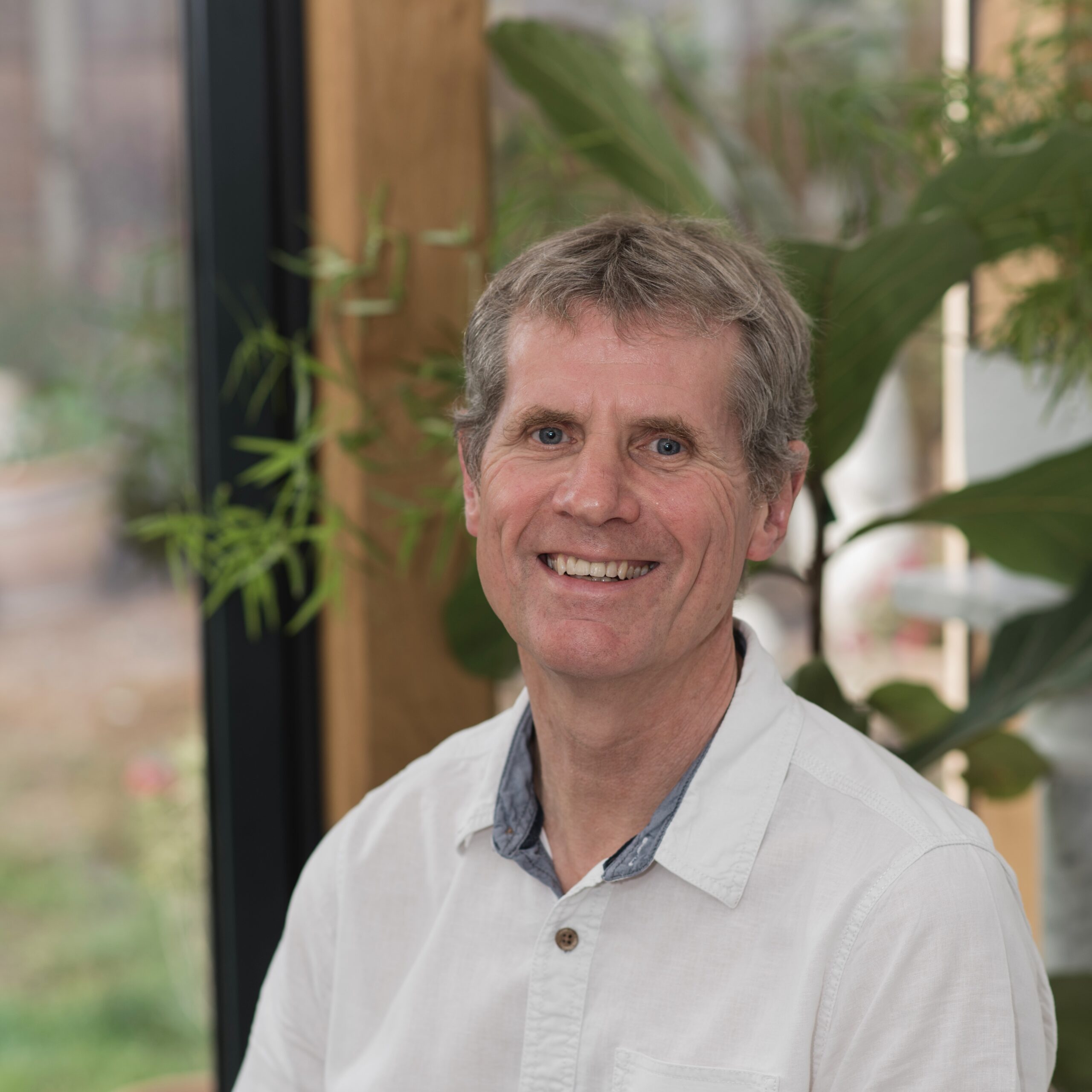
Struggling with digital overload? In this episode, digital wellbeing expert Colin Corby shares practical digital detox strategies to help professionals reclaim focus, balance, and human connection.
Technology was meant to make life easier, yet many professionals feel mentally exhausted, distracted, and permanently on-call. Productivity hacks and screen-time limits often fail because they do not address the deeper issue of how technology reshapes identity, attention, and human connection.
In this episode of Give A Heck, Dwight Heck sits down with digital wellbeing expert Colin Corby to explore what a real digital detox looks like. This conversation is part of the broader Give A Heck Podcast, where purpose-driven guests share practical insights on mindset, wellbeing, and intentional living
This conversation examines digital overload, burnout, AI, communication decline, presence, and intentional living, offering practical insight for professionals who want technology to support life rather than quietly control it.
🎧 In This Episode, You Will Learn How To:
- Reclaim focus without triggering anxiety or fear of missing out
• Set healthy digital boundaries that protect sleep and mental well-being
• Understand how digital habits shape identity and attention
• Reduce burnout by changing environments instead of relying on willpower
• Navigate AI without losing creativity or human agency
• Rebuild listening skills and face-to-face communication
• Use intentional rituals to restore balance and clarity
👤 My Special Guest Is Colin Corby
Colin Corby is the CEO and Founder of Technology Wellbeing Ltd. and the creator of The Digital Detox Coach.
With more than three decades of experience in the technology sector, Colin has held leadership roles at British Telecom International and contributed to major telecommunications advancements, including early digital cable systems across the Atlantic. He holds degrees in mathematics and technology and combines technical expertise with deep insight into human behaviour and wellbeing.
An endurance athlete and master swimmer, Colin uses physical challenge, discipline, and community as anchors for resilience and balance. He is a TEDx speaker and has been featured on BBC Radio 4 and other international media platforms. Today, his work focuses on helping individuals and organizations build healthier, more intentional relationships with technology.
🕒 Chapter Summaries
00:00:02 – Technology, Wellbeing, and Human Identity
How technology shapes attention, identity, and human connection beyond productivity.
00:02:20 – Early Career in Telecommunications
Colin’s early exposure to large-scale technology systems and performance pressure.
00:07:10 – Health Challenges and Endurance Sport
A personal health wake-up call that reshaped Colin’s relationship with balance and resilience.
00:10:48 – Leaving Corporate Life
Why professional success without wellbeing eventually becomes unsustainable.
00:12:19 – Sport, Community, and Learning
How physical challenge and community counteract digital overload.
00:17:26 – Master Swimming and Self-Competition
Why competing with yourself builds sustainable motivation.
00:22:15 – Balance, Stress, and Health
The physiological cost of constant stimulation.
00:27:07 – Human Connection and Longevity
Why meaningful relationships are foundational to wellbeing.
00:30:18 – Technology and Presence
How constant connectivity erodes attention and emotional resilience.
00:32:31 – AI and Digital Amnesia
The risks of outsourcing memory and thinking.
00:33:51 – Growth Requires Reflection
Why silence and stillness matter for personal growth.
00:37:29 – Communication Decline
How digital habits weaken listening and empathy.
00:39:05 – Relearning How to Listen
Why listening has become rare and how to rebuild it.
00:41:34 – Practical Presence Challenges
Simple ways to encourage face-to-face interaction.
00:46:27 – Sleep and Mental Health
How evening device use disrupts recovery.
00:49:21 – Pain as a Catalyst
Why discomfort often precedes change.
00:51:30 – Boundaries and Environment Design
Changing surroundings to reset habits.
00:54:36 – Focus and Rituals
Why single-tasking restores clarity.
00:56:26 – Recognizing Overuse
Seeing unhealthy patterns through others.
01:02:34 – Technology as a Tool
Reclaiming agency over digital life.
01:05:10 – The Power of Presence
How presence strengthens relationships.
01:07:07 – Old-Fashioned Communication
Why calls, notes, and in-person conversations still matter.
01:11:18 – Online Identity
The danger of curated self-worth.
01:15:09 – Authenticity and LinkedIn
Performative professionalism versus real leadership.
01:19:30 – AI and Human Agency
How AI reshapes creativity and connection.
01:21:24 – AI as Support
Using AI without surrendering judgment.
01:24:18 – Control and Society
Long-term implications of digital reliance.
01:26:23 – Investing in Human Skills
Why empathy and adaptability matter more than ever.
01:27:02 – Why Digital Detox Matters
Detox as stewardship, not rejection.
01:31:35 – Giving a Heck
Purpose, tenacity, and intentional living.
01:38:30 – Boundaries for a Purposeful Life
Choosing presence over distraction.
🔗 Connect with Colin Corby
🌐 Website: https://thedigitaldetoxcoach.com/
📰 Substack: https://colincorby.substack.com/
📘 Facebook: https://www.facebook.com/techologywellbeing.coach
💼 LinkedIn: https://www.linkedin.com/in/colincorby/
📸 Instagram: https://www.instagram.com/the_digital_detox_coach/
📺 YouTube: https://www.youtube.com/channel/UCFEsyL9jyOaqIHAWmVwkjzg
📬 Connect with Dwight Heck
🌐 https://giveaheck.com
📘 https://facebook.com/dwight.heck
📺 https://youtube.com/@giveaheck
📸 https://instagram.com/give.a.heck
🧵 https://threads.net/@give.a.heck
💼 https://linkedin.com/in/dwight-heck-65a90150
🎵 https://tiktok.com/@giveaheck
✨ Final Reflection
Digital detox is not about rejecting technology.
It is about reclaiming attention, agency, and purpose.
When technology dictates availability and identity, life becomes reactive. This conversation is a reminder that focus is not found by doing less, but by choosing better. Better boundaries. Better rituals. Better engagement.
Technology should serve human life, not replace it.
Companion Episodes(Click guest name to access show):
Many of the principles Colin Corby discusses about reclaiming focus and reducing digital overload align with other conversations on the Give A Heck Podcast, including this powerful episode on journaling and mental health transformation with Michele Novack, where practical strategies for improving mental clarity and emotional well-being are explored.
Colin’s emphasis on changing environments to restore focus also connects directly with this conversation on how physical environments shape productivity, habits, and well-being with architect Talor Stewart.
Reclaiming attention and presence is deeply tied to mindset discipline, as explored in this mindset mastery and resilience episode with Troy Horne, where intentional thinking and personal growth are central themes.
Full Unedited Transcript:
00:00:02 – Dwight Heck
Welcome back to Give A Heck podcast. I’m your host Dwight Heck where we focus on helping you live life on purpose and not by accident. My guest today works at the intersection of technology, well-being and human identity. A space every one of us is navigating whether we are intentional about it or not. Colin Corby is the CEO and founder of Technology Wellbeing Ltd. And the creator of Digital Detox Coach. He is the technologist with over 30 years of experience, a TEDx speaker, digital well being and leadership coach, endurance athlete and a trusted Voice featured on BBC Radio 4, BBC Whales and leading podcast. Today’s conversation is not about abandoning technology, it’s about. It is about reclaiming focus, energy and humanity in a world designed to fragment our attention. Colum, welcome to the Give A Hack podcast. Thanks for agreeing to come on and share with us some of your life journey.
00:01:09 – Colin Corby
Thank you very much for inviting me.
00:01:11 – Dwight Heck
Yeah, I’m excited. For those that are familiar with Give A Heck podcast or those new to Give A Heck podcast, we had such a wonderful pre conversation before I hit record forward, you know, buckle up, you’re going to enjoy this conversation. Colin is a great communicator so I look forward to him sharing his origin as those are new familiar with the show. No, I focus on and learning some of the knowledge and experiences from others, especially across the pond. Like we talk about it all the time. It is. I’m blessed. Thank you so much again, Colin. So before we go anywhere else, always like as I mentioned to you before we hit record, start at the beginning. Our origin is. Is so important and so many people don’t give it the do it deserves. Yes, our, our past is not indicative of the future but it leaves signs, right? Our past leaves signs and it leaves little indicators and where we’ve had forks in the road and where we’ve made these decisions and sometimes it’s we don’t acknowledge it. So this is your time to shine. Colin, would you please share me your origin stories? Whatever you feel comfortable at whatever age up to where you know you’re young lad starting out in business.
00:02:31 – Colin Corby
So I’m from the. I’m from England in the United Kingdom. I live in a very old town where I still live in the town where I was born and I’m quite old is all I’m going to say.
00:02:50 – Dwight Heck
You’re seasoned.
00:02:51 – Colin Corby
I’m seasoned. I’m seasoned. So I’ve lived in this town, I’m part of the community and so I feel a connection with where I live when I Was growing up, there wasn’t great wealth. We’re about 50 miles from London and there’s wasn’t great wealth which is a great thing because you all mix together. But very early, early on in life I thought well, I’d like, I’d like to achieve more. So. So where my drive comes from is my beginnings where my parents house was quite small. How do I, how do I get a nicer house? How do I get on in life? So I have had that drive and when I was a teenager, looking back I, I like to be part of a crowd but I didn’t mind standing out either. All my friends smoked but I chose not to and they were okay with it and I thought well that’s okay, that didn’t hurt, I didn’t have to smoke. And in those days if you swore a lot then that gave it away that you come from a more working class background. So as an early teenager I decided not to swear, just to see what would happen and automatically assumptions were made in terms of my background, who I was, my status, and that was really interesting. So I left school at 16 because in those days you did. And my parents said look, the best advice we can give you is be an apprentice. So I chose telecommunications. My elder brother chose gas and he became a gas engineer. I became a telecoms engineer. But as an apprentice I learned that actually I wasn’t going to earn enough as a, as a technician to fulfill the dream of having my own home and improving myself. So I studied hard, I took some competitions and I ended up being a manager in British Telecom International at the age of 21. I could have gone to university because I also did a competition for that. But I worked out that after my degree I wouldn’t be paid as much as if I went straight into being a manager. And so I started working with British Telecom International. Now I was quite a shy person and going to London, I’d been to London before but now I had to commute to London so I had to learn how to be a manager. I had to learn how to conduct myself in that type of environment and that was, that was quite tough. Everybody had degrees. I didn’t have a degree so I studied. We have the Open University in the United Kingdom. So I, I got a mathematics degree, correspondence and then I studied some more and I got a technology mastership. So throughout my technology career I’ve always tried to challenge myself because in my goal was wouldn’t it be great if I had a much nicer house than my parents wouldn’t it be great if I was financially better off. And so that was really the driver for me in those early years and I had a great job. I was working on projects which was the first digital cable system across the Atlantic which landed in the US and Canada. I was involved in the first, the projects which associated with the first transmission over digital satellites. So it’s a wonderful time to be in technology. Fantastic people. And I was working really hard and I was commuting and I started to pass out of work which was a bit worrying because I had a young family and a mortgage and, and it happened on quite a few occasions. My heart rate would increase to the point where I saw stars and would pass out. So I thought well this isn’t good. I had lots of tests, nothing found. And then I thought well what is it I can do? And what I could do was get fisa. So I started swimming and my motivation was well, if I’m passing out and if my heart rate is going higher I should, I should train my heart. So I went to the swimming pool because I, I live by a river and a river estuary. I’ve always been good at swimming and I swam 50 meters of a swimming pool and I was wrecked, absolutely wrecked, totally unfit. But for me it was a tipping point. I had to do something. So I persevered. I got fitter, my heart got fitter. The stress which wasn’t talked about in those days, my resilience to stress improved. But in the process of getting fitter I learned all the swim strokes. In my mid-30s I started racing, swimming, racing and then the triathlon club said hey, would you like to, you know, swim at our training sessions? And I said yeah, I won’t have to do the cycling or running. No, no, no, you won’t have to do that. They lied. They asked me to look after a bike and then they entered me to for a triathlon. So I started doing triathlon. Now I am a reasonable swimmer but the cycling and running I’m, you know, I can just get by. So I have to do the longer triathlons because the swimming’s longer. In the end this idea of being getting fitter in the way that it changes your mind about what you can and can’t do. I ended up doing four Ironman triathlons another really, really silly ones. But the swim was really quite small, quite short. It was 2.4 miles. The cycle was ridiculous. It’s 112 miles and the run was marathon. So I, but I always used to refer to the run as a run, walk or crawl. And it all had to be done within 17 hours. So I was challenging myself in a fitness sense because I had to, to cope with stress. But that sort of opened up enormous possibilities. So a friend of mine, he left British Telecom International at a time when they were downsizing, they were asking for volunteers and he went to do a degree in artificial intelligence. And I thought I’d love to do that, but I wasn’t ready. So for the next three years I got myself ready and then I left British Telecom. I’ve worked with lots and lots of different technology companies since because overcome the, the fear of, of moving on. If you work for a big institution, you get institutionalized. And it took me three years to, to undo that. And then finally I had a chance of leaving the corporate world in. I was around about in my mid-50s. And I love technology, I love science fiction as well. I love this idea of mindset that sport gets you and then why am I spending so long on my phone? So in 2018 I thought I’m not going to do another corporate job, I’m going to do something I enjoy. And I created the Digital Detox Coach and Technology Wellbeing. And that’s really a vocation because understanding technology, I still love technology, but I know we got to the stage where it’s really important to be humans as well and our future depends on us being human. So really that’s in a nutshell.
00:11:55 – Dwight Heck
My story, I, I love it. I wrote, I wrote down quite a few little notes here. One of the things I liked, just at the end you were talking about sports. And I look at sports as being a focused discipline, right? Depending on what it is, they all have their discipline, they all have their structure and they give, they give community, right? Like you were swimming and then all of a sudden now you don’t have to be on the bike, but get over here, right? So you know what I mean? It develops a community where they felt that you deserve to learn and grow more. So they use, utilize community and connection to get you to do that. And the evolution of that was a structure in a community that literally, I know people that don’t like, let’s say the health issues, but they still have that commonality of their, their, their, their lads, the people they spent time with, swimming, cycling, whatever, it creates a lot of structure. But one of the things that I also caught though, when you talk about technology and your love for technology, I’m the same way and, and I love science. I’m a science freak. I Love. I’m the guy that was growing up reading Popular Science, Popular Mechanics back when magazines were still a thing that came to your door, right. Which they don’t necessarily anymore. I’d be the kid reading through all that stuff and. But technology is ever evolving. So you have sports on one side that’s structured and community driven to keep you in some senses grounded and, and physically healthy, which helps our endorphins and helps our, our cognitive thought processes. And then you have science that’s ever evolving and it can be a, ebbs and flows and hills and valleys. Like that’s a pretty, that’s a pretty good life in my opinion because you’ve got the structure, community, you’ve got something that’s going to always feed your brain and grow. Not that the sports can’t feed your brain, but it does it in a different way. And I find that just intriguing to learn more about it because most people as they, as they age, they’re, they’re not looking, they get camped in their mindset. Right. But if you’re a technology person, it’s impossible to get camped in your mindset, isn’t it?
00:14:16 – Colin Corby
It is because technology is currently doing things that I read about 10, 15 years ago. Because the great thing about science and science fiction is that you can imagine a future and a lot of things we have today have already been imagined, so they’re not entirely new. And with sport, if you’re presented with well, you know, can I do something? Well, in sport you say, well actually I know I can do all these other things. This is very similar. Yeah, I think I’ll have a go at it. It just opens up the horizon. I remember someone saying to me, oh, there’s a 10 mile race. And my biker said, you can’t do the 10 mile race, you’ve done no training. So I worked out, I said I do a lot of swimming, I’m quite fit, I reckon I could survive a 10 mile race. And I did. So it, it opens up your mind in terms of possibilities if you’re in touch with what you can do.
00:15:31 – Dwight Heck
Well, that, that achievement, right. When you, you know, like I think about even when you were talking about swimming that short distance and you were out of breath and you know, at the end of the day we may think to ourselves, oh my goodness, can I really do this? But every day that you strive to try it again and you’re like the little engine that kid, it could, that gets you get an extra meter quicker or you’re not as out of breath, it affects Your mindset to that we can accomplish anything.
00:16:06 – Colin Corby
But the interesting thing about the swimming was I could swim as a youngster. All the schools, local schools, had small swimming pools because we went next to water and obviously a lot of children drown. So all of the local schools had swimming pools. I was a good swimmer. In my mind. Part of my identity was when I was at school, I was a good swimmer. So that was part of my identity as a child. And then I got into the swimming pool and I was absolutely terrible. So it’s almost like, do I have to accept that that’s in the past, or can I be a good swimmer again? And I had the opportunity through masters swimming to do lots of competitions at county level, at national level, and I even swam at the European Masters Championship when it was held in Stratford in the uk. Not because I had any chance of winning, but I made the qualification times. And that was wonderful to swim in the Olympic swimming pool, you know, with the different countries, the flags.
00:17:20 – Dwight Heck
Oh, yeah, yeah.
00:17:21 – Colin Corby
It was, it was fantastic to do that.
00:17:24 – Dwight Heck
But why do we always think we have to be number one? Why. Why can’t we just enjoy the journey or the experience? Like, that’s what I’m hearing from you. I can see the joy in your face.
00:17:33 – Colin Corby
Yeah. And I, I, as a master. Master swimming. You’re not an age group swimmer. You’re not going to make the national team, the Olympic team, and all that sort of thing. There are different age groups, and you compete in your age groups. And speed, really, you’re competing with yourself. You’re challenging yourself. And I still swim, and I’m racing on Saturday, and I’m still challenging myself. I’m not as fast as I was, but I think I can get a bit faster than I currently have. Wow.
00:18:09 – Dwight Heck
But you know what? You’ve just told your brain that you can do it.
00:18:13 – Colin Corby
Absolutely.
00:18:15 – Dwight Heck
You’ve spoken the truth that you want, not the truth that others think.
00:18:19 – Colin Corby
And if you train and if you work hard, you can improve. And swimming’s a technical sport, so you can also improve if you execute better.
00:18:32 – Dwight Heck
Oh, it’s just. Even podcasting and you and I talked about before we hit, recording is just introversion and, and learning to communicate and practicing it, being a good conversationalist. It, it’s, it’s. It’s exercising those muscles. Whether it’s a thought, emotional, physical muscle, we can always do better. What are you telling yourself, people that are listening or watching? Do you. Are you telling yourself that you can’t accomplish and you can’t grow? Or are you Telling yourself I can get a little bit better. This is where I am now. But I think I could still push myself like Colin did just said. That’s telling yourself that you’re never going to be camped.
00:19:12 – Colin Corby
I have a joke I use. Of course, as you get older, the number of competitors reduces. So if I’m lucky and I stay in good health, I reckon I can be the British champion in the 100 to 104 age.
00:19:35 – Dwight Heck
Outlive your competition. Outwork them. Outwork them and outlive them. Right, that’s, that’s perfect though, you know, and that’s true. Right. What’s, you know, I look at my industry and I look how many people through attrition or like through retirement or if they just can’t cut it and they quit and people say, what’s your secret? I just, I’m not a quitter. Quitters never win. Winners never quit. So I just, I wanted to get better. Now, if the passion isn’t there, then obviously go find something else because life’s in session. This is not a dress rehearsal to stay doing something you hate. It doesn’t make sense to me, but I just keep on climbing and keep on repetition, take the little baby step, learn just like you’re talking about getting better. And then outlive your competition. Outwork your competition. Right. And, and, and really, when you think about it, are they competition? Like you said, we’re, we’re our own competition, right?
00:20:32 – Colin Corby
Absolutely. Absolutely. I, I once never finished a swimming race and, and it was a shame, but the race was cancelled and I was picked up by a lifeboat, one of the last people to be picked up from the sea. But there was a riptide and everywhere everyone went out to sea, so they had to abandon the race. And I was one of the last people to be picked up. So that’s the only race I haven’t finished.
00:21:01 – Dwight Heck
But not by choice.
00:21:03 – Colin Corby
No. They, they were going to go. They needed to go to a barbecue. Everybody else, you know, your race is over. Do you mind?
00:21:14 – Dwight Heck
Yeah, we’ve got some ribs on the, we got some ribs on the Barbie. Let’s go. Right. You know what, though? It’s. Thanks for sharing that. Because people that have the unreal realistic expectations that we can accomplish and finish everything in life and that there’s no hurdle that we’re going to hit that’s going to slow us down. And that’s okay in some ways to have that mindset, but in other ways you’ve got to realize that, hey, hey. Sometimes it just, it’s out of our control. We don’t have any control of it. Right. And we just gotta smile about it, share with people. Like it hasn’t been 100% this is what happened. Right.
00:21:55 – Colin Corby
But that’s, and it’s, it’s going to happen. But I’ve been quite fortunate in, in generally always getting to the end.
00:22:05 – Dwight Heck
Yeah, that’s fantastic. I want to touch a little bit on, on that swimming that short distance that you swam and you left you breathless and overwhelmed. But you also said that eventually doing all this helped you with stress reduction and just being able to cope far better than you had prior. So what did this moment reveal to you about people in general and how untrained they are to deal with their own stress?
00:22:35 – Colin Corby
See, I, I didn’t think I was unfit or terribly unfit. I, I wasn’t overweight, I didn’t think I was unfit. But when I swam those two lengths, my heart was racing and that was the issue I had at work. So I clearly was unfit. And what that tells me about other people really is that we can get wrapped up in our work, especially if it’s exciting and, and we’re working with great people and we, we can imagine that somehow it’s going to be all right. We, we can do these things. But in actual fact, everything has to be in balance. So I, I had got out of balance between what I needed as a biological human and, and I wasn’t satisfying those needs. So I was working hard, enjoying my job, but I was neglecting my own health. Now I was lucky. I, I considered myself lucky. Having that warning at that point in my life to say, hey, the body’s saying, do you know what you really need to get back into balance? And so what I help other people is it’s all about balance. We’re biological humans. If we’re out of balance, if we don’t get enough sleep, if we don’t eat the right food, if we don’t work hard on ourselves, then we’ll be out of balance. Now the effects might not be in the next couple of days, apart from sleep. If you don’t sleep couple of nights, you’re going to be wrecked, but you’re going to have problems down the line. So it’s the long term effects. And exercise is one of those examples. Good diet is another example. Use of technology, which is why I’m fascinated by the use of technology because it’s a, it, it can create enormous benefits for us, but we, it’s a tool and we’ve got to be in Balance. So the discipline that I’ve learned along the way helps me with that balance and then communicating the balance to other people.
00:24:59 – Dwight Heck
And I love how you bring up balance. Those listening or watching, you can, you can disagree with it, but really, at the end of the day, if you neglect certain areas of your life and you use excuses because I hear people like you mentioned about, you know, work, people get caught up in things, so they’ll get caught up in work, they’ll get caught up in drama of their own life, and they let other things slide. And. And you’ve probably maybe experienced this yourself. I’ve done it before. Oh, there’s to. I’ll do it tomorrow. I’m so caught up and excited about what I’m doing. That part is not important enough. So we, we poo poo, or we look at other things and say, you know, that’s, that’s not, that’s not important enough. And that balance you speak of is integral. Can it be specifically balanced and equal? I don’t think so, but you still have to have. What I mean by that is, after flexibility, some days I can’t go do what I need to do. Right. It just, it’s impossible. I can try pulling a rabbit out of a hat and I wouldn’t accomplish it, and I can’t pull that out of my hat that day either, so. But we need to think, though, and structure our lives so that we have, like you said, sleep. I’ve had sleep experts on more than one. I had a famous sleep. Oh, yeah. I think sleep’s so misunderstood. Misunderstood. Nutrition exercise is great. Without proper sleep, your body doesn’t heal properly. It doesn’t function properly. The last sleep expert I had on was a doctor that has clinics all across the US Amazing what I learned from him. And I implemented some of those things immediately. That was over a year ago. It’s already helped me in my sleep. That’s how important I think sleep is. Having more than one sleep expert on. But at the end of the day, that balance of sleep, nutrition, exercise and what did we miss in there? Right?
00:27:05 – Colin Corby
We’re missing. We’re missing connection.
00:27:07 – Dwight Heck
Yes. We’re missing connection and our six inches between our ears. It’s so important.
00:27:13 – Colin Corby
Yeah. There was a lovely study or a report by the U.S. surgeon General. I think it was about the loneliness epidemic in. In the US and, and he said, well, we’re the most connected humans ever. But why, why is there a loneliness epidemic? And the reason is that our communication online is not. Instead of having real connection with other people when we have real connections with other people, it makes us feel safe. We’re social animals, so we’re part of a tribe. It reduces stress. And there’s been longitudinal studies again in the US and one of the factors of having a happy and long life is those connections with other people. So, so that’s one that we missed. Connection with nature.
00:28:07 – Dwight Heck
Oh, it’s huge. Going for a walk. Just go for a walk. Look at the trees.
00:28:15 – Colin Corby
Well, the thing is we breathe in, I don’t know, thousands, millions of bacteria and fungi when we’re in nature, or even getting our hands dirty in the garden. We’re improving our guts. We are improving the microbiome in our guts. And it seems that it’s incredibly important and the science is just taking off on that, but it’s amazingly important. So nature’s got lots of things going for it. It’s the wonderful aspect of you can take as much or as little as you want from a natural environment. You feel calmer and all those things. But, and, and you’re improving your, your microbiome as well.
00:29:00 – Dwight Heck
That’s awesome.
00:29:01 – Colin Corby
So that’s, you know, there’s, there’s so many things about. Once you spend time to get in touch with yourself as a combined mind and body, then it opens, opens you up to all of the experiences in the real world, not just the online world. It’s a virtual world. It’s a facsimile, a very small part, the real world. But if you can experience the real world, it offers so much more and other people, other animals and those sorts of things.
00:29:35 – Dwight Heck
Connection. Yeah. So connection to people, but connection to nature, as you mentioned, like going hiking, going on a good, going on a good hike where you’re escaping the technology world. I’m not saying technology is bad, but sometimes you need to escape all the, all the clutter and the noise that comes about from other people’s opinions, their keyboard warriors. It doesn’t, doesn’t necessarily be conducive to proper growth, but if you go out and you go on a hike and you’re in nature and you see the birds like I have, I’ll use my own house as an example. I have my whole wall on this side of the house is all windows. It’s. And I see my big 4,000 square foot backyard and I watch the squirrels and I watch all the birds and, and stuff like that, it makes me happy. And then if I go outside and I’m doing yard work and as you mentioned, and you’re doing things that are physical, it does it changes, it changes how I feel about myself, the satisfaction of, of the nature around me, being able to take care of my outside yard and, and not have all that clutter that the technology world can bring. And I’m not saying technology is bad, but it is, it is. It has been eroding, though. And that’s things I wanted to ask you about your opinion about how technology has eroded that connection, that communication, or the ability for people to actually stand on their opinion as opposed to just clicking it in and hiding behind a keyboard. Like, could we. Let’s talk about that, please.
00:31:14 – Colin Corby
There is, there is a context. So the context is that as a species we’re becoming more specialized. But what I mean by that is that I’m not exactly sure of the statistic, but a vast majority of people live in urban environments. So we don’t farm our own foods anymore. We’re actually living this construct, which is an urban environment. And technology is an extension of that. So now we’re living in virtual worlds where we can communicate with anybody. We can create any model that we want to do. So we’re becoming very specialized in that aspect. And that makes our resilience as a species, it makes us less resilient because we’re totally dependent for our food accommodation, our power, our resources in this urbanized technology world. And it’s just modern world, that’s where we. That’s where we live. So the downside is, well, how are we going to try and build in some resilience? Some of that resilience is looking after ourselves as biological animals. Some of that resilience is making sure that we don’t forget that we need to be connected with other people and nature, and also that we don’t fall into the trap of thinking of ourselves like the latest technology we’ve created. So what I mean by that is we’re not software and hardware like a computer. We’re an integrated biological animal. So we shouldn’t think of ourselves like software and hardware. And it’s that with technology, it makes everything easy so that we don’t have to try so hard, we don’t have to work so hard. With AI, it also does some of that thinking. So now we don’t have to think so much. We already know, we don’t have to remember as much because we’ve got Google and there’s a lovely thing called digital amnesia, where we know where we can get information. But now with AI, it can do some of the thinking. So some of the skills that we have we may not need so what does that leave us with? So what I encourage people to do is to say, well, okay, you shouldn’t lose sight of all of the things that you need to do for yourself. You need to learn things by doing things yourself, not just rely on the technology. Remember that sort of point where you could theoretically just let technology do so much for you, but it will leave you empty, it will leave you with nothing.
00:34:20 – Dwight Heck
And yeah, I can see that. I look at all the people that like. It’s alarming. I haven’t read any studies lately, but it’s alarming how much screen time people actually do on a computer or television. It doesn’t even have to be a computer. It can be even nowadays, how many people read books on technology? They’re not even, it’s not even a physical book. And I’m not here to judge anybody. But too much time on technology and not being in, living in reality, it’s a huge disconnection issue. I see that as well with even communicating with business people or my own children and, you know, oh, just fire me off an email. Well, okay, we’re talking right now. Why can’t we just have that conversation? But the default is, oh, fire off an email. Send me a messenger, send me something on WhatsApp. Well, let’s talk right now. Like, yeah, art of conversation has become far too digital. I can understand why it’s important, right? And, and there, there’s a time and place for that email message, but there’s a time and place for a conversation. I’ll, people will say, well, just text me and I’ll go, well, how about we jump on a call? Oh, I don’t have time for that. Well, what do you mean you don’t have time for that? Right. You have to make time to have conversation. And that’s back to that connection that we need to have with people that so many people are hiding behind technology and figure that they have to be online all the time in order to be in the know or to succeed.
00:36:09 – Colin Corby
Well, there’s a couple of things there which I find interesting. A lot of people who use technology a lot, they don’t practice speaking to people as much. And then it becomes one of these things. Well, if I have a conversation, I don’t know what they’re going to say, or they might disagree with me or I, they might expose me because I don’t really know what I’m talking about or all of these sort of fears because they just don’t practice having those conversations. So a lot of people are much prefer to have messages or emails because they don’t, they don’t have that exposure, that fear because they don’t practice.
00:36:51 – Dwight Heck
They don’t have to put themselves out there.
00:36:54 – Colin Corby
It’s a hard thing if you meet someone for the first time. Anything could happen.
00:37:01 – Dwight Heck
Oh yeah, of course, absolutely anything.
00:37:03 – Colin Corby
They could become your next best friend but you just might not get on or it just might not work out or there’s a lot of risk in talking to people. But we’re social animals and, and we’ve got to put the work in and some of our communications are going to go badly wrong. It’s just one of those things. And a lot of our communications will be okay and some of them will be fantastic. I mean how, how are you going to meet your partner in the future if you’ve, if you’ve lost the skill of communicating? Currently reading a book which is saying that it’s a perfect storm because there’s more loneliness. The take up of AI companions and girlfriends is huge.
00:37:54 – Dwight Heck
Well, they’re using it for, they’re using it for psychology too. People are using it as a mental coach or whatever. And some of it’s scary. Really.
00:38:06 – Colin Corby
Yes.
00:38:06 – Dwight Heck
You think about it, right? It’s a regurgitation and it’s very confirmation biased based on questions. Which is what I was gonna, which was I was gonna interject when you were talking about how much of our communication fear is because we’re never taught how to ask good questions or how to present that question in such a way that it’s, they don’t feel like they’re being challenged but that you’re inquisitive, that it, you’re inquisitive and you want to know, but how many times do people take offense to it because they don’t know how to ask a good question. They don’t know how to be a word. Smith.
00:38:45 – Colin Corby
And also our attention spans have been reducing because the use of technology, it’s very sort of instantaneous short duration videos. So our attention spans and research has shown attention spans have been reducing certainly over the last 10 years to very short attention spans. So our ability to be able to just focus on one thing, a conversation with someone else, our ability to, instead of saying what we want to say, to listen. And that’s, that’s quite a hard skill to be able to listen to somebody else. And so those skills that may have come very naturally because that’s what everyone was doing all of the time. A bit like going down to the gym. It’s what we have to now work on because technology has taken some of that away from us. With all the great things technology does for us, we now need to do lots of other things for ourselves to keep all of those connections and those skills.
00:39:56 – Dwight Heck
Oh, we definitely do. I looked at the. The lack of people willing to be. Put themselves out there, right. To work on themselves. And I do agree with what you were saying. Attention spans are getting less and less. People are so easily distracted. And part of that is understanding that technology has its place. But that place, if you’re in a group of people, should be in the center of the table. The phone should not be the. It should be removed from. Like when I get together with my family and we’re having supper around the table, my kids are here, grandkids, or we go out somewhere, we’re meeting at a family function or reunion or whatever. Why are you spending your. I looked at. I was at a reunion in July on my mom’s side of the family. There’s probably 100 people there. And you know how many people were sitting there on their phones instead of going up and going over to somebody and saying, hey, cousin. Hey, I don’t know you. Oh, you’re married to my cousin. Oh, I’m Dwight. Pleased to meet you. And it’s striking up a conversation and not having that. That wondering, like, as you mentioned earlier, what is that person going to think of me? Am I going to say the right thing? Am I going to do the right thing? The ability for people to be bold has died. It. It literally is. Is become easier just to be in. To sit there and, oh, this is. The bed’s gonna be over. This thing’s going to be done in two hours, and I don’t want to have to worry about it. I just got to make it through the next two hours. They approach things with the wrong mindset. Am I.
00:41:32 – Colin Corby
Yes.
00:41:32 – Dwight Heck
Off base? But.
00:41:34 – Colin Corby
But I think the other thing is if you’re out with your mates or your best friends, the tendency is also. And you can see it in the cafes and restaurants where people are out with their very good friends and they’re still on their phones. And so that ability to pay attention to one thing, to focus on one thing, your best friends, is a skill that’s being lost. So in the work that I do, I set challenges. The just one thing challenge, the. The best friend challenge, which is you agree as a group of friends that you don’t have your phones out because actually you want to be with your friends and okay, have a. A fun forfeit if someone breaks the Rules and, and you make it a fun thing, but just to get that practice again of being able to be natural again. And it’s hard. And because we’ve all used technology, it’s not, you know, I have difficulties in the same way that other people have difficulties, but I work on myself to try and improve those difficulties.
00:42:48 – Dwight Heck
And that’s. And that’s the secret. You just gave the secret sauce. You and I are human. We go through the ups and downs, ebbs and flows, value despair, up on the highest mountain of happiness. That’s. That’s life. And we need to understand that, you know, we’re not perfect, but you and I are both in agreeance. We’re constantly striving to correct. Maybe that. Maybe it’s a new realization. Maybe you didn’t have that realization before or somebody brought it up to you and it kind of irritated you. They weren’t even directing it at you. Maybe they were talking about somebody else or indirectly talking about you, but using another story to let you know that.
00:43:30 – Colin Corby
That you have a weakness. This.
00:43:32 – Dwight Heck
Right, so what are you doing to change it? Are you growing? Are you shrinking? Are you staying the same? Are you avoiding?
00:43:39 – Colin Corby
Right, So I, I create lots of challenges and I, when I do the challenge, I say, okay, how good would I be at this challenge? I have a Just one thing challenge. And in the UK we have weather. It changes every day and we like it that way. So on my smartphone, I have a weather app, so I’ll go. And my Just one thing challenge is I’m only allowed to do one thing on my smartphone. So that’s to check the weather. That’s all I’m allowed to do. And then I have to come away and I can’t do another one thing for another five minutes. And let’s say you’re going to do this challenge for an hour or so, but really it’s just to put you back in control of what you’re doing. Because we all know if we pick up our smartphones, it’s a bit like being in a sweet shop and all our favorite sweets and cookies are there. You know, we’re going to be tempted to, to try this one. Try that one. Have a look at that one. You know that’s going to happen. So the Just One thing challenge just brings that self awareness and it’s so hard and so funny when you try it.
00:44:54 – Dwight Heck
Well, look at how many notifications come up, right? Whether you have your computer or, or my phone. And people say, how do you get your day dnd? Do not disturb Why? I said, because every time it’s so easy, even if I can ignore it and I. It vibrates or something pops up and there’s a notification on my laptop screen, I still distracted myself from the focal point I was on, right? So it’s so. It’s like that butterfly movement, right. I always tease my son because he gets distracted too easy. And I’ll go, hey, son, butterfly. And he’ll. He laughs. Now he’s 20. My youngest is 26. You know, but it’s true, though, we get easily distracted by so many different things.
00:45:41 – Colin Corby
But the funny thing is Professor Gloria Marks done some wonderful research over about 15 years, and she uses a phrase that says if we’re not distracted by notifications or something else, we’re so used to being distracted, we’ll just distract ourselves.
00:46:01 – Dwight Heck
But there’s truth in that, though, isn’t there?
00:46:03 – Colin Corby
It’s true. It’s true.
00:46:05 – Dwight Heck
Right? Oh, we haven’t looked at our phone in 20 minutes. We should pick it up and distract ourselves from what we were doing.
00:46:11 – Colin Corby
What’s wrong with those notifications? We haven’t had one. Yeah.
00:46:15 – Dwight Heck
Oh, damn. I had it on do not disturb. Now I got to check all the social media to make sure somebody comment or give me that. Like that’s going to give me a dopamine hit.
00:46:24 – Colin Corby
Yeah.
00:46:26 – Dwight Heck
And I’m not criticizing people. It’s just a reality we’re trying to.
00:46:29 – Colin Corby
Share with people that I. I love self experimentation. So I advocate protecting your sleep. And one of the ways of protecting sleep is not to have your phone anywhere near your bed at least an hour before. And the reason is it’s too much stimulation. I mean, you wouldn’t watch a horror movie just before going to bed. And you wouldn’t want to be totally engaged in your phone either, because your brain will take time to slow down in order to go to sleep. So I started off by moving my phone to the other side of the room, but I found I could get up and go and have a look at it. So that wasn’t enough. I then put it into a different room, charging upstairs. But, you know, every now and again I would still get up. So now it is downstairs, totally out the way, and it’s a hell of a trek to get to. So I’ve created a no phone environment in my bedroom and I’ve created enormous amounts of friction. So I’m gonna have to be desperate. It’s gonna have to be something desperate. I’d like a lottery win or something.
00:47:52 – Dwight Heck
Controlled barriers. You’re controlling your. You’re you’re putting up control barriers to protect yourself. There’s nothing wrong with that. Like I tell people, if you can’t sleep, what do you do? Well, nowadays, back in the day, you know, what would people do? Well, they’d lay there, toss and turn. And your brain thinks about millions of things that tell him, well, here’s what you should do even back then. Get up, take yourself out of the environment. Don’t do what many people do. They grab their now today, they grab their phone now at the power of having. They’ll watch TV on their phone, they’ll get into those short videos like you’re talking about stimulating their brain, thinking that it’s going to make them tired. No, you’re doing the exact opposite. You need to get up, move yourself out of the environment. Maybe go back up after a half an hour. You could read, do something that’s more stimulating and relaxing than something that’s controversial, like social media.
00:48:52 – Colin Corby
Yeah, it’s reading does it for me. It doesn’t take too long before I’m tired and I go to sleep after reading. And it’s a book that I love and I’m really interested in, but the process of reading just calms me down.
00:49:08 – Dwight Heck
Well, and even if you have to go, like I tell people I’ve fallen asleep reading before and, and they’ll go, well, then what? Okay, well, when I decide to go back to reading when I. Maybe when I wake up, I don’t. It’s not my thing to do right away. Go back a couple pages. Yeah, right. It’s not hard. I go back a couple pages and, and get re synced up. But you know, we talk about when people hear the phrase, like, I know it’s something that is pretty predominant with you in understanding of digital detox. Right. And the, the image and the extremes of what we, what people go through, we’ve been touching on. What do you see is the challenge though, as a relationship? Reset. How do we reset people with their technology and getting them come like we’ve touched on things, but how do we get them to come back to modern life? What would be your secret sauce or knowledge that you’d share that say to people, you know what, it’s okay to use technology, but you’ve so disconnected yourself. Here’s what we need to do to reset. Here’s what we need to do to bring you back that you have that balance that you talked about earlier too, where we don’t forget all the aspects of sleep, nutrition, our mental health and our connections.
00:50:31 – Colin Corby
So the first Thing that I say is, well, where is the pain? If you’re a parent, your pain might be that you’re on your device and you’re not really paying attention to your children, but you want to and that hurts you. If you’re a professional person, you the pain might be that you’re not able to spend as long as you would like doing exercises or some other activity. So there has to be some pain to make someone think, do you know what? I’m not happy. I’m not happy with what I’m doing at the moment. I’d like to make a change. So there has to be a pain trying to get someone to change who thinks, you know what, yeah, I’d like to spend less time on my phone, I’d like to get a better balance. But yeah, I can take it or leave it. That’s not the person I can help. Until they get to a point where they really want to make a change. And a lot of people will want to do that change for lots of different reasons. So everyone is different when they’re at that point where they want to do something. The first thing is creating boundaries and environments. So willpower is not enough for most things. So changing environments is actually a much stronger tool. And you can change your environment by going. Because if you’ve got technology in smartphones, that environment with technology is going to trigger automatic behaviors. We’ve built up habits by doing exactly the same thing for years on our smartphones and computers and iPads. So if you’re not in that environment, then you don’t have those triggers. So this idea of being able to get up and move to another environment, so use your coffee breaks to get physically get up and move away from your technology and do something else, talk to somebody, make yourself a coffee, look out the window, go into nature if you can do something else without any technology. So your environments are your best friend. And then it’s almost like a declutter, a simplification, so you create boundaries. A lot of us work at home instead of offices, but when we used to work in offices, we had that physical separation from work and home and we had a journey as well. So start reintroducing some boundaries so you don’t look at your technology before a certain time. You don’t start work. You know, when do you start work? Have a date time when you start work, have a time when you stop work, have it, you know, start simplifying and decluttering your day and create routines. 40 odd percent of what we do, we do Unconsciously, as habits, change the habits and replace some of the bad habits with things you want to do. Create some routines and do what sports people do. Create meaning through rituals. This is my waking up ritual. This is how I look after myself in the morning. This is a ritual that I do for my, my lunchtime. This is a ritual I do. So sports people generally create meaning to their preparations so that they can focus and concentrate. And the best one is don’t multitask. Do one thing at a time. The brain can’t do it anyway. With the same cognitive resources, avoid multitasking. So if you’re going to watch television and a good program, don’t have your phone and be on your phone at the same time because you won’t remember as much because you’re not focused. And our attention is a bit like a spotlight. We focus on one thing and not on others. But we can only really experience what we pay attention to and we can only remember what we experience. So this idea of just decluttering your world and focusing on one thing, focus on talking to somebody. Focus on doing one particular project for a time. Focus on rest and recovery between things. So there’s a whole toolkit associated with what people can do and they can be tailored so everyone’s circumstances are slightly different. What they would like to do instead of being on their technology will be slightly different. So you tailor what.
00:55:39 – Dwight Heck
So based on what you’re saying and people can tailor and you know, you, the only thing that’s going to happen is that people have to be willing in order for any of this to function or worse, they have to be willing to want to move forward. So what are the signs though, that you know that this is all happening, that there’s too much, their digital habits are affecting their health, their relationships. Is there signs that people can, that are listening or watching can say that, hey, that’s me. Like they can listen to everything we’ve talked about, but that doesn’t necessarily mean that they’re focusing and realizing that’s a challenge of themselves. What do you see? What should people be aware of?
00:56:20 – Colin Corby
So I’m gonna, I’m gonna phrase this slightly differently. Okay. But it’s a funny way. So if we talk about ourselves, we can be very protective. We can underestimate. There are lots of things that can get in the way of us having that self awareness. So what I like to do is to say, okay, look at the people around you and see if you can spot various signs in these other people. And spotting in other people, then is Much softer way of saying, actually, I do that as well. So one of the signs, if someone gets really anxious when they haven’t got their phone with them, they put it somewhere, but they don’t know where it is. And they have this anxiety associated with that. Someone has the. You’re with somebody and they have the urge to answer a notification even though they’ll be with you, and they have to reply to it straight away. You know, where did they get that rule from? I don’t know. But they feel the urge that any notification, any message they have to reply to, that they can’t stop using their phone when they’re watching television, when they’re at a meal or with their friends, they have this almost, you know, constant picking up of their phone. They don’t seem to be in control of that if they have to look at their phone first thing in the morning or last thing at night. So there’s a whole range of these. And so I say, look, try and notice these things in other people and spot these things. And that’s much easier for us to do. We can always spot it. And someone else, oh, look what they’re doing. Look, you know, and then take a good look at yourself and see which ones might apply to you.
00:58:23 – Dwight Heck
That’s a, That’s a big pill to swallow for some people, eh? Like watching. We’ll sit in judgment. Even before technology, we’ll sit in judgment. And I remember sitting as a young lad listening to my parents talk to other people and, and everybody gossips. Everybody discusses. Everybody else, come on. People say, I never gossip. Baloney. You, you can call it whatever you want, but we have conversations about other people and, and I used to listen to my family talking about stuff and, And I’d think to myself, you have that same problem, yet you’re, you’re easy to pick it out about other people. So now you’re flipping the script saying, okay, person that you notice other people’s challenges reflect it back on you.
00:59:10 – Colin Corby
Yes.
00:59:12 – Dwight Heck
Pretend like you’re in a mirror. Is that something that you do?
00:59:15 – Colin Corby
Yeah, it’s a softer way of doing it. The other way is.
00:59:17 – Dwight Heck
I like that, though.
00:59:19 – Colin Corby
That’s good. You’re at. You’re out with a friend and they’re doing some of these activities. And then you say, well, how does it make you feel? Do you feel disconnected with that person even though they’re your best friend? Do you feel angry? Do you feel annoyed? And so you work on how do they feel when this other person is doing that? And then how do they if they have the same characteristics, unintentionally, how are they making the other person feel? How are they making their children feel? Or their parents or their partner? So by using the other person example and saying, well, how do you feel when that happens to you? Then it’s a halfway house to getting to reflect on. Yeah, I. I might be doing that myself.
01:00:12 – Dwight Heck
And we’ve all done it. Absolutely. I look at. I look at family gatherings and my one daughter who has a bunch of my grandkids, right? Because my, My oldest daughter is going to be 40 this year. My youngest is 26. So there’s a bit of age gap between the five. But at family events here recently at her house, it was about two, three hours in, and I said to her, asked her something, and she says, I have to look at my phone, dad. And this is the same daughter that the phone was glued to her all her teenage years into adulthood. Now she’ll be like, I’m not sure my phone is. Has anybody seen my phone? It’s been like two, three hours. And the reason I bring that up for people listening or watching is we have something called evolution and we evolve as people and you can change. I never, ever thought I’d see that. But the evolution is, is that people are more important her than her technology. She’ll say to other people, before, she had to have her phone to take pictures. Now she’ll just be like, everybody here that’s taking pictures, please send them to me. Because I didn’t have time to take any. Because she’s posting, she’s communicating, she’s. And even if it’s not an event, there’ll be times that she’ll message me and I’ll see it after I’m off a call or whatever. She doesn’t ex. My kids have all gotten to the point where they’ve taught me this, too. Nobody deserves an automatic response. I don’t care if it’s text, I don’t care if it’s a notification on social media. I don’t care if it’s an email. Unless you set up that expectation that that was an emergency. That’s completely different. But in normal, normal life. So my daughter now, it can be two, three hours, and she’ll go, oh, I’m sorry, Dad. I was busy with the kids and I’m trying to stop her from saying, I’m sorry too much. There’s people that use that as a. As a. It’s an automated response, like blinking, and they’ll, I’m sorry, no. Why are you Sorry. Right. You’re taking care of family, right? Remember what you’ve been trying to teach dad. You don’t have to respond all the time. And you’ve been teaching me that for years, you guys. And I’ve been trying to teach, like we. We. We teach each other. We remind each other. And the reason I talk about this is people listening or watching. Are you present in the journey of your life? Are you letting technology rule? Is technology your tool or is it controlling you? Is it. Are you the device and it’s the remote? Is it telling you what to do in your life? And you have to make that decision, that cognitive decision? And. And it’s even millennials. My daughter, which is a millennial, realizes that because I constantly tell her about family and connection. And your kids grow up so fast. Remember when this. And we have those connection stories. Do you remember this? Do you imagine. Imagine if technology had been around when you guys are that young, like it was around but to the level it is today. Remember that. Remember that conversation, those little moments in that journey, whether it was at home or on a holiday. Thank you, Olivia, for not answering my messages.
01:03:26 – Colin Corby
I saw a post from someone I’ve got to know. He’s a magician, and he won Britain’s Got Talent some years ago. And what’s his.
01:03:38 – Dwight Heck
What’s his name? Can I ask? Because I watched that on. I watched British got talent on YouTube.
01:03:45 – Colin Corby
Okay. Richard Jones, he was the military magician.
01:03:50 – Dwight Heck
Wow.
01:03:51 – Colin Corby
And he recently said, you know, the tricks aren’t important. It’s the fact that people are fully present when. That’s the magic behind the tricks. The people are fully present. They’re looking at something that. It’s all of their attention, and they didn’t see how it happened, but they are fully present. And that’s the real magic of magic, rather than the tricks. It’s the stories and the fact that it’s. People are fully present. Well, I think that was a wonderful thing.
01:04:25 – Dwight Heck
That’s awesome. Because. And the reason I think that’s amazing is I. I love magicians, but the magicians I love the most are the ones that have the most engaging stories to go along with it, to keep you captivated, like you said. So you want to watch and you want to. You’re going to be the guy that’s going to discover how they do it. No, you’re not.
01:04:47 – Colin Corby
No. And in a way, we don’t want to.
01:04:51 – Dwight Heck
No, I don’t want. I don’t want to know. I. I love magicians. I go onto YouTube and I’ll go on to these compilation things where they show just magicians from agt, America’s Got Talent, Canadians Got Talent. Because I love magicians. I just always have. And I’ve seen so many of them. I’ve gone to Vegas and seen quite a few of the ones that have won over the years. And I love how you brought that up, though. It is so true that we, we don’t want to know. We just want to be focused and engaged. But the thing that I like about magicians is the story. Yeah, right. How they engage with it and how a good magician will. You know, I did this and did this. People just doing a magic trick, I find boring.
01:05:38 – Colin Corby
Yeah. And the thing that’s magical is that while people are in that zone, they’re not thinking of their smartphones. And if we could extend that to more activities, of being present to more activities, that would help everybody.
01:05:57 – Dwight Heck
Oh, yeah, it certainly would. I’m going to add a little story here. Just recently I left. I had a doctor’s appointment about 4, 40 minutes away from where I live. And I left. I was just in a rush, hadn’t thought about it. Got, just jumped off a call. My phone was sitting here and do not disturb and I left. I got all the way to the appointment and realized they didn’t have my phone. And initially the anxiety that hit me was like. It washed over me. And then I thought to myself, whatever, I’ll be home in a couple hours if it’s that important. You know, sorry, but not sorry. And I was literally detox for two hours in the sense that it wasn’t just. Even though I may not touch it and I’m detox from it, I couldn’t just pick it up. I didn’t have that opportunity, that option. I was gone for about two, two and a half hours. I got back, phone’s still sitting here, right? Oh. Flipped it over to see, had a couple messages. Nothing was 91 1. My life wasn’t over. But by the time I got home, I was extremely relaxed. I didn’t have my notifications come up on CarPlay on an Apple like. And I didn’t have none of that. It was. It was kind of interesting.
01:07:16 – Colin Corby
I. I went into London Wednesday this week and to meet up with a couple who run a digital detox off grid.
01:07:28 – Dwight Heck
Oh, really?
01:07:28 – Colin Corby
Venue in Wales. And they were in London to. To do some networking with similar people. But I. I’d only met them over zoom, but I’ve never met them in real life. So we met. So we arranged a meetup. They were coming in in a particular London station at a particular time and they said, look, we’ll, we’ll try and get hold of a mobile phone and then we’ll ring you when we get there. I said, oh yeah, okay. And then the morning that I was going up to London, I saw a late email message saying we couldn’t get a phone. Hopefully we can still meet. So I had the venue at the time of the train and I was thinking, okay, so they can’t bring me. I don’t really remember exactly what they look like. And then I said, how would I have done this 20 years ago if you were meeting someone from a train? Oh, I know, I’ll do the taxi trick. I’ll get a piece of A4 paper and I’ll put their names on a piece of paper and I’ll take that with me. So I was at the station, a train came in around about the time they said I had my thing. Nobody responded. And I’m thinking, okay, I’ve invested in getting into London. What do I do now? Well, I’ll wait for the next one. I’m here anyway. I’ll wait for the next one. Thirty minutes later, the next train come in. Lots and lots of people got off. A few stragglers at the end. I thought, I’m not going to meet them. But they were part of the few stragglers at the lender. They saw my sign and actually their train was late, all the trains were late. So they were on the train that they said they’d be, but it was a half an hour late and we met up. So yeah, the old fashioned way.
01:09:29 – Dwight Heck
Well it is the old fashioned way. At one time we’d leave somewhere and you know, three hours later you’d show up your destination. Because we had the old rotary phones and the old, you know, we didn’t have that ability to, oh, where are they on the road. We didn’t have all that anxiety. We just had the reality. This is the current reality. Yeah, right. You’re going to go and leave and you’re going to be somewhere and nobody’s going to be able to reach you unless you’re at, you know, somebody’s house or business and you call them and say, hey, is John or Sally or Fred or calling there like, you know, otherwise you just had to live life. Oh, okay. Well they’re off in their adventure and you know, we can’t talk to them for a few hours or a few days. Now today we’re so not disconnected, right.
01:10:20 – Colin Corby
We, we just double check Everything. You make an arrangement and everybody’s saying, okay, you’re still going to meet up. Well, yeah, and then everything’s double checked because we can. But actually, you know, we should make arrangements and then only if something changes that we should update. And it’s that, that, that old habits of how we used to live. And we seem to be forgetting.
01:10:48 – Dwight Heck
Oh, absolutely. Your TEDx talk. You, you, you’re asked whether, you know, we’re losing our human identity to technology. What concerns you about that? Like what I haven’t heard, I haven’t had the pleasure yet to listen to your TED Talk. Tell us a little bit about it and, and about the human identity versus technology connection.
01:11:11 – Colin Corby
So this is a multifaceted approach. I take a look in the future. Well, it was the future when I did the TEDx talk. And you could argue that it’s already here. It’s this idea that we’re totally dependent on our technology and our technology can know so much about us that it could actually be us online. And of course now you have the AI assistants that are able to do that. And it’s that dependency where we’ve disconnected from other humans and we’re always on the line. But our online presence is a curated presence. So when people have a social media, it’s not really their complete profile. It’s, it’s a highlight of the best bits. Perhaps they’re only mixing, they’re only mixing in stovepipe where people of the same ideas. So in a sense, who we are online isn’t necessarily who we really are. But in the modern world, if you want to go and get a job, it’s who you are online that they look at. If you want to interface with the government or any other institution, you’re doing it online. So we’re doing less and less in real life. So, and then I was in Italy last year and so many people were on holiday but getting content for their.
01:12:59 – Dwight Heck
Oh yeah, yeah, yeah, yeah, yeah, yeah.
01:13:01 – Colin Corby
They were just getting content. And, and I was thinking, yeah, but you’re on holiday, you, you could be experiencing it. And it comes back to the fact that our, we can’t pay attention to everything. What we pay attention to is what we experience and what we experience is what we remember. But if we’re only paying attention to what’s online, then we’re drifting towards that online identity. But if AI is also doing some of our thinking for us and even representing us and you know, we’re no longer communicating even online, where our AI drafts the email for us, the recipient’s AI reads the email and summarizes the book. So the connection with other people is, is disappearing. So who we are in reality is our online identity. Now it’s only when we take that back by saying, you know what? That’s only part of who I am. I’m actually a family member. I’m a member of this social activity or sports activity. I’ve got a life beyond the online world. And so the talk ends up saying, you should create a sanctuary, an offline sanctuary, where you’ve got enough time to think about who you are, who would you want to be, where you want to go, what do you want to do? Because as humans, we need time to think. So that’s where it ended up.
01:14:40 – Dwight Heck
But I love that.
01:14:41 – Colin Corby
Yeah, spoke about consciousness and all those other great things along the way.
01:14:45 – Dwight Heck
I would highly recommend people watch it. I’m going to watch it myself. I’ll make sure it goes in the show notes too, because I like how you put that. Our online presence is curated. We literally show people what we want to show. We’re instructed not to do certain things. And I’ll use this as an example. LinkedIn. Everybody thinks LinkedIn is, is all about business and professional. Yes, it is. But here’s the thing. When people, I look at people’s stuff on LinkedIn and all I see is, is pitch, pitch, pitch. You get the pitch slapping or you get, you know, they’re holier than now. They’re always telling you how things should be in your business, your relationships, your everything. But yet I never truly see who they are. To me, they don’t have credibility because I don’t see any. Like, I posted something and I. And I’ve been researching a lot. And now people that are LinkedIn experts are saying if you don’t post at least a couple things a week about your personal life, you’re actually harming yourself. If you keep it completely business just because it started out as business, you’re hurting yourself. People want to know that you’re human. So I posted a little video yesterday about hanging out with my grandkids at that National Hockey League event. And pictures and them dancing and having fun. And I captioned it at the top. Not everything’s about business. And I posted it because I want people to realize I’m not just an author, a speaker, a finance person. I’m a dad, I’m a grandpa. I’m a great grandpa.
01:16:22 – Colin Corby
Even though.
01:16:23 – Dwight Heck
So you know what I mean? Like, let’s think about creating your life, that you don’t have anything else but business.
01:16:30 – Colin Corby
Yeah. Or think about LinkedIn. It is a social platform, more so now than it’s ever been. And I’m in the, the game of saying to people, do you know what? You shouldn’t be online all the time. For me to be credible, I can’t be posting all the time. I have a monthly substack. I, I post, but certainly not several times a week. Maybe I miss a few posts and I don’t post for three weeks. Otherwise, if I do lots of posts and, and I’m saying digital, well, being digital detox, I just become part of the problem.
01:17:16 – Dwight Heck
Yeah, I, you know, and I totally agree with what you’re saying it. At the end of the day, we get people or we. I wouldn’t. I call them the committee of.
01:17:27 – Colin Corby
They.
01:17:27 – Dwight Heck
The committee of. They tell us how we should live our lives. Right. If you don’t post this many times a day, if you don’t post at this time, if you don’t give this call content. And then the social media platforms tell you, they send you notifications saying, oh, your picture outdid this video. Do more pictures. Or one site, I’ll say, do more video and do more this and do that. And then like you said, we go on holidays and I’ve been, I’m guilty of it. I’ve done it. I’ve done content, I’ve done little videos saying, hey, look where I’m at. And you know, do I do it anymore? No, I don’t necessarily do that unless it’s something very impactful because that’s my time. I don’t need to share that with the world. But yeah, it’s curated. Social media has caused a lot of grief for many, many people. That person that’s a poser or they’re a person that, you know, they’re standing beside a car that don’t even own it, is seen in a parking lot presenting themselves as a person that has wealth or influence. And you look at all these influencers that have millions of followers and look how much engagement they get.
01:18:39 – Colin Corby
Yeah. But also they tend to burn out.
01:18:43 – Dwight Heck
Of course they do.
01:18:44 – Colin Corby
Because. Because it’s a treadmill and it’s, it’s a very tough treadmill. And it’s like any work, if it’s all consuming, burnout is a risk.
01:18:55 – Dwight Heck
Oh, absolutely. So we’re going to get a couple more questions. We’re going to wrap up the show. I definitely want to have you on again. There’s some things I never got to. I just enjoy talking to you and I think we could have another great episode, another conversation, diving more into our digital footprint and how it’s harming the planet. There was just time. We don’t have time to go into it in depth. And I don’t want to just glaze on it. It’s not fair to you, it’s not fair to the listeners. So I want to wrap it up with a couple questions. One of them is about AI and how it’s. It’s literally taken. I remember a few years ago, all of a sudden, oh, there’s chat, GBT and Open it, which runs an open AI. And all of a sudden, you know, people are experiencing it and. But now it’s become embedded in our daily lives. I look at, for an example, Microsoft has embedded something called Copilot. And everything that we do, your email, your Word, your Excel, you can, you can turn it on where it’s analyzing everything, doing summaries of talks, emails, like you were saying, and I’m not saying any of this is bad, but what behaviors do you believe AI will amplify? Right? And how will it repair and how will it destroy relationships?
01:20:14 – Colin Corby
So, because there’s more information on the Internet that we could ever possibly consume and we receive so much that we can’t manage it. And a lot of the Internet and communications is AI generated or algorithm generated. So that problem’s not going to go away. The only way of being able to manage this technological world as we go forward is, is using AI agents to represent us online. We’re going in all of our work with you mentioned Microsoft Copilot, there are so many tasks that AI will automate for us and they will separate us, humans from each other. By having all of these tools, we’ll have less and less agency, less and less control, and less skills of our own because we’ll be dependent on these tools because it’s the easiest thing to do. And many of these tools are absolutely brilliant. You know, why would you try and do something yourself when you can get so much better output? And so we’ve really got to work hard and we’ve almost got to train ourselves. And companies have got to train their human resources to be able to do things themselves, to learn things themselves. If we think about it, the only reason, or one of the reasons why we’re so creative as humans is because we’ve had lots and lots of different experiences. When we remember things, when we go to sleep, particularly the brain’s making lots of associations between lots and lots of random things. When we work on a problem and we can’t find the answer, but we do something else. Suddenly an idea will pop into our minds because the unconscious is working on it, but it’s working on all the things that we know that we’ve experienced, that we’ve read. If we have a greater dependency on AI and technology, we’ll have less things within ourselves to be able to work on. So we’ll be less creative. So I think, and it’s not too far away, we’ll have to be thinking about when we’re online, we’re going to need an AI detox. We’re going to need to be much more certain about the things that we’re going to use our AI tools for and the things that we’re not going to use our AI tools for.
01:23:05 – Dwight Heck
That makes sense.
01:23:06 – Colin Corby
So I think it’s a, it’s a tough future with AI because it would be too easy to be, just be a follower. And it’s much harder taking that control. If we don’t have control and if we don’t have agency over what we’re doing, that will cause us stress and stress is not good for us if, if the stress just cumulates.
01:23:33 – Dwight Heck
Well, I look at what AI is doing now in regards to companies, countries, corporations, the list go on using AI with, with AI bots to cause dissension within people and what, and the automated posts, the hijacking of conversations to elicit different feelings, to cause animosity, to cause strife. And we, we do have to have the ability to be critical thinkers right between our six inches between our ears. We need to understand that even the person you’re seeing on the screen could be completely created by AI. Now you don’t even know if they’re real humans. So there’s, we have to have control of, of what we’re seeing and, and, and understanding that you either going to be in front of AI or you’re going to be getting rolled over by AI meaning it’s going to take over your life and everything you do and you won’t even realize it because you’re just an automaton on a hamster wheel going, go to work, go home, get paid and your thought processes are going to be controlled by AI. Where, where does it stop?
01:24:46 – Colin Corby
Well, AI is an arms race, as we all know. So individually we can’t stop it because it’s an arms race. We can control how, what we do, but it’s going to be hard work to do something the hard way. When you can do it the easy way is going to take a lot of effort and that Idea that we should be embracing. A bit like an athlete, we should be embracing hard work sometimes, because what are we going to do in 10 years time? What are we going to do in 20 years time? What’s the future of humans at work? Well, I always say the future of a human at work is we live at the edge of chaos. This real world, we really don’t understand how it all goes together and what we’re really doing, but we understand just enough for us to be able to survive and prosperity and we give meaning to the world. So in the future, that is still a critical skill. We can create any number of AI models that simplify the world as it is and work within certain engineering parameters and make wonderful calculations. But the real world is changing all the time. I mean, you know, from climate change, it’s changing all the time. So our ability as biological animals and humans is to be able to sense the world and make sense of it. And actually we need to create the much better AI in 10 years time or 20 years time or whatever the technology is going to be. So we should invest in ourselves. A company should invest in humans because they’re going to need them.
01:26:40 – Dwight Heck
I think that, you know, a lot of companies do. So you talk about the digital detox and you learn about companies or people that like, I have my own business, but I’ll go to conferences where there are 20, 30 people and we’re going out and having one day of talks and the rest is hiking together, hanging out, building connection, networking. I, I see that’s going to have to happen more based on what you’re saying. Yes, because otherwise we’re going to lose that connection. We’re going to lose the ability to write things on our own because we’re going to take the easy way out. We’re going to, we’re not going to use. Our creativity could easily die. It really could. So I think there’s going to have to be more, you know, not necessarily a conference retreat, whatever you want to call it. My buddy calls his advance because he doesn’t like the word retreat. He says, we ain’t coming to retreat, we’re coming to Advance. I’m serious. I’ve been to, I, I’ve been to his events in Portugal, I’ve been to his events in, in other countries and stuff, and he doesn’t in the US too. But at the end of the day, that type of event’s going to have to become more and more prevalent over 10 years because otherwise we’re gonna, we’re gonna always hide there’s going to be more and more people in society that are sheep than are leaders.
01:27:59 – Colin Corby
Yeah. But there is some hope. There are lots of cafes, pubs, venues that are having phone free events.
01:28:08 – Dwight Heck
Oh, I didn’t know that.
01:28:10 – Colin Corby
So certainly in the UK it’s becoming popular and it’s only a matter of time before phones aren’t in schools. In the UK there seems to be a consensus to ban social media for children. Australia taking the lead. France has followed.
01:28:28 – Dwight Heck
Yeah. 16 years old or whatever. I think. You know what I, I look at what social media, how much bullying and problems it caused for my kids when they were kid, like what young. They’re all adults now. This, the bullying, the social media, the, the conflict. There has to be rules in place. We need to protect our children. You know, obviously along the way you also got to give them tools to. When it finally is there that they understand. Right. So that they are just throwing at the wolves and said here, okay, now you’re old enough, here’s social media. No, we need to protect our children. It’s okay for you to like my daughter. Sorry. You can’t have technology. No. You didn’t do your homework, you didn’t do this. No. Okay. You earned one hour. What my hours up. I want more time. Too bad. You had an hour. You’re setting defined parameters and also teaching them boundaries. You’re also teaching them go play, get outside. No technology. My one daughter with, with some of my grandkids and I love it. But she was she. Being a parent and going through life, you evolve. Right. And she’s, she’s evolved into the person at realizing dad was right. Technology kind of hurt us. It can be a benefit, but it hurt us because of the ways that we snuck around and used it. I don’t want that for my kids. So learn. Behavior can change. It can, can’t it?
01:29:54 – Colin Corby
It’s, it’s a terrible thing to accept that your parents might have been right on a couple of things. There are lots of positive signs and so the future isn’t written and, and humans are incredible, incredibly creative. So we, we don’t know what’s going to happen.
01:30:13 – Dwight Heck
So I’m, I don’t want this to be doom and I don’t want this to be doom and gloom. I’m just. This conversation is, is to wake people up, to enlighten them that there’s lots of good things in life, there’s a lot of bad things in life. It’s to create an awareness. I wanted you on because I wanted people to be, to Create an awareness that you can go from one point of being somebody that’s swimming though you had some, you thought you were healthy, you found out really that you weren’t as healthy then you real had evolution or realization that I got to do more to for my heart, I’ve got to work on my heart, I can make it stronger. And then realizing all the other realizations and stuff that you’ve shared, this whole show is showing, right? Give a heck. You give a heck about your life. You continually evolve and through your evolution though you’re always serving others, right? So your, your story and, and your knowledge is, is impressive and still wanting to grow, grow and climb at any age is impressive. I don’t care if you’re how old you are, Colin, but it’s impressive that you constantly, your evolution and what you’ve shared with us today is all about being tenacious and never settling. Right? And it’s okay to never settle people. When are you going to be happy, Dwight? Never. I’m always on the strive to be more complete. I am happy right now. So why are you saying when are you going to be happy? I’m happy right now. I’m just constantly growing and evolving and, and changing as a human being. I’m never going to arrive because what is that definition? What does arrive mean?
01:31:59 – Colin Corby
You don’t want to arrive because you know what happens next?
01:32:02 – Dwight Heck
Oh yeah, I got an out of body experience looking at myself deadbed. So this has been a fabulous conversation. This is the last question I’m going to ask you in regards to giving a heck, right? What would you tell people about giving a heck and never giving up? What would be your last message that you’d want to give to somebody?
01:32:30 – Colin Corby
I, I, I think you can have more fun by questioning all of your limiting beliefs or all of your, all of the cultural biases. You can have more fun. So I had some fun the other year. I swam Windermere 11 miles, England’s longest lane. It was a hard day in the office. I had great fun training. I had great fun afterwards drinking the beer. I had a sense of achievement. There are so many things that I haven’t done and I give a heck because I’d like to have a go at a few more of them.
01:33:24 – Dwight Heck
That’s awesome, right? And you know, at the end of the day it’s just what can we as human beings we have to, or at least I believe we have to have something to look forward to and that’s what keeps us young, that’s what keeps us healthy. As well, obviously, as good sleep, nutrition, personal development. But if we strive to have a goal, because I do a lot of goal setting with people, I don’t care what age you are, have a goal, right. And take it, you know, like eating an elephant. One bite at a time. Right. Just take it one day at a time. Right. So you swam the Windermere, you did that 11 miles and you’re talking about wanting to achieve more. Most people would be just. They’d sit back and they’d talk about that one accolade the rest of their lives.
01:34:14 – Colin Corby
Now it’s not enough. I have a friend who made the Great Britain Triathlon sprint squad in his early 80s.
01:34:22 – Dwight Heck
Wow.
01:34:22 – Colin Corby
I mean, it’s an age group thing. So he was amongst the other people of the age.
01:34:27 – Dwight Heck
Doesn’t matter. That’s still amazing.
01:34:29 – Colin Corby
Yeah, he wore the GB shirt and. Yeah, I haven’t done that yet.
01:34:39 – Dwight Heck
Right, that’s. That’s great. So what’s the best way that people can reach you, Colin?
01:34:45 – Colin Corby
So now I’m going to have a bit of a laugh because we have to be online to live and work in the modern world. So I’m going to say the website, it’s the digitaldetoxcoach.com but I would point to people towards the TEDx because it stands up today. Even though it was done two years ago, it’s really relevant today and I do a free substack article every month and it has lots of ideas about certain aspects of our technology world and challenges that we can do. So I would point people towards that. But you can find all the links on the website.
01:35:27 – Dwight Heck
Sounds good. So those new to Give A Heck podcast, go to give a Give A Heck com. Yes, I have to use technology for my business. It is what it is when you know, makes it easier. But go to giveaheck.com at the top. Hit the podcast. You’ll go into the podcast section of the website. You will see a picture of Colin. You will see detailed show notes as well as the full unedited transcript. There is people that like looking up things. Right. So there you go, you’ll have all of that there, all the social media links. I’ll make sure the substack link is in there, the website link, any social media connections will be in there as well as a summary of the episode. So again, giveaheck.com you’ll be able to easily access anything about Colin and you can check out other episodes. I’d really appreciate it if you like the episode that you’d leave a review and you know, leave a simple review, right. Rank and review the show. Obviously you’re going to give it, you know, the full five star treatment because Colin was an amazing guest. Right. So please do that. It helps the algorithms get the show out to more people. Like we talked about, algorithms, AI it’s all the same right now. The more they feel that it’s important to you, they will share it with others. And we need more people to understand and, and hear the knowledge that Colin has shared today. Any last comments you’d like to make before I wrap up the show? Colin?
01:36:57 – Colin Corby
I think we’ve covered quite enough on this particular episode. So it’s a bit like nouveau cuisine. There’s a lot more.
01:37:05 – Dwight Heck
Oh, absolutely. That’s why we’ll have you on again. So thank you again. So, as we close today’s conversation, I want you to pause for a moment and reflect on something that often goes unnoticed. Technology itself is not the problem. The problem is what happens when we stop being intentional with how we use it. Colin’s story reminds us that resilience is not something we are born with. It is something we train. Just like physical strength, mental clarity, emotional regulation and focus are built through awareness, recovery and boundaries. We live in a world that constantly pulls at our attention, our energy, our identity. Notifications never stop. Expectations keep rising. And somewhere along the way, many people begin to feel disconnected from themselves, from others, for truly matters. What stood out to me in this conversation is that reclaiming focus is not about doing less. It is about choosing better. Choosing when to engage, choosing when to disconnect. Choosing to protect your health, your relationships and your sense of purpose. Living on purpose does not require you to to reject modern life. It requires you to stop living on autopilot. So wherever you are today, whether you feel overwhelmed, constantly connected, stretched thin or simply tired, remember this. You are allowed to slow down. You are allowed to set boundaries. And you are allowed to design a life where technology serves you, not the other way around. That is what it means to live a life on purpose and not by accident. Until next time, remember, it’s never too late to give a heck.