
Have you ever wondered how life’s most devastating losses can become the foundation for your greatest purpose?
Podcast: Give A Heck
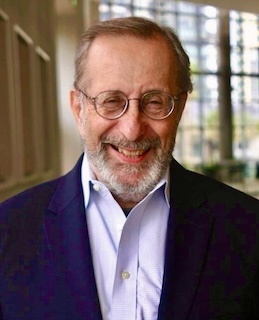
In this profound episode, I sit down with John DeDakis, an award‑winning novelist, journalist, and writing coach whose 45‑year career in journalism includes serving as a White House correspondent during Ronald Reagan’s presidency and working as an editor on CNN’s The Situation Room with Wolf Blitzer.
John shares his remarkable journey from witnessing a car‑train collision at age nine to channelling decades of grief into six traditionally published novels in the Lark Chadwick mystery series. His raw honesty about losing his sister to suicide and his son to a heroin overdose reveals how writing became his pathway to healing and helping others process their own pain.
This conversation is packed with wisdom for anyone who’s experienced loss, struggles with creative expression, or simply wants to understand how our earliest experiences continue to shape us throughout life. Whether you’re dealing with grief, seeking your creative voice, or looking to turn your pain into purpose, you’ll find valuable insights to help guide your journey.
Don’t miss this opportunity to learn how life’s most challenging moments can become catalysts for profound personal growth and service to others. Your pain doesn’t have to be meaningless – it can become the very thing that helps you connect with and heal others.
⭐ Key Takeaways
- How childhood experiences and family dynamics shape our approach to critical thinking and career choices
- The transformative power of writing as a tool for processing grief and finding meaning in loss
- Why moving toward pain rather than away from it can become your greatest source of strength
- The importance of curiosity and asking questions as a way of staying engaged with life
💥 From Journalism to Fiction
Discover how John:
- Transitioned from political aspirations to becoming a respected journalist covering the highest levels of government
- Taught himself fiction writing while working at CNN, creating a female protagonist despite having no experience as a woman
- Learned to write authentic female characters by listening to and learning from the women around him
🙏 Writing Through Grief
John reveals the deeply personal stories behind his novels:
- How witnessing tragedy as a child became the seed for his first published work
- The way his sister’s suicide unconsciously influenced every story he’s written
- Why he had to set aside his fourth novel about his son’s overdose for two years before he could complete it
🛠️ The Power of Vulnerability
Learn about John’s approach to helping others through their darkest moments:
- Why sharing your story without falling apart can help others feel less alone
- The difference between wallowing in grief and processing it healthily
- How men and women often handle emotional pain differently and why that matters
🔗 Connect with John DeDakis
- 🌐 Website: com
- 📘 Facebook: com/john.dedakis
- 📺 YouTube: mailto:youtube.com/@JohnDeDakis
- 📸 Instagram: com/dedakisjohn
- 💼 LinkedIn: com/in/john-dedakis-4b09a34
📬 Connect with Dwight Heck
- 🌐 Visit my website for resources and coaching: giveaheck.com
- 📘 Follow me on Facebook (Personal): facebook.com/dwight.heck
- 📺 Subscribe to my YouTube channel for episodes and video content: youtube.com/@giveaheck
- 📸 Join me on Instagram for daily insights: instagram.com/give.a.heck
- 🧵 Connect on Threads: threads.net/@give.a.heck
- 💼 Network with me on LinkedIn: linkedin.com/in/dwight-heck-65a90150
- 🎵 Watch my TikTok content: tiktok.com/@giveaheck
Apple Podcast:
Spotify Podcast:
YouTube Podcast:
🕒 Chapter Summaries
00:00:02 Introduction to John De Daikis: Award‑Winning Novelist and Former CNN Editor
Host Dwight Heck introduces John De Daikis, an accomplished journalist, novelist, and writing coach with 45 years in journalism, including time as a CNN editor and White House correspondent during Reagan’s presidency.
00:03:57 Origin Story: From Wisconsin Lawyer’s Son to Presidential Aspirations
John shares his privileged upbringing in La Crosse, Wisconsin, with lawyer father and teacher mother, revealing his early political ambitions and plan to become President of the United States before choosing journalism.
00:08:22 Political Awakening: Nixon Republicans and Civil Discourse
Discussion of John’s parents’ conservative but reasonable political views, their influence from WWII experiences, and how family political debates shaped his journalistic perspective and critical thinking skills.
00:13:36 Recognizing Privilege and Learning from Others’ Pain
John reflects on his fortunate upbringing compared to students with dysfunctional backgrounds, acknowledging how others transform pain into creative purpose and meaningful writing that helps others heal.
00:18:40 The Importance of Origin Stories in Understanding People
Exploration of how origin stories shape but don’t determine our paths, emphasizing the need to take responsibility for choices and find the intersection of passion and talent.
00:28:39 Writing as Cathartic Healing: From Grief to Fiction
John explains how writing became an unexpected outlet for processing grief, starting with witnessing a car‑train accident at age nine and his sister’s suicide, leading to his first novel.
00:32:01 Losing a Son: The Deepest Grief and Moving Toward Pain
John shares the devastating loss of his son to heroin overdose, the importance of grief counseling, and how “moving toward pain” became a guiding principle for healing.
00:36:10 Vulnerability and Connection: Helping Others Through Shared Loss
Discussion of how sharing personal grief experiences helps others feel less alone, breaking the stigma around addiction and suicide while providing hope for healing.
00:45:55 Writing as Therapy: Beyond Novels to Journaling and Creative Expression
John advocates for various forms of creative expression as healing tools, from 10‑minute journaling exercises to music and art, emphasizing the power of tapping into subconscious creativity.
00:54:48 Creating Lark Chadwick: Writing from a Female Perspective
John explains his decision to write from a female protagonist’s viewpoint, learning from women colleagues at CNN and discovering that emotions transcend gender while gaining deeper insights.
01:04:55 Enemies Domestic: Fiction Reflecting Political Reality
Discussion of John’s latest novel exploring post‑Roe America through his pregnant protagonist, written before current political events but eerily prescient about democratic threats and authoritarian tendencies.
01:14:22 Technology and Truth: AI, Social Media, and Modern Journalism Challenges
John’s perspective on AI and the internet as morally neutral tools, discussing the democratization of publishing, the need for editorial oversight, and the dangers of misinformation.
01:21:13 Legacy of Encouragement: Helping Others Reach Their Potential
John shares his ultimate goal of being an encourager, helping people discover their purpose, improve their craft, and live up to their potential through writing and mentorship.
Full Unedited Transcript:
[00:00:02 – 00:01:18]Welcome back to the Give a Heck podcast where we encourage you to live life on purpose and not by accident. I’m your host, Dwight Heck. Today’s guest is John de Daikis, award winning novelist, journalist and writing coach. John is a former editor on CNN’s the Situation Room with Wolf Blitzer and spent 45 years in journalism, including time as a White House correspondent during Ronald Reagan’s presidency. John is the author of six traditionally published novels in the Lark Chadwick mystery suspense thriller series, including his most recent, enemies Domestic, which won multiple book awards. His writing draws deeply from personal experience, weaving themes of journalism, grief and resilience into gripping political thrillers. Beyond his novels, John is a manuscript editor, one on one writing coach, podcaster, and keynote speaker. He inspires aspiring writers to find their voice and encourages those struggling with grief to use writing as a way to heal. Thank you, John for joining us today and agreeing to share some of your life journey.
[00:01:18 – 00:01:20]Thanks, Dwight. It’s good to be here.
[00:01:21 – 00:02:44]Yeah. I’m excited listeners that, you know, you’ve heard this before. People watching on YouTube. At the end of the day, the pre conversation is amazing, right? It was amazing. Buckle up, you’re gonna learn so much. The, the wisdom we get throughout life is, is taking on and taking action, making mistakes, turning them into life lessons and continuing to climb in life. And from reviewing John’s stuff and just going through it all again, buckle up, you’re going to learn a lot. This man has got so much wisdom and I’m just honored that he’s willing to share it with my listeners and most especially me. As the loyal listeners know, I’m the one, number one fan of my show and getting educated. So John, thank you for coming on. One of the things I always ask my guests about is our origins because I, I believe the beginnings shape everything in our lives and we discount it far too much, you know. So I believe when, that when listeners hear these early stories, they connect and they relate and they feel so much more grounded in the conversation. So can you do me a favor? Can you share me your origin story, your earliest recollections that you’re comfortable sharing to where you are today? And it can be as long as it needs to be.
[00:02:45 – 00:02:50]Well, I’ll do my best. I mean, I’m old so I’ll try to be my, do my best to be succinct.
[00:02:50 – 00:02:52]You’re seasoned, you’re, you’re not old.
[00:02:52 – 00:02:58]You know, we’re gonna have to stop for just a second because there’s speaking of phone tech.
[00:03:00 – 00:03:56]So John, one of the things I like to focus on as a person’s origin story, I think it’s not taken seriously enough that our earliest recollections, our earliest, you know, mentoring from our parents, whether it was directly or indirectly or this, you know, the people that we associate with, it affects our lives. Whether it’s, again, indirectly or directly, we. We pick up on it. And it does affect us moving forward in our lives. So one of the things I like to ask again is if you could please share me your origin story. You know, including your earliest recollections from childhood, whatever you feel comfortable with, your origin can be half the show. It wouldn’t matter to me because throughout that origin, we will pause. I’ll have questions. I might. You might finish a thought and I might ask you a question. So it reveals so much about us. So please do me a favor and share. Share me your origin story.
[00:03:57 – 00:04:49]Sure. I’m glad to. I was born in La Crosse, Wisconsin, right along the Mississippi river, which is Wisconsin’s west coast. I was very fortunate. My mom and dad loved each other and they loved me. My dad was a lawyer. My mom was an elementary school teacher. And it took me decades to realize that I was born on second base with at a time when a lot of people didn’t have the right to suit up, much less play the game. So I really came from a privileged background that I don’t think I appreciated fully until I got much older. I like to tell my writing students that life doesn’t turn out the way you expect. In journalism, it’s a story. In real life, often it’s a crisis, but in fiction, it’s a plot twist.
[00:04:49 – 00:04:50]And.
[00:04:50 – 00:06:20]And we all have plot twists. In my case, my plan was that my dad and I were going to go into practice together. I was going to practice law with him and then use the law as a stepping stone to get into politics. And so from probably when I was 13 to maybe 19 or 20, I was really serious about going not only into politics, but I was grooming myself to be President of the United States. I know that’s kind of megalomaniacal when you think about it, but for the good of the country, I decided to go in a different direction for reasons we can get into if you want. And I ended up going into journalism. And it was. It was a comfort zone for me. It was a good fit. And that’s what I did for 45 years and covered the White House, as you mentioned, when Reagan was president, worked at CNN for 25 years. But while I was at CNN, they made me an editor. I was a writer, I became an editor. And that was fault finding. It was, you know, I wasn’t creative and I needed a creative outlet. And so that’s when I taught myself how to write fiction. So by the time I Left CNN in 2013, my third novel was about to come out. And by this time I was already a one on one writing coach, a manuscript editor and, and was doing public speaking. And so when I retired, I basically had a second career to glide into.
[00:06:21 – 00:06:40]When, when you were younger, like you talked about, you know, wanting to be in partnership with your dad and eventually getting into politics, did you always have a passion or a thought process that you wanted to be a writer, that you wanted to be somebody that could share information, or did it just come about after the fact?
[00:06:41 – 00:08:02]I, I don’t think it, I don’t think it was conscious at the very beginning. I mean my, both my parents were very, you know, strong in terms of education. As I mentioned, my mom was a teacher. And so, you know, I was the, I was the victim of a lot of teachable moments and, and I was resistant to a lot of that as well. But you know, I also grew up around books. They had, you know, they were a member of the Book of the Month club. So books were around and so I was curious about. Wr. About, about books, but I don’t think I really styled myself or saw myself or even aspired to be a writer per se. I was much more interested in politics and public policy. And so that, and I mean, there’s still writing involved in that, but it’s not the cre. Of course people who know that I worked at CNN might say, well, you were making it up the whole time. But you know, I, that’s not a fair statement. Well, it’s not a fair statement and I disagree with it. But you know, it was just the facts writing, you know, it’s like what’s going on here? It is, I’m going to try to just distill it down to something that’s easily understood. And so that was the kind of writing that I did. But it had to do with, with the bigger, more historic and geopolitical importance.
[00:08:03 – 00:08:21]So with your mom being a teacher and your dad being a lawyer and you talk about all these teachable mom, who is the person that was the most politically engaged? Or was it both your parents? Did you hear conversations out loud or did as you age, did they have conversations with you about political.
[00:08:22 – 00:11:08]Yeah, that’s a great question. And I don’t get that nearly enough. They were Nixon Republicans. They were, you know, conservative. You know, they, they grew up and, and came of age and fell in love during the Great depression of the 1930s. And so frugality was a big part of the, their mindset. And so they were, you know, they were, they were, they were always conservatives. And, and yet they weren’t far right wing conservatives. They were reasonable. And I mean, my mom was a part of Women League of Women Voters, you know, and of course women didn’t get the right to vote in the United States until, you know, what, 1924 or something like that. So. But they weren’t, they were conservative, but they were reasonable and they were decent and they were open minded and they believed in civil discourse. I think that a lot of my dad’s political bent was, was influenced when he went to, to war in World War II to fight Hitler. And he became very aware of the, the way Hitler and Goebbels and Himmler, you know, how they manipulated public opinion with the. And so they were, they were. My parents were very skeptical of a lot of emotional political discourse, you know, using emotion as a way to, to, you know, move crowds because they were concerned that that’s how dictators, you know, get their start. That’s demagoguery. And so that was part of the discussion that we had. And of course, you know, during the Vietnam war, I was, you know, one of the reasons I went into journalism. I was a student at the University of Wisconsin in Madison during the 19, 1968 and 69 when the Vietnam war was a big deal. You know, 500000 U. S troops were over there, 200 kids a week were getting killed over there. And I would be in the dorms in the bull sessions arguing the right wing line of my parents. And, and then when I’d go home, I’d argue the left wing line I was hearing at alone. I was confused. And so I felt journalism was the good perch to sit on. And the more I learned and the more I began to think about it, the more I would argue with my parents about it. So we would then have arguments about politics because, you know, at first you kind of gravitate toward whatever the, you know, political line is that of your parents. But then I pushed back and we had, we had some really, you know, some major screaming matches. Although my mom used to say, john, we’re not arguing, we’re discussing.
[00:11:10 – 00:11:11]Her take on it. Right?
[00:11:12 – 00:11:13]These were arguments.
[00:11:15 – 00:12:20]That origin though, like again, we’re gonna, I’M gonna ask you a question about that in a moment. Your origin and you sharing, though, created who, you know, in many ways you became because you had, like you said, you, you had the, the belief system of the school, the belief system of your parents. You’d argue either or. Those were actually great situations. And people say, well, what do you mean? Well, that creates you to be a knowledge leader, a critical thinker, a person that’s willing to look at both sides. And now that makes so much sense why you went into journalism, because regardless of people’s opinion of cnn, everybody’s got an opinion about everything. And that today’s media is a lot more stuff slanted toward one political arena than another because billionaires own all these different media empires. And, and I, I don’t think it’s as good, in my opinion, as when it was you, your generation, doing the media. So. But it makes so, so much sense that your origin would direct you to be a journalist now. Right. Because.
[00:12:20 – 00:12:20]Yeah.
[00:12:20 – 00:12:41]You know, and that learned behavior, right, that we get from the modeling, we get from our families, it takes a lot of people way longer than you took to realize, like, listen, I need to get into something that’s factual. I need to. No more of this smoke and mirrors. So that was a great. I love that.
[00:12:42 – 00:13:36]Yeah, yeah, it was good. And, and you know, the more I teach writing, I come across people who had so much dysfunction and pain in their lives, you know, alcoholic parents, sexual abuse, you know, and so it took me a long time to realize just how good I had it with really decent parents. And, and, and yet I think that even though that make, that kind of, that dysfunctional upbringing can make it harder for a person, you know, many of the people I come across would come across have been able to mine that pain and find meaning and have been able to, you know, turn their lives around and, you know, give themselves purpose going forward. And so they’ve been able to use their creativity in a way that helps other people as well.
[00:13:36 – 00:14:30]Yeah. And, you know, I appreciate that you acknowledge your fact that you had a good upbringing. You know, you had some character building moments, challenges. You know, I get it with my parents too. Both my parents are still alive and they’re in their mid-80s and we still have conversations. My mom and dad were yin and yang, though, when it came to politics. They just were. And I kind of, my mom was my nurturer. My dad was a workaholic. So I got more of my mom’s liberal, moderate mindset than my dad’s conservative mindset. So when you talk about the fact, as I’ve aged now I’ve got that moderate mindset, I’m similar to what you were talking about, that you can, you can see the best of both. And you can. Right. And you can. You become a critical thinker and then educate around that. That’s your filter. And that’s.
[00:14:30 – 00:14:32]That’s my comfort. And that’s my comfort zone.
[00:14:32 – 00:14:48]Yeah, there’s nothing wrong with that. No, there’s nothing wrong with that. It’s. It’s when we identify who we are, we are meant to be the God’s goodness in us and that we’re going to serve through this vessel in this way, as long as it’s not morally apprehensive.
[00:14:49 – 00:14:49]Right.
[00:14:49 – 00:15:47]Good for you. Right. Sometimes we just have to. You know, I did a podcast here recently, a solo, you know, about moving the line in the sand. How many people, though, even like you, have a line in the sand in regards to the fact of your. Of what you’re comfortable with. There’s nothing wrong with that, but you are always moving that line in the sense that you’re on this podcast wanting to share information. And even though you, you’re very good and articulate and sharing information, with all the experiences you’ve had being a writer, you know, working within the CNN world, it’s still. You’re on the climb. Because if you weren’t on the climb at our ages, we’d be sitting back and just letting everything happen without us. But you’re still willing to share. You’re still willing to, you know, manipulate in a positive way, minds of people to think differently. So I’m. I just think it’s great. Thank you.
[00:15:47 – 00:15:58]Yeah, thank you. Well, I mean, just to clarify, I’m not trying to change minds so much as I’m trying to help people get clarity. Get clarity about where. Who they are and what they want to say.
[00:15:58 – 00:16:35]Yeah. Yeah. So, yeah, you’re right. You’re not changing minds. Poor choice of words. You’re trying to give them more food for thought. I still like that little phrase, food for thought to make us think. Right. If. If I’m so staunch on an opinion, I don’t know about you, about whatever it is, let’s say it’s something current in, in today’s world or something from the past. I. I’ve had to continue to develop, and I will till the day I take my last breath, the ability to look at it, set it aside and go, okay, this is uncomfortable. Let’s go look at the exact opposite side.
[00:16:35 – 00:16:36]Yeah.
[00:16:36 – 00:17:12]And, and listen to it and hear and. And hopefully I’m commute. I can communicate with people and ask them great questions because there are. There are people listening, watching. There is stupid questions. I’m sorry, right. When I hear that phrase that there’s no stupid questions. Absolutely there is. Right. Because people don’t think before they open their mouth and remove all doubt. Right. And you should think so. If I’m going to challenge somebody, I become a really good wordsmith. And I know you would be a really good wordsmith. And asking a question with a question is not bad if it’s asking for confirmation.
[00:17:13 – 00:17:16]Yeah, you know, help me understand. Yeah, exactly.
[00:17:16 – 00:18:03]Help me understand. And then it’s the tonality. Wouldn’t you agree on how we say what we. It’s not what we say, it’s how we say it. I raised my kids since you were little. I just had my son say that to me at 26 years of age. He said the date of the day to me, just literally this week. Dad, you always taught us, you know, it’s not what you say, it’s how you say it. Right. And I had another daughter taught me that in the last couple weeks. They remember those little lessons. And it’s a reminder to me that I always got to present in a kind fashion. I can get the same result if I notice body language changes, acknowledge it. Hey, John, I just said something and I noticed your body shift. Did I say something wrong? You know, just to have that further confirmation that, you know, that. That I’m not part of the problem. I want to be part of the conversation and the solution.
[00:18:03 – 00:18:04]Right.
[00:18:04 – 00:18:06]So, you know, what are your thoughts on that?
[00:18:07 – 00:18:09]Agreed. Next question.
[00:18:11 – 00:18:40]Perfect. So, last thing about origin. Right. Because, you know, I believe it’s so important. It’s myself. What is your opinion about the connection to the. Obviously sharing all these wonderful stories. You notice it, but do you talk about with people, do you believe that it’s something that needs to come up in conversation with people maybe you’ve just met or known for a long time to understand their origin, to have that personal connection?
[00:18:40 – 00:21:47]Oh, absolutely. I, I’m, I’m voraciously curious and probably, you know, a basic question I ask is, you know, what do you do? What’s your day job? Or, you know, what is it that animates you? What are you, you know, if you’re retired, what are you doing with your retirement? And it, it doesn’t take long for me to then go, you know, how did your life turn out based on what your expectations were you know, what did you want to do versus what, what did you end up doing and why did you make the transition? And I think that, you know, life is dynamic and so, and I, and I’m very much in agreement with you about the importance of origin stories, but they are not deterministic. You know, they’re, they are what they are. We have to start somewhere. And in many cases we are, you know, we’re sort of a blank slate. And we are then taught, and sometimes we’re taught not well. You know, we’re taught bad lessons. And so we have to, there may be things we need to unlearn or no matter what, there are things we need to apply. And so it’s, it’s always a matter of we come from somewhere, but where are we going? And as we get older and mature and learn more things, we begin to learn to take responsibility for our actions and our choices. And, and I think, and maybe you would agree that at least in a lot of cases, I come across, I did some teaching at the University of Maryland Journalism school, and you know, I’d come across people who, you know, were pressured by their parents to go into a career that paid well. But this isn’t what the kids passion was or what they were particularly good at. But they were trying to please their parents and they ended up becoming miserable because they made a lot of money, but they weren’t doing what they were good at or loved. And so, you know, I think that there comes a point where you need to become parents, need to let their kids become themselves. And kids need to have the freedom to find out who they are so that they can make choices that are right for them. Ultimately, what you want to do in figuring out what to do with your life is to find out what you’re good at and what you love. And when you can put those two things together, chances are you’ll probably make money doing it. Because we all need to make ends meet in order to be a functioning member of society. And so, you know, the goal is not to make a lot of money. It’s a, it’s to make enough money and to be able to enjoy life and to do it well and to bring whatever gifts and talents that are innate in our lives, bring that to the table, live our lives forward in a way that is satisfying to us and, and provides meaning and service to other people as well. I don’t know. Am I making any sense?
[00:21:47 – 00:22:16]Oh, it’s so much sense. People rewind and listen to that again right at the end of the day I know too many people, especially in my career, in the last 20, going on 25 years now, that will tell me they wish they would have done this. But, you know, they’re in their 60s. They did this job their whole life. They made good money, they really didn’t like it. And, and the discussion of their journey of life is sad, right? And they were always trying to please everybody.
[00:22:16 – 00:22:47]Here’s the thing, though, and maybe we’re getting ahead of the. Of the story, but, you know, one of the things I’ve learned is that people spend a lot of time regretting the past or, and, or fearing the future. And we’re no good in the moment, but it’s only the moment that we can control, you know, the past we can’t undo. We just can’t. The future isn’t here yet, but we can influence it by the choices we make in how effective we are in the moment.
[00:22:48 – 00:23:21]Oh, yeah, you took the words right out of my mouth. I just love this. This is such a great conversation. The journey is missed by so many people, John. It is just. It is sad. And I know some very, very wealthy people, just like you probably do that. They’re sitting back and they have all the accolades, they have all the materialistic stuff, but yet their kids aren’t very close to them or their family isn’t very close to them, or their significant other isn’t close to them because they, they gave up so much to get that what they perceived was success.
[00:23:22 – 00:23:34]And yet they can turn it around starting now, right now. You know, you don’t have. You don’t have to undo anything that, you know, any mistakes you made, whatever, learn from those.
[00:23:34 – 00:23:36]But it’s live the present.
[00:23:36 – 00:23:40]This moment is the fulcrum for the future.
[00:23:40 – 00:25:14]Absolutely. And, And I’ve sat with people and we’ve had that conversation and, and, oh, I’m too old to learn all dog, learn new tricks. Are you kidding me? You’re never too old to give a heck about your life and learn. I have. I have people that, like, listen to my podcast based on analytics. They’re in the 70s and 80s. Why? Because there’s hope. They have a little bit of hope in them that they can still learn and change and, and they don’t want to be stagnant. I think we’d always be a lot healthier if we constantly feed our brain, which is a giant computer, more and more solid information, more and more differing opinions, more and more appreciation of opinions, more and more of. Oh, my goodness, today was awesome. I did not Have a bad day. I had some challenging character building moments and I just didn’t discount the fact that this journey that I’m living is. I appreciate it. Right. You know, I had gratefulness about you before we even talked. And people go, well, what? My listeners know what I mean. I’m gonna have a great conversation. I’m so excited to have this podcast recording in between my other meetings with John today. I can’t wait. Thank you. Gratefulness. Gratefulness for the journey that even though that’s the. The is the future, because it hadn’t happened yet. The journey of today was already starting this morning. And I, and I said it to myself, and now the future’s here. And I’ve talked it into existence in this fact that my mindset is in the right place.
[00:25:14 – 00:25:27]You’ve given me a new term, anticipatory gratefulness. Often our gratitude is about what’s happened or whatever, but you’re anticipating things to be thankful for. That’s amazing. That’s a great concept.
[00:25:28 – 00:25:57]Oh, I just, I do it all the time. Like I, I was a guest on a show here recently and the guys in New Zealand, and it went live this week and I was listening back to it because he told me that he says, you said some really profound things. And I said to him, we were talking about the coaching I do and about never having a bad day. I’m going on to eight years without having a bad day. And people say that’s impossible. I said, no, it’s not. It’s a choice. It’s a choice. Do I have bad moments?
[00:25:58 – 00:25:58]Right?
[00:25:58 – 00:26:18]Absolutely. I have bad moments. But I’m not discounting the fact that God, let me open my eyes today and give me another shot. God, give me a roof over my head. I, I have conversations with myself in the morning when I have gratefulness. Thank you. It’s freezing cold outside. There’s people out there that don’t have what I have. I got a roof over my head. I got food in the fridge. I got people that love me.
[00:26:18 – 00:26:19]Yeah.
[00:26:19 – 00:27:20]And people that I love. Right. Just a little simple gratefulness, you know, like last night, it was at a Christmas concert for two of my grandkids. Right? And you know, I was so excited about it, but yet I was kind of, everybody’s going, the weather’s really bad. We got snowstorms going on, blah, blah, blah. And I’m thinking, there’s no way I’m missing that. I’m going to there to go and see them and it’s going to be great. And Guess what? It was great because I told myself I wasn’t going to let the little negativity in life hold me back from continuing to build memories. And, you know, gratefulness is. It takes effort. Awareness takes effort. Be aware. So if you’re somebody 70 thinking you can never change, somebody 80 thinking you ever change, I’m telling you, you can totally. You can change your mindset. Like John said, you can’t dial back what you. What you missed, but you still have the present, you still have the future to look forward to. You know, it’ll put a quicker spring in somebody’s step.
[00:27:20 – 00:27:21]Yeah.
[00:27:21 – 00:27:22]Yeah, right.
[00:27:22 – 00:27:23]Well said.
[00:27:23 – 00:28:39]Yes, I truly believe it. So we’re going to get into, you know, writing as a healing and cathartic and a craft. Right. We’re going to talk about this because I know I am nowhere in your league, but when I started writing my own story, just putting thoughts to paper was unexpectedly cathartic for me. I found it very cathartic. It helped me connect with both the good and the bad that I’ve lived. It helped me pat myself on the back. It helped me kick myself in the pants. Right. And it was just a reflection. It opened up doors inside of me. I know your. Your books are fiction, but based on some reality. Right. And we’ll get into the fact of you writing it in a feminine tone. And I even. I even chuckled when I seen that you put yourself in the hot seat with. It was five women. Yeah. I looked into you because I. I really want to know the people that are on my show, and I get to know them so first and firsthand. I understand how writing can be healing. When you began to write your novels, and even though it was fiction, but based on some reality and things that have gone on in your life, did you find it cathartic? What was your experience when. Because I know the first book took you a long time as well.
[00:28:40 – 00:30:52]Sure, it was cathartic. And yet I wasn’t seeking catharsis when I was writing. I just wanted to get published, and I needed a creative outlet. The first novel took 10 years to get the agent that I’ve got. She’s the 39th agent that I queried. And I think the manuscript went through, like, 14 major revisions. But I learned a lot from that experience. But the act of actually starting to write fiction, I look back now, the first one came out 20 years ago, and I look back and I realize that grief and loss have been a subtext for all of the stories. And, you know, it goes all the way back to when I was nine, when I witnessed a car train collision. And that actually became the impetus for Fast Track, the very first novel that I wrote. And I’m not writing about that accident, but it. There’s the spooky power of the subconscious, which is part of the creative process. And as I was beginning to teach myself how to write fiction, I was doing a writing exercise about a personal experience. I was writing the facts down about this accident that I witnessed. And as I was writing, I remembered a radio newscast that I’d heard 40 years earlier, a week after the accident, about a car train collision in which an infant survived. And I began to play what if. What if this kid grew up and wanted to find out more about her past? And so that’s really what started Fast Track. And coupled with that was my sister’s suicide. She took her life in 1980. I was on the scene that day. And so the very first scene is ripped from reality because you write what you know, and it’s. It. I found, in retrospect, I was processing my grief by writing about the experiences and putting them in the life of my female protagonist. And so I didn’t set out to write therapeutically or cathartically, but that’s an. It’s actually what ended up happening.
[00:30:53 – 00:30:57]Well, and it carried forward into every one of your books. Right? It created.
[00:30:57 – 00:30:58]Exactly.
[00:30:58 – 00:32:01]It created you to have an understanding and a realization, as you just mentioned, that initially it wasn’t your intent, but then it became a release mechanism. Whether it was done through a female protagonist or. Or whether it’s fiction, there’s always some grounded stuff that happened in our lives from. From your sister to. You know, and. And as well, you know, you also. For the people listening, your fourth novel, Bullet in the Chamber, deals with your son’s heroin overdose. Right. Which. Which, you know. How did that help you? Like, obviously, with your sister. But then now this is more personal. Obviously, losing a sister is horrible, but when it’s your child, it’s more personal. So leading up to that, obviously, you probably knew the challenges that your son was going through. And then, unfortunately, the overdose. Did you channel that immediately into your writing because of your past experiences? Like, tell me what you were going through?
[00:32:01 – 00:33:47]Yeah, not immediately, but I can see sort of an arc that was involved in my life that spilled into my writing, because when Georgia died, someone suggested that I should move toward the pain. And I didn’t understand what that meant at the time, even though I guess I was doing it, you know, when I started to do the writing, and. But I didn’t really understand the significance of that wisdom until my son went missing. He was missing for a week. I knew that it was not. I just had a hunch it was not going to end well because I knew by that time he was using heroin. I’d only known for about a month. And. And so when he met missing, I. I didn’t think it was going to turn out well, and it didn’t. He was found dead a week later in my car, dead at the wheel in a. In a leafy residential neighborhood in D.C. just a block and a half from where we lived. And I went through grief counseling during that time for about two and a half years. I started to write the Bullet in the Chamber, but it was too soon, and I had to set it aside for probably two years. But the grief counseling experience was very, very helpful in, in. Because it’s so staggering to lose a son. And so there was a lot to work through. And being able to work through it enabled me to write the fourth novel, which, again, it’s fictionalized, but it takes a lot of the. That happened around that time. And then I poured them into Lark Chadwick, my protagonist’s life. And so that was another way of processing it.
[00:33:48 – 00:34:12]And, you know, thank you for sharing that. I know it’s been a long time ago, but sorry for your loss. I do understand. I lost a granddaughter. It’s not the same as losing a son. She was only four years old. And it took. It took me on a tailspin, to be honest with you. It took me through a long period of time, time of grief. I don’t think we ever stop grieving. We just learn to accept changes.
[00:34:12 – 00:34:13]It changes.
[00:34:13 – 00:34:38]It changes us as a person. It makes us appreciate life even more to not have those bad days. Right. So thank you for sharing that. When. When your readers read your book. So Bullet in the Chamber. Do. Do your followers understand that there is some reality or some realness into what’s happening in your books? And. And have they reached out to you and said that it’s helped them?
[00:34:38 – 00:36:10]Yeah, in both cases. In, in, in, in. In the books, especially Bullet in the Chamber and Fast Track, you know, there’s an author’s note that basically explains where this is coming from. So it’s no surprise that it’s coming from a place of reality. And I do get feedback from people who appreciate the opportunity to, you know, go through or remember their own losses and maybe learn from it. And I. And it happens a lot when I do public speaking, people. I think for the first Time, in many cases, feel that they’re not alone and that, you know, addiction and suicide are highly stigmatized experiences that people don’t like to talk about. And so it intensifies our grief because we become isolated. You know, we feel no one understands or, you know, people will judge us or whatever. And, you know, if you want to judge me as a parent, get in line. I got there first. But I. The saving grace, and this is what something I’m grateful for, is that I can talk about it, and I can talk about it without falling apart all the time. I do fall apart. No problem with that. But by just being able to get that on the table and let people know that I understand, I think goes a long way in helping people process their own grief.
[00:36:10 – 00:36:55]Well, that’s back to what we were talking about earlier. I don’t know if it was before recording or during recording. My listeners have heard me say it many times. People don’t care what you know. They want to know how much you care. So when you’re sharing that and being vulnerable, whether it’s a forward or it’s something you put into the book, sharing that and being vulnerable doesn’t mean that we’re going to all of a sudden become bulletproof. It means that we care enough about that connection to others so that we can help them heal. You know, maybe. Maybe they decide to go get help because of that book. Maybe, maybe they’re that person that has that challenge, that addict addiction, because addictions are prevalent. Living in negativity is an addiction to people that are listening.
[00:36:55 – 00:37:50]Oh, man. And. And the thing is that I think guys especially have trouble with counseling. They have trouble talking about their emotions. You know, they have the trouble crying. I mean, women, I think, nail it. You know, they understand that crying is an emotional safety valve. And I. And I don’t mean to be casting a blanket or making, you know, blanket judgments on gender, because there are. There are plenty of exceptions. But, you know, in my experience, women are more willing to talk about their emotions. Guys are more likely to bottle it up. And if you think about it, just about every mass shooting is done by a guy. And my hunch is that most of the times there’s severe grief and loss and anger that’s all wrapped up in there to the point where the tears have become bullets.
[00:37:51 – 00:38:22]Oh, yeah. Wow. What a great way to put it. But you are correct. You know, learn behavior that modeling that we get as males, and it happens even with younger generations, because it’s a hamster wheel going to the next Generation, next generation. Little boys don’t, don’t cry. They’re their provider. They don’t do chores around the house. They don’t do this, do that. The women are supposed to all do that. And, and crying is a pressure relief that God give us to let go of that stress.
[00:38:23 – 00:38:24]I think. Absolutely.
[00:38:25 – 00:38:31]Right. I believe it was a gift. I believe it was something so that we wouldn’t, you know, explode.
[00:38:32 – 00:39:23]Absolutely. And I think, you know, to pick up on that. I think all, all emotions are God given, you know, and there’s no moral, there’s no moral right or wrong about an emotion. They just are. And it’s a matter of what you do with them, how you understand them, what they tell you about yourself. I think that’s where, that’s where good therapists come in because they can see us more objectively so that, you know, when my, when my grief counselor would say, well, how do you, how do you feel about that? You know, I feel like, how do you think I feel? But what she’s really getting me to do is to articulate it, to look at it more objectively so that I can understand myself, so that I can learn to live forward with the emotions that I’ve got and temper them.
[00:39:24 – 00:40:05]Oh, yeah. It’s talking to those people in my life that, you know, are supportive of what I’m going through, whatever emotional state it is. And, and not being judgmental has become more and more precious to me as I get older. And I found that many of the people that were poo pooing how I felt or, you know, just not really taking it serious, what I needed to communicate. Those people have left the season of life from me. Yeah, I’m looking for the, the seasons and the people in life that are going to be supportive, even if they don’t understand.
[00:40:06 – 00:40:06]Right.
[00:40:06 – 00:40:09]They, they’re supportive and then are inquisitive.
[00:40:11 – 00:40:45]I mean, and, and I think a lot of times, and you’ve probably experienced this too, people mean well, but they don’t necessarily know what to say. And so either they will clam up and move away and, you know, remove themselves from the situation, or they’ll, they’ll kind of go overboard in trying to be supportive and, and minimize the problem. Well, you still got two other kids or, you know, God needed them more or, you know, all this kind of stuff, which isn’t really helpful. What’s helpful is, you know, do you need to be heard? Do you need a hug or do you need to be helped?
[00:40:46 – 00:41:03]I love that. I, and the reason I Smile. And those watching can see it is because I tell people at all the time you need people in your tribe, in your life, that you’re. I guess, like, my kids will say, dad, you’re a ride or die. Right. Do you need me to listen? Am I perfect at it?
[00:41:03 – 00:41:03]No.
[00:41:03 – 00:41:09]But friends will do the same thing. And I have people that I know I can call or message. I just need you to listen.
[00:41:09 – 00:41:10]Yeah, right.
[00:41:10 – 00:41:41]Oh, I need you to listen and give advice. Right. I need you to. You know what I mean? I lay it out there, people, right. Sometimes that person isn’t looking for you to be the fixer, especially males. I was terrible for that, being a dad, wanting to fix. Even at their ages now, and the oldest is 39, youngest is 26. I still. I can’t fix their problems. So sometimes I need to bite my lip or the inside of my cheek and just go, listen, listen. This isn’t a time to respond.
[00:41:42 – 00:42:22]Yeah. And I think this is probably one of the reasons my wife and I are still married after 14 years, 47 years after, you know, going through the loss of our child, because that can doom a marriage. And somehow we learned that we weren’t going to be able to fix each other. We learned that we were going to be grieving differently, and we accepted that, and we both got our support elsewhere. You know, we. We still support each other. We still love each other. We’re still able to talk about Stephen. But, you know, we’ve learned, you know, what’s supportive and what’s not, and that has made all the difference.
[00:42:23 – 00:42:30]Yeah, of course. Yeah, that’s. And that’s great to hear. That realization is salvation, right? Oh, man. Because you can.
[00:42:31 – 00:42:36]You can do my marriage by saying, snap out of it or you’re not doing it right. Well, that’s not helpful.
[00:42:36 – 00:44:00]And. And you can do that to your people. You can do that to your own kids. You can do that to so many people. Discount. And you mean well, right? I just dealt with one of my good friends, her mom passing, and I went to the funeral a little over a week ago, and I said to her, when she come over to me and I give her a big hug, I said, you know, I really don’t know what to say, but I will tell you that however you need me to be, I’m here for you. Whatever support you need me to be, I’m here for you. And then we visited yesterday, and I told her the same thing. I said, I don’t want to be that person saying, oh, like you said, God needs Them more or oh, you have more. You know what I mean? That doesn’t help. And people are knee jerk responses because of what they hear in media. Television, movies, learn behavior, modeling behavior from family. And I’m not here to criticize anybody. I’m just saying there’s a reason that your knee jerk response response is to say some of that stuff. Sometimes just don’t open your mouth and remove all doubt. Just nod and smile and say, you know, the only thing you should be saying, how can I support you? Well, whatever way you need me to be, just a listening post, advice post, I’m here. Just tell me, let me know ahead of time what the rules of this conversation are right now. It’s okay to ask.
[00:44:00 – 00:44:47]When I went back to work after Stephen died and I was this on. In one day there. These are, these two interactions. I was on the, the metro, the subway in D.C. on my way to work, and a woman I worked with, I didn’t know her well, and she came and sat next to me and she said, well, it’s good to see that you’ve snapped out of it. And. And as she said it, she had this look of horror on her face, like, what have I just said? And I told her, you know, I, I haven’t snapped out of it, but I mean, thank you, you. Then I get to work and you know the writers I’m with, and there was a woman I worked with, fabulous writer, and she came around to my side of the desk and she said, I’m a word person and I’ve got no words. And she gave me a hug. It was, that was all, it was necessary.
[00:44:47 – 00:45:14]That is so sweet. Both. Both stories. Yeah, both stories happening at the same time. And, and you can be in the valley of despair and you can be at the top climbing up the mountain all at the same day. That’s why I tell people there’s no such thing as a bad day. Bad moments, character building moments, because they build character if you allow them to. Right.
[00:45:14 – 00:45:17]So sound like a dad. You sound like a dad now.
[00:45:18 – 00:45:55]Yeah. No, never, never experienced that. So in regards to writing, then obviously you believe it can be supportive to help people through their grief and, and just move forward in life. Not everybody can be a writer, but they can be a journaler. They can be somebody that writes their thoughts down. What, what are your thoughts in regards to? How people can utilize it? If they’re obviously, if they can write a book, great. If they can have the support, great. But writing as a cathartic process, just through journaling or beyond conversation.
[00:45:55 – 00:48:11]Sure. I wouldn’t even limit it to journaling. I think journaling is great if you’re, you know, so inclined. Many people aren’t. I am. I do it every day. And, and it is valuable to get your thoughts down there. It’s not for anybody else. You’re not writing to be fancy or for publication. You’re just. And one, one suggestion I’ll make if you have never journaled before would be, you know, tomorrow morning or tonight before bed or whenever it’s convenient, set your timer for 10 minutes and say. And start the sentence with today I. And then just keep writing and don’t pick up the pen. Just keep writing. You’re not writing to be fancy. You’re writing to tap into your subconscious. And that will either be the longest or the shortest 10 minutes of your life. Because what will happen is voices will show up, ideas will come to the fore that are just bubbling under the surface. It’s that spooky power of the unconscious. And that’s valuable for journaling, it’s valuable for storytelling. It’s, it’s what I do when I get stuck and I get writer’s block. I get my characters talking to each other and I just keep the fingers moving. But you can also do this when it comes to, you know, poetry is a, is. It can be a great outlet of, of being able to tap into emotions and put them into words. Painting, that’s much more non verbal. But, you know, create creativity. Music, you know, you can write music. Music can be instrumental if you pay, play an instrument, start to doodle with it and just, you know, honk around with it and see what shows up. But there are a lot of ways to process grief that are creative and they, and they become creative because they’re coming from this, what I call your reservoir of creativity that’s deep inside you. And it’s, and it’s, and it’s almost spooky and it’s transcendent because in many ways you’re possibly tapping into, you know, some sort of greater, you know, spiritual electricity that’s out there. I don’t want to get too woo woo about you about it, but I think that that can be a component of it, especially if you’re receptive to that possibility.
[00:48:12 – 00:48:42]Yeah, it’s. There are so many different things we can do. The only thing I’d want to ask one last thing before we move on. When people get into that grief mode and they, you know, they listen to music or they watch things that accentuate or, or you know, increase how they’re feeling. Do you think that’s healthy? Or should. Should we be avoiding that association if we’re in that frame of mind to not look or listen?
[00:48:42 – 00:50:08]A great. I’ve got a great story for that. Shortly. Shortly after Sten died, Cindy and I were in the car and a CD was on and the song came on and Cindy hit the button to advance it to the next track. And I said, why? Why did you do that? And she said, every time I hear that song, it makes me cry. As it turns out, it was the same song that when I heard it, I would hit repeat because it made me cry. Same song, same emotional reaction, different way of dealing with it. So the answer to your question is, I don’t know. It depends on the person, what’s helpful. And if this song makes you cry or makes you angry, fine. It’s tapping into something that’s deep and you’re processing it. Just because you’re angry doesn’t mean you need to go up and, you know, go out and shoot somebody. That’s not necessary. But it’s okay to feel anger, you know, or sadness or joy. As you remember, good times, melancholy. I mean, music is, it’s so. It’s universal and there’s. And it’s varied. I mean, just think of the different genres that are out there. Oh, yeah, Hip hop, jazz, pop. I mean, I’m just, just, just mentioning a couple of them, but they’re expressions, their way of expressing what it means to be human.
[00:50:09 – 00:50:16]Oh, myself. Oh, absolutely. For me, music and prayer have been my salvation.
[00:50:16 – 00:50:16]Yeah.
[00:50:17 – 00:51:00]Struggling as a. Struggling in a difficult marriage, to going through divorce, to going through the loss of my granddaughter. Music’s been front and center in my life because I can find the message that I want to listen to in a song. If I want to feel angst and I want to feel anger and I want to let it out sometimes that’s just the type of song I’ll put on. And then the next time it’s, no, I don’t want to feel like this. I’m going to put on something uplifting that’s, you know, religious based music, because I listened to a lot of that too. Plus I listen to today’s pop rock. I don’t listen to hip hop necessarily, but, you know, I, I listen to lots of different types of country. Country’s great for really getting into that.
[00:51:00 – 00:51:01]Great storytelling there.
[00:51:01 – 00:51:03]Oh, yeah. Like, come on, people.
[00:51:03 – 00:51:10]There’s a great country song. The title of it is take your tongue out of my mouth because I’M kissing you goodbye.
[00:51:12 – 00:51:50]That’s funny. I don’t know if I’ve heard of that one. But yeah, you know, so for me, for everybody, it’s like John said, wife, life felt this way. He felt this way about a song. It. There’s no right or wrong. I just wanted to bring it up because I really wanted your opinion about it and, and I got the answer. I figured I would. It’s to each their own what’s gonna work. I will say though, that if you’re now like eight, ten days into feeling depressed and all you’re watching is the sappiest movies and listening to the sappiest podcast and the sappiest music, time for a reality check.
[00:51:51 – 00:51:52]Yeah, I think so.
[00:51:52 – 00:51:53]And people get stuck.
[00:51:54 – 00:52:56]Exactly. And I think that, I think that people really have the capability of being self aware and it’s fine to wallow, I think. And yet, you know, yourself, you know, the contrast between the kind of person you were before the person died or before this loss and, you know, what you’re like now. And, and maybe for a while it felt good to feel bad, but you know, you are also enough of a responsible person to realize, well, okay, is this my future? I don’t want it to be my future. I have choice here. I can change, I can change, I can change the channel, I can change the record, I can go for a walk. I can change my reality to get a different perspective. I think you talked earlier about change and looking at things, you know, from a different perspective. And so I think that, you know, we can do a lot to recognize when we’re heading in a direction that’s no longer helpful.
[00:52:57 – 00:53:26]Yeah. And those listening or watching, if you, if this is that light bulb moment, that epiphany that you’re thinking, oh, I am. What Dwight was just saying and, and how John responded to it. Find somebody that can help you snap out of it. Like. Yeah, hopefully you have, you know, just decide today is the baby step you’re going to take to climb out of your grief, your depression, your anxiety. I’m not saying it’s easy. I’m saying you have to start somewhere.
[00:53:27 – 00:53:40]I like the fact that you talk baby steps because, you know, it’s not like you, you know, it’s, you know, apple trees don’t just go apples. It doesn’t happen that way, you know, Exactly. It takes a while. It’s a process. So one step at a time.
[00:53:40 – 00:54:47]Time, absolutely. So we’re going to get into a little bit more about your, your Lark Chadwick series, your Books and stuff. I want to discover some more information that I think it would be, you know, really good for people to hear so, you know, you can set up the stages of them wanting to, you know, devour your, your books. Because the more I talk to you about it, I think I’m not a huge fiction fan because I always believed in non fiction. But to talk to somebody that’s taken fiction, which is based on some reality, to help heal and to help others, just gives me a whole new perspective back to what we were talking about. Doesn’t matter. My age, I can have a different perspective and, and go and have that aha moment myself. So when you were doing this, these books, your protagonist, Lark Chadwick, is a strong willed young woman navigating journalism and, and personal challenges. Tell her, tell us about how that became. About what, what made you decide to do it in a feminine way as opposed to a masculine way.
[00:54:48 – 00:57:29]It was not calculated. But when I started writing, teaching myself how to write fiction, someone suggested that I should write in a way that stretches who I am. Since I’ve never been a woman, at least not in this life, I gave it a try and discovered that emotions are not, not gender specific. We all have the exact same emotions. It’s just that the women in my life were more willing to share them and they were more articulate about them. Plus, I was working at CNN surrounded by young women in their early to mid-20s who would let me ask them questions about what it’s like to be a woman. And they would tell me about their boyfriends, their careers, their families, their jobs. And I learned a lot by listening. There was one anchor I worked with, Gorgeous, and I asked her, what’s it like for guys to come on to you all the time? And she said, I can tell in the first 20 seconds if I’m safe. I never have to worry about being safe in a conversation with a woman. And that’s when I learned that one little nugget of being what it means to be a woman is playing defense. And so Lark just became a much more interesting person to me because I was finding that women, the women in my life, were fascinating. Especially because when I asked them questions, they shared their lives with me because I was listening. And when you’re listening, you’re learning. And so what ended up happening is that Lark is in many ways a lot like me. But she’s got a skirt on. Actually, she hates skirts. She likes jeans. So do I. So I can still, you know, kind of be myself, but I still had these Women who then became beta readers, they read early drafts to let me know am I getting it right or wrong, and, and how to get myself out of, you know, how to make Lark more authentic. So, and, and I think that’s you mentioned, you know, fiction, you know, is a stretch for you just because, you know, you need something more fact based. And yet what I strive to do in my writing is to make Lark real, to make her a relatable, realistic person, putting her in a career journalism that’s real. And so what I hope people will take away is they will. When they close the book, they’ll want to know, well, how’s Lark doing? What’s happening now? They’re still thinking about her. A and B, when they watch television or, or read a newspaper or read a news story, they’re going to understand a little bit better about what went on behind the scenes in order for that to happen.
[00:57:30 – 00:58:25]Wow. It, you know, and that’s so powerful, you know, that you were able to do that because based on, on, you know, time back in the day, most men would have been like, what are you doing? What are you asking those women questions for? Why do you care what they think? You’re the, you’re, you’re the man, you’re the guy. Why? What does it matter? So you just proved to me once more that you’re very open minded. You’re very, you know, you’re very much a good listener, but you’re willing to put yourself out of your comfort zone. And, yeah, you wouldn’t be successful if you, with any of what you’ve told me in life if you weren’t willing to put yourself out of your comfort zone, dialing it all the way back to being a lawyer, to getting into journalism, to, you know what I mean? Like, you’re constantly. You’re constantly evolving. Congratulations.
[00:58:25 – 00:59:50]But thank you for that. But I have to tell you that I am the original scaredy cat. I mean, I grew up with major fears. I mean, my mom could tell me if I wanted to do something, she could tell me 12 ways. It would kill me. And so I became very reticent to reach out and, and to be bold and all that kind of stuff. And, and so one of the classes I teach is how to face your writing fears. And one of the things I’ve discovered is that courage is fear in action. It’s not the absence of fear. It’s going forward anyway. Like the guys who stormed the beaches of Normandy During World War II, were they afraid? They were terrified, but they went forward anyway. They harnessed their fear and they went forward. And the, and the byproduct is courage. It’s, it’s, it’s the, it’s, it’s what enables a person to do something bold, do something vulnerable, do something that stretches them because they have experience doing fearful things, facing their fears and finding out that it wasn’t as bad as they thought. And that gives them the courage and the confidence to try again. And so it becomes, it’s, it’s like a breeder reactor. It, you know, confidence grows as you take risks, as you go forward and face your fears.
[00:59:50 – 01:00:31]Oh, yeah, I love that because, you know, we. We let fear control us so much. And I had to train myself now for more than a decade. I’d say maybe even longer. When I feel fearful, my brain automatically says, face everything and rise. Right? What is fear? Fear is something that I can face, right. And I can rise above it. Maybe I can’t do it on my own. Maybe there’s a timing issue. Maybe I need some support. But regardless, am I letting fear grip me, or am I boldly going where no man has gone before? Like William Shatner would say, right. In the old Star Trek days.
[01:00:32 – 01:01:32]I was giving a speech in Denver a couple of years ago and. And it was on facing your fear. And during the Q and A session, the person asked, so what? What frightens you now? And my flip answer was questions like that. But. But then I thought about it and I hadn’t really talked about my son’s death, so I did. And I said, once you’ve gone through the worst, then nothing else really compares to it. And if you’ve been able to survive something awful, then that does give you. It puts things in perspective. And so the little things that used to terrify me as a kid, not a big deal anymore. And that, that was sort of, I guess you could say, in a twisted way maybe that my son’s death was a silver lining. In that in some ways it gave me confidence to face life and face my vulnerabilities in spite of what had happened or maybe even because of what had happened.
[01:01:32 – 01:02:16]Wow. Because really, when I think about it, my evolution and change. I’ve been involved in doing personal development since 93, but my most awakening moments where, you know, you talked about being aware of stuff. And I don’t think it’s bad that you look at it that way. When my granddaughter passed away, right when she passed away in 2017, and I look back at the evolution of when did I stop having bad days, when did I Start. Stop having that camped mindset that I got stuck in. And when was I climbing again? When was I. When did I stop letting fear grip me and having that boohoo woohoo and allowing myself to stay trapped. It all happened.
[01:02:16 – 01:02:18]You didn’t discover it until you looked back and.
[01:02:18 – 01:02:19]Yes.
[01:02:19 – 01:02:20]And saw the changes. Right.
[01:02:20 – 01:02:32]But I had that trigger. Just like you with your son. I had that trigger. Whether that realization was immediate, it was not immediate. It took. It took time. But it was self reflection.
[01:02:32 – 01:02:33]Yeah.
[01:02:33 – 01:03:01]And it was constantly growing my six inches between my ears through reading. Right. Audiobooks, podcasts. Right. To list. And. And realizing them. Being aware that I had toxic people in my life that I needed to exit stage. Right. Right. See you later. Right. So I appreciate you sharing that. There’s nothing wrong with you. You admitting that. Because I have to admit it myself. My biggest evolution was from loss.
[01:03:02 – 01:03:02]Right.
[01:03:02 – 01:04:09]Right. And. And probably was one of the biggest reasons when I decided to write my book. Book. And, and part of the forward. Part of the. The acknowledgment at the beginning is about her and her passing and, and just the fact that life’s in session. This isn’t a dress rehearsal. I gotta give a heck about myself. I gotta give a heck about others. And it’s my legal last name. Let’s create a brand that showcases everybody. Right? Showcases everybody. Including becoming a better, better dad, a better son, a better, you know, just a better everything. Better cli. Better client to others, a better person that serves clients, a better communicator, a better listener. It’s just. Yeah. Wow. Thank you for that. It just made me realize how impactful the loss was to me. And it’s no disrespect to my granddaughter’s memory to Freya. It just, it. It literally. God took her, but left behind something that I needed to. To understand. And it just took me a few years to get to that point.
[01:04:09 – 01:04:11]That’s right. Yep. Wow.
[01:04:11 – 01:04:25]Right. So thank you. I appreciate you. Yes. Thanks. So. So let’s talk about. Because you didn’t have a hard stop. So I got a bunch more questions I’m going to ask you, if you don’t mind.
[01:04:26 – 01:04:27]Click, click, click, click.
[01:04:30 – 01:04:54]So Enemies Domestic is reflected today on like a polarized political climate. Obviously, I haven’t read any of your books as of yet. What message was that book meant to portray? Like, obviously it’s fiction based, but there’s reality in there. What would you expect, people, because that’s one of your latest takes, would you expect was the outcome of that book?
[01:04:55 – 01:08:03]Well, I didn’t write it to send a message, but I did want to explore what life would be like in the United States in a post Roe v. Wade era when and my wife and I have coffee every morning. And when the Supreme Court overturned The decision in 1973 that legalized abortion, we began talking about, you know, what it’s going to be like. And my protagonist at the end of Fake, which is my fifth novel, is pregnant. Lark is pregnant at the end of Fake. I’m giving something away. And so I already had a character who had a life that could certainly I could put her in a situation of what’s it going to be like for her? And so she had been White House pre. A White House correspondent, which is some of something that I did in my past. And so in book six, Enemies Domestic, the the title is taken from the oath of office. U.S. officials take an oath to protect the Constitution or defend the Constitution against all enemies, foreign and domestic. And so in Enemies Domestic, Lark is White House press secretary. It’s her first day on the job. She’s pregnant. The dad is dead. She’s ambivalent about becoming a single mom. But abortion is a crime. It might be a crime nationwide at some point. And the first question she’s asked in the daily briefing comes from a Tucker Carlson type who asks, are you or are you not planning to abort your unborn child? Well, this is a private, personal decision that has now become public because against her will, Lark is forced to make this abort or not to abort decision in the middle of this highly toxic and polarized political fishbowl. And as it turns out, a dictator becomes president. And so I wrote it way back in 2000, I think I started writing it in 2022. It became. It was published 7-4-20, during the presidential election, the same week that the U.S. supreme Court ruled that presidents have absolute immunity from criminal prosecution for crimes they commit while in office as part of their official duties. We don’t know yet what they meant by official duties, but we are now living a lot of the reality that a lot of what I wrote about in Enemy’s Domestic, you know, it’s happening now. We have a dictator who’s president or wannabe dictator in this country. He’s talking about, you know, putting military officials on trial for, you know, what they consider what he considers treason. You know, that’s the kind of stuff that’s playing out in Enemies Domestic years before this became reality. So it’s. I. If it’s anything, it’s a cautionary tale.
[01:08:04 – 01:08:51]Yeah. There’s so many cautionary tales. I look at Napoleon Hill’s book that he wrote back in the 30s that only came out in about 2011, outwitting the devil. I don’t know if you’re familiar with the book. One of my favorites. I listened to the audio version and here’s why. It has a voice for the devil and a voice for the. The author that’s interviewing the devil. And it would scare you how accurate that book is about health care, government, schools, everything. And it blew me away. They didn’t publish it back in the 30s because they were afraid to get killed because it was that polarizing.
[01:08:51 – 01:08:52]And what’s the title again?
[01:08:52 – 01:08:59]Outwitting the Devil. Okay. By Napoleon Hill. Napoleon Hills, Renowned.
[01:08:59 – 01:09:05]A little. Sounds a little like. It sounds a little like Screwtape Letters. You know, the C.S. lewis book, which is.
[01:09:05 – 01:09:05]Oh, okay.
[01:09:05 – 01:09:10]Letters from a Senior devil to a Junior devil on how to corrupt someone.
[01:09:10 – 01:10:10]Yeah. So I. I think you’d enjoy it. The reason I recommend the audio version is because you. You don’t have to have the two different voices. Voices in your head. You’re actually hearing them. And I was enthralled by it. I’ve recommended it to hundreds of people, and I. It’s still one of my favorite books that I’ve listened to in the last decade. Like, literally, for. For how. And. And thank goodness his family allowed it to be released. And a lady by the name of Sharon Lecter helped get the book released. Right. And she has little snippets within. If you listen to the audiobook book, she has little snippets where she explains things in more detail. Right. And how. And how it ties into today. And it’s just. It was. Anyway, I digress. I just thought I’d mention it, that. That it’s a really good book and. And how your book ties into things that are happening. That book was written in the 30s, and it ties into stuff today. Right. It’s just so.
[01:10:10 – 01:10:13]Well, there was a lot of stuff going down in the 30s, too.
[01:10:13 – 01:10:18]Oh, absolutely. But he was afraid to publish it. And the manuscript got stuck away in a box.
[01:10:19 – 01:10:19]Yeah.
[01:10:19 – 01:11:20]And it wasn’t discovered for me. They talk about the story. Sharon talks about it and stuff in the audio part of it, but it was one. It’s so impactful, and I can go on and on. There’s so many impactful books. But I like the fact that your book talks about, you know, stuff that is now happening. Not that I’m happy it’s happening, but that we can write about things in a way that’s fictional, but that there’s so much truth and reality into it. Right. And I do know what you. I do follow American politics, especially in my industry. I have to because people want to have conversations about it. And I need to be educated quotes for those listening, watching you seen it, I got to be educated to give an educated answer which is still based on my emotional iq, which is still based on a filter. But you know, it’s sad that, you know, trying to think of his name now that, that general, the guy that was in space and, and has been very.
[01:11:21 – 01:11:22]Kelly, Mark Kelly.
[01:11:22 – 01:11:32]Yes. And how they want to, you know, he’s being called a treasonous traitor and all that stuff. You know, he’s speaking his truth, but his truth has substance.
[01:11:32 – 01:11:37]Well, he’s, all he’s doing is saying don’t obey unlawful orders.
[01:11:37 – 01:11:38]That’s exactly it.
[01:11:38 – 01:11:44]That’s. I mean, I was, went through basic training. They taught us that in basic training. Now he’s being court martialed for it.
[01:11:44 – 01:12:35]Yeah, good luck, Good luck with that. You know, but anyway, we won’t get us into a political situation. I just, I, I’ve listened to some of this stuff and I feel for the American people that are supporting him and the people bashing him. Shame on you. The guy fought for your country. Your freedoms were because of people like him. His exploration into space and everything that he’s done. Give him some respect and listen to what he says. There’s value in it. And I’m a Canadian listening to him. And I’m not saying I pick one side or the other because I don’t want to get into that, that. But I do know that success or wisdom leaves obvious clues and what that man has done was obvious clues that he deserves the right to say stuff like that.
[01:12:35 – 01:12:36]You earned the right to be heard.
[01:12:36 – 01:13:01]Yeah. Yes, absolutely. Just like you, you’ve earned the right to be heard. So, so. And let’s move on. Oh, I guess one question though. Does a person, if a person started with, let’s say chamber and didn’t start with the first book, are they going to be confused or do you always have an account like encapsulated Review so that they can.
[01:13:01 – 01:13:30]Yeah. You don’t have, you don’t have to read them in order. And I don’t, I’m, I don’t spend a lot of time, you know, giving backstory, you know, of what preceded. I mean if you, you can pick it up anywhere and know something happened and you’ll want to know A little bit more about how it happened and, and all of that. And it, and it of course, is meant to propel you forward as well. But you can start with the last one, you can start with the middle one. Doesn’t matter.
[01:13:31 – 01:13:41]That’s. Thank you. I just wanted to make sure, because so many people think that a series based on a specific protagonist character that they have to start at number one.
[01:13:41 – 01:13:55]Well, think of it this way. Think of Star Wars. I mean, the prequel of Star wars didn’t come out until decades after, you know, the original came out because people wanted to know, ah, how did this happen? Well, there’s a story about that and.
[01:13:55 – 01:13:57]I’m an origin guy, so I love that.
[01:13:57 – 01:13:58]Yeah, exactly.
[01:14:00 – 01:14:21]Right. So what’s your opinion in today in regards to technology, social media, artificial intelligence? Give me your take on, take on that. Because, you know, especially with somebody that’s, with as much wisdom and, and as much learned life. Right. What is your take on.
[01:14:22 – 01:17:55]Thank you. You give me more credit than I deserve. But I do have a couple of, of opinions. One is AI and the Internet are morally neutral. It’s what you do with it. It’s the people that get involved. And that’s where the problem is. Journalism has evolved significantly over the years, often because of technological advances. We are now at a point where anyone with a cell phone is a publisher. When you hit send, when you hit post, you’re, you’ve published, but there’s no editor sitting on your shoulder going, where’d you get that? How do you know that’s true? Which are the questions that are asked of any reputable journalist at a news organization that, that is, that has integrity. And so because of the Internet, we are now awash in both. It’s, it’s, it’s, it’s possible to find enlightening speed, you know, answers to questions, facts that will, you know, help you understand the world. But it’s also possible to go down conspiracy theory rabbit holes and it’s just a matter of being discerning about where you get your information and is it trustworthy, worthy. So there’s that AI again. It’s morally neutral. It’s what you do with it. It’s here to stay. It has tremendous power for good and ill. It can be a great research tool. It can take complex ideas and synthesize it, organize it, analyze it. It can, it can do all of those things. It can write a novel. The novel will suck, but it can write a novel, but it doesn’t know you as intimately as you do. Consequently, your Novel will probably be better because it’s coming from a place of authenticity. It can be terribly manipulated to create what they call deep fakes. You know, images and audio that can make a person say what they didn’t say and do what they didn’t do in a way that can manipulate an entire society into believing that a candidate or a person did something that they didn’t do. Not to mention the fact that AI takes up tremendous resources in order for it to even operate. You know, it, it’s, it’s a major suck on the environment because of all the electricity that is required. And there are these vast data farms that require so much re. So many resources in order to function. So it, And I’m hoping that maybe, you know, there’ll be scientific advances that will make it less needful for there to be that much, that many natural resources that are used to create it. But, you know, it’s here to stay. We need to be aware of it. It’s the Wild west right now. It’s unregulated. There are lawsuits that are alleging that copyrighted material is being used to train AI. You know, that’s basically theft of material that wasn’t paid for, that was created and is now used in being used. And so there are a lot of problems with AI, but there are a lot of strengths that it has too. So I’m, I’m an agnostic when it comes to, you know, where we are.
[01:17:56 – 01:18:43]Yeah, I love that how you broke it down. Social media, for those people listening, is based on algorithms. When you are start letting it know who you are, it’s only going to show what you want to be or what you want to, what you think you want to be or what you, you know, confirmation bias is huge. AI is the same way. I like how you put that. The questions you ask it. If you ask it a certain way, it’s going to, whether or not it’s, it’s a blank canvas, it’s going to give you what you want. It still does the same thing. I use AI quite a few years now. Right. And I, and I’m very skeptical of it because it’ll all of a sudden do things that it shouldn’t do or it’ll give me. And I’ll say to it, that’s not what I meant.
[01:18:43 – 01:18:43]Right.
[01:18:43 – 01:18:47]Well, it doesn’t hear me. It only interprets what I type.
[01:18:47 – 01:19:13]And, and that’s one of the things that really troubles me because there are now teenagers that are using, you know, AI chatbots to be counselors, to be Therapists to be friends. Friends. And there are instances where this supposed friend, this AI bot has convinced them that they need to commit suicide. And so that’s a tremendous danger of, of AI and a misuse of it.
[01:19:13 – 01:20:39]Well, and you talked about AI and, and the amount of resources it takes. Like IBM just announced or is it Microsoft, one of the two big, big boys in, in the DAO there announced that they’re building a five billion dollar data center just northern Alberta here. And that’s not the first one. Kevin o’ Leary and a bunch of we, even though he’s a facade Canadian, he’s really, he may have been born here, but he’s more of an American. He talked about the fact he’s working with some companies to do the same thing either in Alberta or Ontario because we have a lot more renewable resource energy in Canada than the U.S. does. I’m just being honest people. You can research it, right? We have, yes, we have non renewable resources. Alberta is an energy province. We’re like Texas. We were very energy slanted but we also have a lot of natural gas. We have cleaner energy that can be burned. That’s non renewable. That is more appealing. But AI like to spend that farm they talked about they’re going to have to redo a whole grid in northern Alberta just to be able to support that. Well, right. And, and it’s, it, it’s the way of the future. We don’t have a choice, but we need to utilize and harness it for good. And these algorithms are already bad enough on social media. Right. That they feed people the negativity and.
[01:20:39 – 01:20:43]And they don’t garbage. Garbage out. Garbage out.
[01:20:43 – 01:21:12]Yeah. Confirmation bias is huge. So thank you for sharing that. Talk a little bit about this is the last thing we’re going to talk and then I’m going to wrap up some of the show here. You’re you, you become a mentor, you talk about it, you’ve, you’ve taught about writing and, and you know, and obviously helping people with their voice and navigating through grief. What legacy do you hope your work leaves behind?
[01:21:13 – 01:22:06]Overall, boy, I, and I want to thank people for sticking around. You know, it’s, it’s. I always, I get sick of hearing myself talk, so I don’t. Well, thank you. So what, what my legacy, man. I think here’s what motivates me and that is I want to be an encourager. I want to be able to encourage people to live up to their potential, to do what they feel they were created to do, to do what they Love to help them get better at doing what they love and, and to just affirm them along the way. That’s. That’s my goal. I mean, that’s, that’s what motivates me. And so I guess that’s what I hope my legacy is. People left behind who felt that I had some sort of a positive, encouraging impact on their life.
[01:22:08 – 01:22:48]Wow, that’s awesome. And, you know, that’s the same thing with legacy for me. That’s why I’ve done so many different things. And at the end of the day, I’ve left that imprint on the world. Even if I’m gone. Right. My legacy is encouragement, kindness, giving a heck about one another, making a difference. Maybe four or five generations from now, people that have helped out with their finance or their life skills, somebody back then I’ll go, oh, you know, great, great, great, whatever said to this about this person, how it made a difference. And you know what I mean, I don’t even have to be recognized. I don’t even have to know my name. But all I want to know is.
[01:22:48 – 01:23:10]That, yeah, we’ll never know the impact that we have, but it has a ripple effect for good or ill. I mean, I think that it’s true when, you know, if you’re a jerk as well. But yeah, you know, but it’s, it’s. You want that to live on and to go on, be into multiple generations. You know, one person can encourage another.
[01:23:11 – 01:23:34]Absolutely. So the last, the last of two questions. So you say it is for sure. I know from my own life that giving a heck means refusing to quit even when odds are stacked against us. John, what does giving a heck mean to you personally? And what message would you, would you share with those that feel like giving up?
[01:23:37 – 01:24:17]Giving a heck. I like that. What it means, I think, is being curious. I think it means being curious about the world around you. It means being curious about the people around you, and it means being curious about yourself. Asking questions, you know, the who, where, what, when, why and how. You know, they help me understand the. You know, it’s those kinds of questions that make life worth living. And, and that’s what it means to me is, is to be engaged like that in as. As long as I can.
[01:24:18 – 01:24:22]What a great message. Be inquisitive people. Right?
[01:24:23 – 01:24:23]Yep.
[01:24:24 – 01:24:30]Keep on moving on. So what’s the best way that people can reach you and find your books?
[01:24:30 – 01:24:32]Obviously, a question I know the answer to.
[01:24:34 – 01:24:50]I’ll put. Make sure this goes in for the new listeners and viewers. Go to giveaheck. Dot com podcast tab. You will see a picture of John and you’ll see detailed show notes. I’m very specific about it. Chapter summaries, all his links and everything. So don’t pull over. You don’t need to.
[01:24:50 – 01:24:58]Are you using driving. Are you using AI to create those, those talking points, the, the show notes part of it?
[01:24:58 – 01:25:01]I do, yes, I do actually, because.
[01:25:01 – 01:25:02]That’S a good way to do it.
[01:25:02 – 01:25:24]I have a service that I’ve utilized. I fired my show note writer. I had a person hired to do it and I didn’t find they put enough effort into it. So I tell. And that’s a great question. I do use AI to do the show notes and, and the chapter summaries because there’s no possible, possible way I’d have enough time in my day to go through and write chapter summaries for an hour and 30 minute podcast.
[01:25:24 – 01:25:25]Exactly, exactly.
[01:25:26 – 01:25:27]It’s a tool, though. It’s not my life.
[01:25:27 – 01:25:31]It’s a tool. Yeah, exactly. Okay, I’m sorry to interrupt.
[01:25:31 – 01:25:35]That’s. No, no, that’s fine. So tell me how to people can get a hold of you.
[01:25:35 – 01:26:18]They can get a hold of me through my website, which ismyname.com. and since it’s a tricky Greek name, I’ll spell it. It’s J O, H N D as in dog, E D as in dog, A K I S as in Sam. John dedicus.com. you can find my books there, my upcoming events, the classes that I teach, a lot of them online retreats that I lead. You can book me to keynote your conference on writing as a way to heal. I’m a manuscript editor, a writing coach, and all the pages have portals so that you can send me an email.
[01:26:19 – 01:26:41]Right on. Again. Give a Heck.com listeners, viewers, those new to the show, go check it out. I also have the full unedited transcript there as well. Some people do like to read and so I, I give them the full unedited transcript. But thank you so much for coming on to the show. Any last final words before I wrap up?
[01:26:41 – 01:27:14]Up. Thank you, Dwight. This has been an absolute joy. I mean, I so appreciate your curiosity. I appreciate what you’re doing. I think we clicked because we are on the same page. You know, we do care about other people. We care about self improvement and I think your podcast is, you know, a great service that you’re providing to other people, you know, no matter whether you had me on or not. And I appreciate, you know, the platform and the opportunity to talk to you and whoever who you know that. Both of you who are listening.
[01:27:16 – 01:28:18]Thank you so much. I appreciate you. So as we wrap up today’s episode, I want to leave you with something John reminded us of. Our origins matter. The earliest recollections we carry with us are not just memories. They are threads that shape our resilience, our creativity and our purpose. John’s journey shows that writing can be cathartic but also requires persistence. 10 years, 14 drafts, 39 agents, queries that taught him resilience. His novels reveal how grief can be transformed into story. His coaching shows that mistakes can be corrected with guidance. And his podcast, which we never had a chance to get into, check it out. Sorry listeners, demonstrates the power of conversation to connect and heal. So wherever you are right now, whether you’re stuck searching or soaring, remember to look back at your beginnings. They hold clues to your strength and your story. And remember, it is never too late in life to keep giving a heck.